

Image: TechCrunch
Uber is making a bold move into autonomous vehicles with a $300 million deal with Rivian. What does this mean for the future of transportation?
GlipzoIn a surprising turn of events, Uber is making significant strides in the realm of autonomous vehicles (AVs), reigniting interest in the company's future in this competitive sector. The ride-hailing giant, which previously divested its in-house autonomous vehicle development unit, Uber ATG, in 2020, is now rapidly expanding its reach in the autonomous transport market. By establishing a network of partnerships with various technology firms, Uber aims to integrate cutting-edge AV solutions into its services, cementing its position as a leader in the evolving landscape of transportation.
Despite offloading several ambitious projects, Uber has retained an equity stake in its former ventures while refocusing on its core operations of ride-hailing and food delivery. Over the past two years, the company has been busy forging collaborations with numerous AV technology providers, spanning areas such as delivery services, drones, trucking, and even robotaxis. Notably, Uber has expanded its global collaboration strategy, striking deals with Chinese firms to launch robotaxi services in Europe and the Middle East, alongside partnerships with innovative startups like Wayve from the U.K.
The latest significant partnership involves Rivian, a prominent electric vehicle manufacturer. Under the terms of a newly announced agreement, Uber will invest $300 million into Rivian and, in return, the company will acquire 10,000 fully autonomous R2 robotaxis. This ambitious rollout is slated for 2028, focusing on key urban markets like San Francisco and Miami. Furthermore, Uber has the option to purchase an additional 40,000 robotaxis starting in 2030, ensuring an exclusive fleet operating within its app.
This deal, potentially worth up to $1.25 billion, underscores Uber's strategic pivot towards embracing autonomous technology in a more substantial way. However, the initial investment is relatively modest, with the financial risk primarily resting on Rivian's ability to deliver the promised technology. This partnership marks a unique scenario where Uber not only invests but also aligns with a manufacturer that will develop both the self-driving system and the vehicles themselves.
Despite the potential for a lucrative partnership, Rivian faces significant hurdles ahead. The company has not yet commenced production of the R2 SUV, nor has it successfully tested a self-driving system specifically designed for robotaxi operations. Compounding these challenges, the R2 vehicle is set to be manufactured at Rivian’s new factory in Georgia, which is still under construction. Rivian has already indicated that it will not meet its profitability targets by 2027, primarily due to the substantial expenditures required for its autonomous initiatives, raising concerns about the feasibility of these ambitious plans.
In a recent newsletter poll, we asked readers if they believe the risks for Rivian are too high given these circumstances. This feedback is crucial as it reflects the sentiment surrounding the viability of such high-stakes investments in the AV sector.
Interestingly, reports suggest that Uber and Rivian have been in discussions regarding this partnership for an extended period. Sources familiar with the negotiations indicated that the formation of such a deal is not something that occurs overnight. One insider noted, “Does RJ Scaringe, Rivian’s CEO, strike you as someone with a short-term strategic vision?” This remark highlights the long-term planning that both companies are likely employing as they navigate the complexities of the AV market.
In a parallel development, Nvidia is also making waves in the autonomous vehicle space. The tech giant recently announced a series of strategic partnerships with major automakers during its GTC conference. Companies like BYD, Geely, Hyundai, and Nissan are now collaborating with Nvidia to leverage the Nvidia Drive Hyperion platform for their autonomous vehicle development.
Nvidia’s CEO, Jensen Huang, emphasized the significance of this moment, stating, “The ChatGPT moment of self-driving cars has arrived. We now know we could successfully autonomously drive cars.” This statement reflects the growing confidence within the industry regarding the potential for fully autonomous vehicles.
As Uber and Rivian embark on this groundbreaking journey, the implications for the future of transportation are profound. With the combination of Uber's vast ride-hailing network and Rivian’s electric vehicle innovation, the potential for creating a new standard in urban mobility is significant. However, the road ahead is fraught with uncertainty and challenges, particularly as Rivian navigates its production and technology hurdles.
The outcomes of these partnerships could reshape urban transportation, influencing how we think about mobility in densely populated areas. As autonomous vehicles become more prevalent, they could lead to reduced traffic congestion, lower emissions, and a shift in how people interact with transportation services.
Moving forward, it will be crucial to monitor the progress of Rivian in developing its R2 robotaxi and the effectiveness of the partnership with Uber. Additionally, observers should keep an eye on Nvidia's growing influence in the AV sector and how its collaborations with established automakers evolve. As the autonomous vehicle market continues to unfold, the interplay between these companies will be pivotal in determining the future landscape of transportation.
Stay tuned for more updates on this evolving story and other developments in the world of mobility.
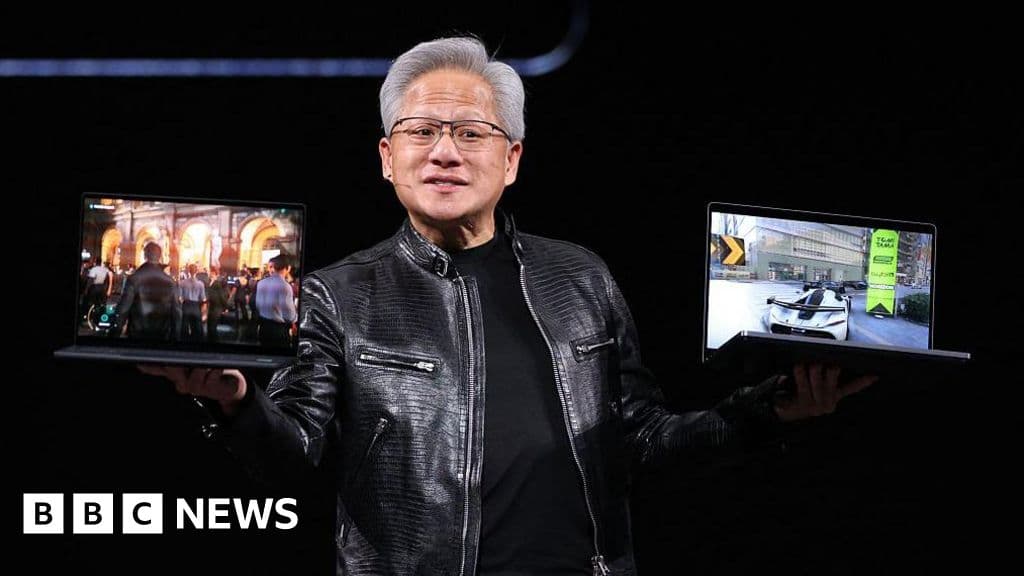
Nvidia's new RTX Spark chip aims to transform personal computing with AI, marking a significant shift in technology. Discover what this means for consumers.
BBC Business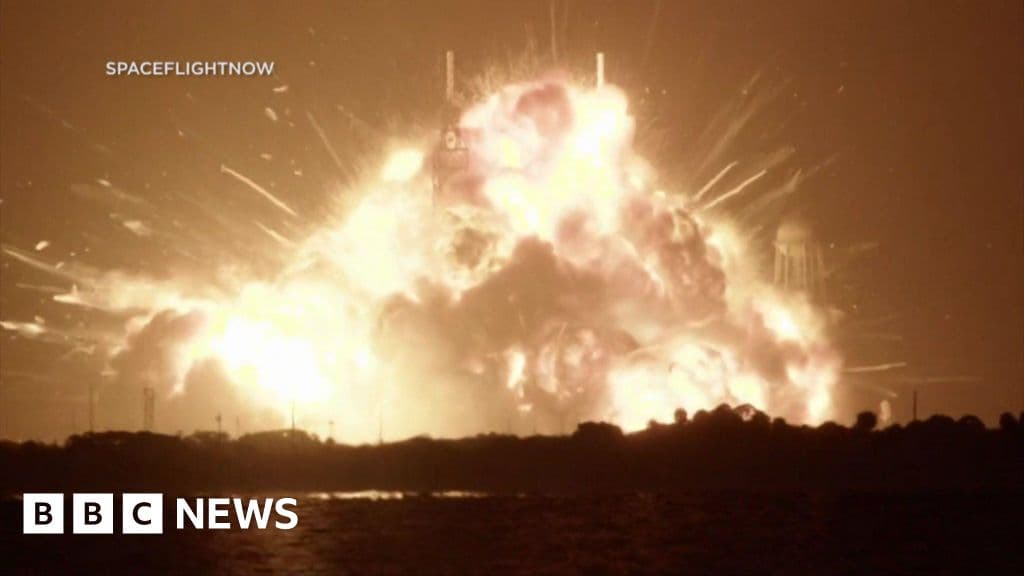
The explosion of Blue Origin's New Glenn rocket raises significant concerns over NASA's lunar ambitions and the future of Amazon's satellite projects. Discover the implications.
BBC Science
Discover how Meta's lack of engagement on user bans raises critical concerns about accountability and transparency in social media governance.
BBC Technology