
Image: Indian Express
Discover the implications of the UAE's exit from OPEC on global oil markets and regional geopolitics. How will this impact oil prices and supply?
GlipzoStarting on May 1, the United Arab Emirates (UAE) will officially exit the Organisation of Petroleum Exporting Countries (OPEC) and the broader OPEC+ alliance, a move that has sent ripples through the global oil markets amid ongoing geopolitical turmoil. This announcement, made on a recent Tuesday, raises crucial questions about the future dynamics of oil production and pricing in the context of the current conflict in the region.
According to Ajay Singh, an experienced energy and shipping executive based in Tokyo, the UAE’s decision to withdraw from OPEC is not merely a reaction to the war but a strategic maneuver reflecting underlying tensions with its Gulf neighbors, particularly Saudi Arabia. Singh, who has extensive experience in West Asia, believes that this choice signifies a significant geopolitical shift.
"The UAE's exit from OPEC is about national interests rather than the influence of the war directly," Singh explains. "For years, disagreements have simmered between the UAE and other OPEC members, especially concerning production limits that the UAE felt hindered its potential."
The timing of this announcement is particularly noteworthy. The UAE's decision comes at a time when oil production has already been severely impacted by the blockade of the Strait of Hormuz. Historically, one would expect a united front from the Arab Gulf Cooperation Council (GCC) amid regional threats, especially considering the recent attacks from Iran. However, the UAE appears to have concluded that remaining in OPEC does not align with its national objectives anymore.
Singh notes that while the geopolitical landscape is challenging, the UAE’s choice to leave signals a desire for greater independence in its oil production strategy. "By making this announcement now, the UAE likely aims to minimize backlash while the world's focus is diverted by the ongoing conflict."
So, what does this mean for oil supply and prices? According to Singh, the immediate impact of the UAE’s exit will be minimal, primarily because the Strait of Hormuz remains closed, inhibiting any significant increase in production. He asserts that once the Strait reopens, the situation may still not change drastically, as high oil prices are expected to persist for several months.
Key factors influencing the oil market include: - Current geopolitical tensions - Global economic conditions - Potential recession impact on demand
Singh emphasizes that the true repercussions of the UAE’s withdrawal will be felt over a longer period. As the UAE operates at its full production capacity of 5 million barrels per day, unrestricted by OPEC regulations, it could eventually help stabilize or even lower oil prices.
The UAE's decision could also represent a broader shift in its relationships within the GCC. The nation has been uniquely targeted by Iranian aggression, prompting calls for stronger military responses that have not resonated with other GCC members. This divergence underscores the UAE's desire for a distinct path in its foreign policy and military strategy.
Singh highlights the historical rivalry between the UAE and Saudi Arabia, particularly in their conflicting support for opposing factions in regional conflicts, such as those in Yemen and Sudan. Moreover, the UAE has taken bold steps to normalize relations with Israel, a move that contrasts sharply with the cautious stance of Saudi Arabia and other GCC nations who remain wary of domestic public sentiment regarding Israel.
The economic profiles of the UAE and its GCC counterparts further illustrate the motivations behind its exit from OPEC. The UAE boasts a per capita GDP that is more than 50% higher than that of Saudi Arabia and 10 times that of Iraq, two critical OPEC members. Importantly, the UAE’s economy is significantly less dependent on oil and gas revenue, with these sectors contributing only about 30% to its overall economic output.
In contrast, Saudi Arabia remains heavily reliant on oil revenues to sustain its economy and support its large, youthful population. Such economic disparities foster differing priorities regarding oil production and pricing strategies.
As the UAE embarks on this new chapter outside of OPEC, the question remains: what can we expect moving forward? Analysts will closely monitor the region for any shifts in oil production strategies or pricing changes following the reopening of the Strait of Hormuz. Additionally, how the UAE navigates its relationships with other GCC nations and its broader geopolitical strategy will be critical in shaping future oil market dynamics.
In conclusion, the UAE’s exit from OPEC is not just a matter of oil production; it symbolizes a fundamental shift in regional alliances and economic strategies that could have lasting implications for global energy markets.
Key Takeaways: - The UAE's exit from OPEC is a strategic decision, not solely driven by the war. - Immediate impacts on oil supply and prices are likely to be minimal due to the blockade of the Strait of Hormuz. - The UAE's economic independence sets it apart from other GCC nations. - Future oil market dynamics will depend on geopolitical developments and the reopening of key shipping routes.
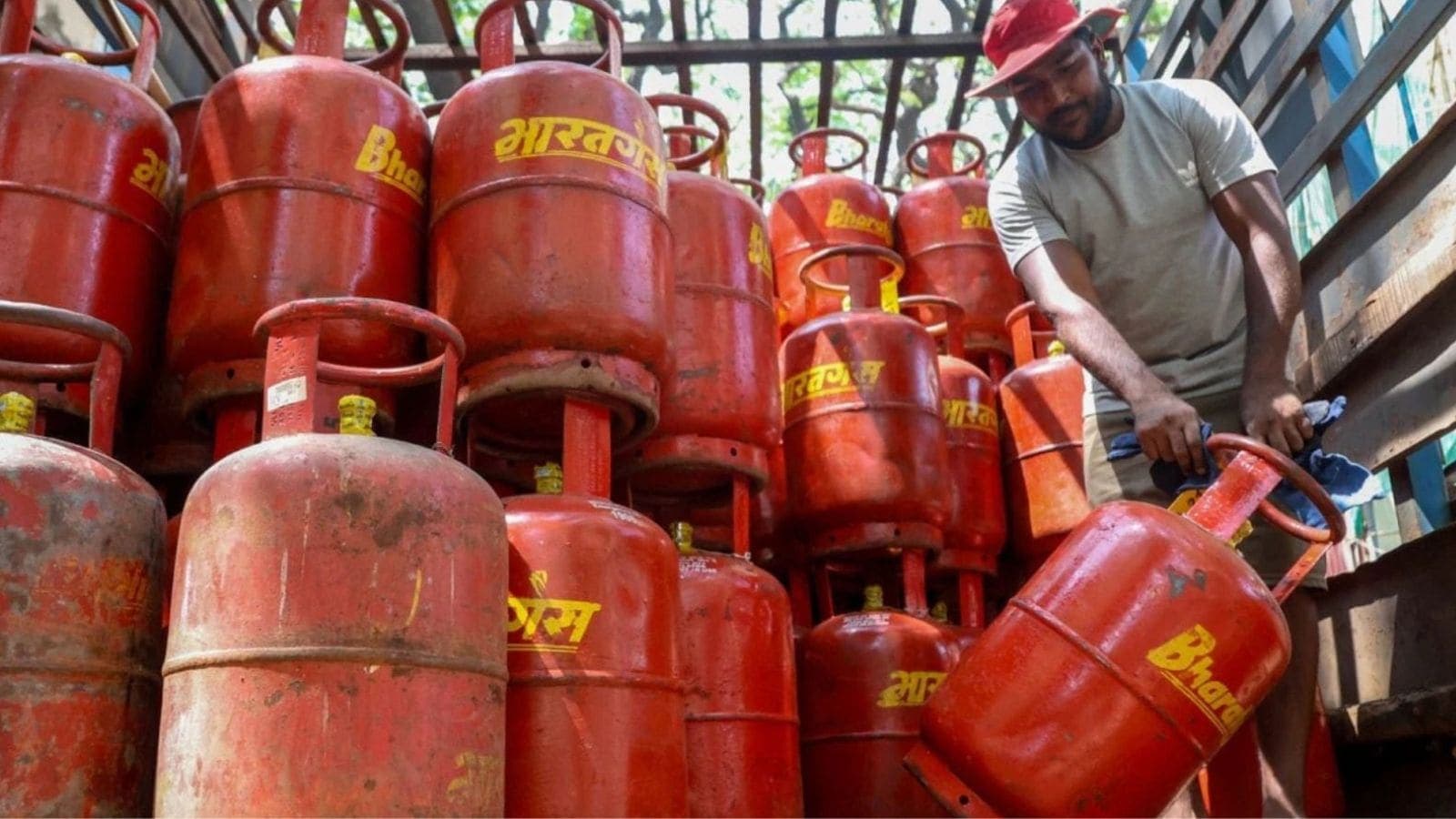
Commercial LPG prices have risen again, with increases of ₹42 in Delhi and ₹53.50 in Kolkata impacting businesses and consumers alike. Find out more.
Indian Express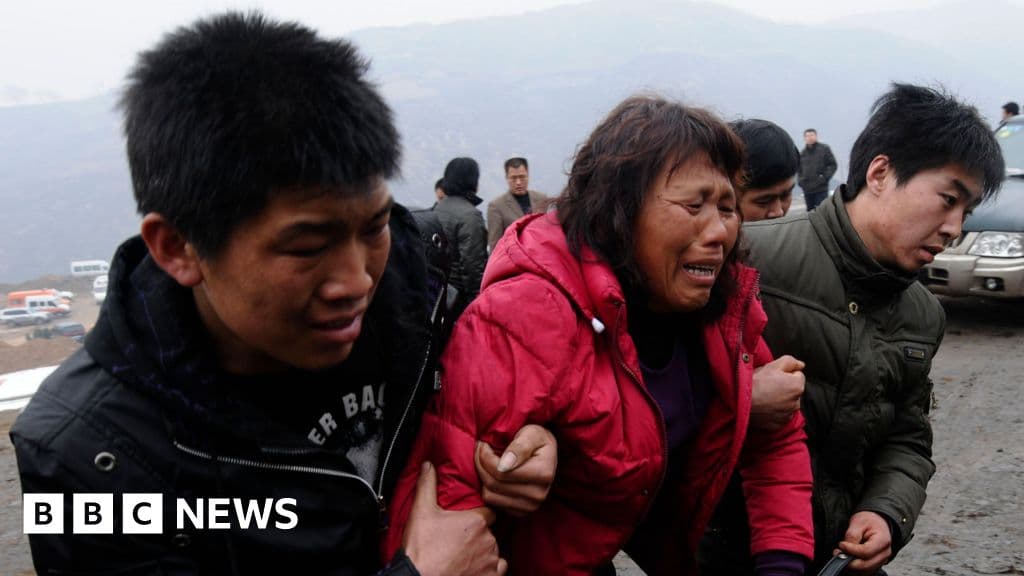
Discover how a tragic coal mine explosion in Shanxi, China, reveals ongoing safety concerns in the industry amidst a push for green energy.
BBC Business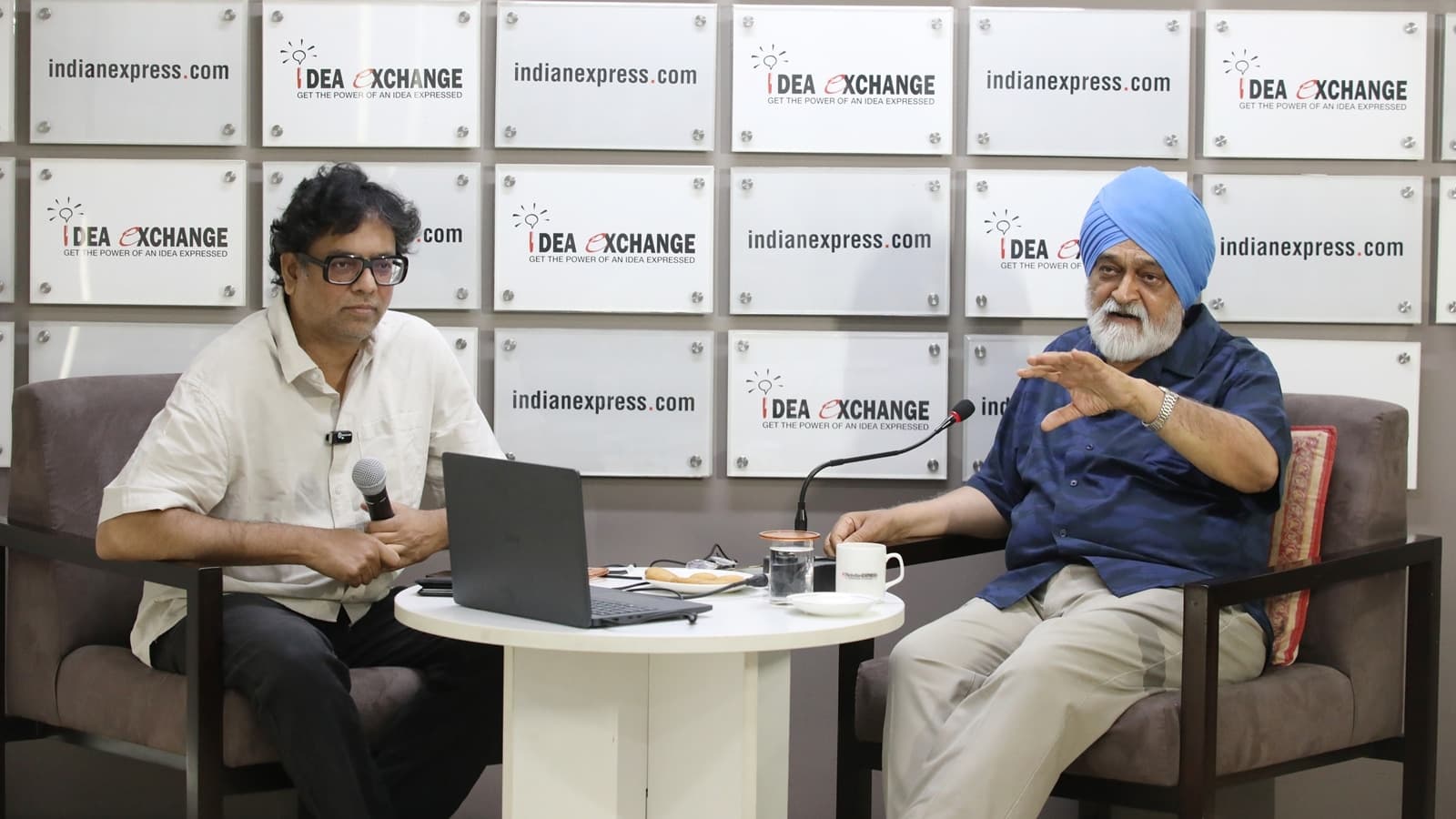
Montek Singh Ahluwalia highlights key economic challenges for India, emphasizing the need for a strategic approach to balance payments and investment.
Indian Express