
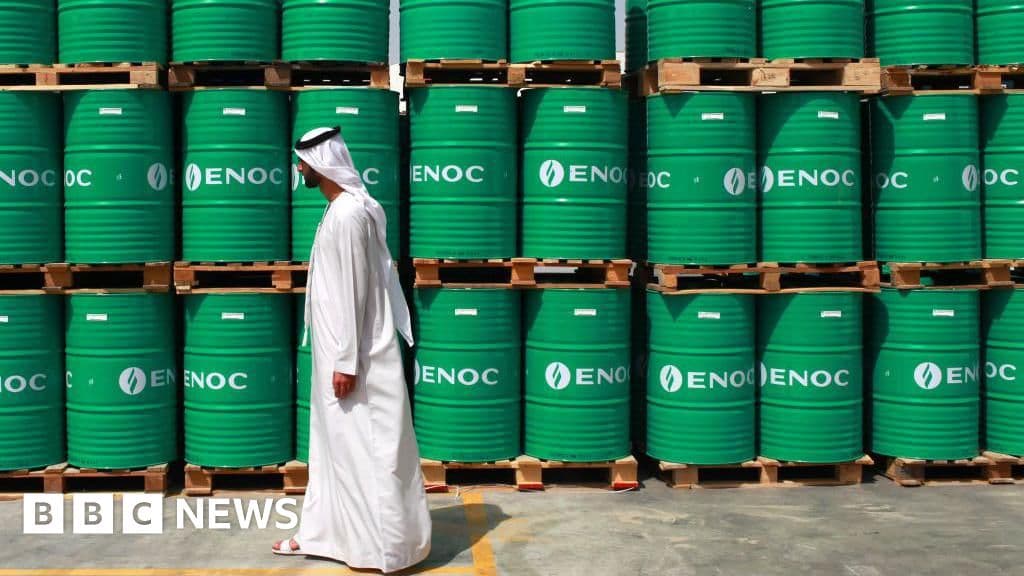
Image: BBC Business
The UAE's exit from OPEC marks a pivotal shift in global oil dynamics, challenging long-term market stability and production strategies. What’s next?
GlipzoAs a key player in the oil market, OPEC has historically wielded considerable power over crude oil prices by managing production levels among its member states. The organization played a crucial role during the 1970s oil crises, which reshaped global energy policies and highlighted the importance of oil in international relations. The UAE's departure signals a potential shift in this longstanding equilibrium, raising questions about OPEC's future relevance.
The UAE's decision reflects a desire to fully leverage its investments in oil capacity. With ambitions of ramping up production to 5 million barrels per day, the UAE aims to capitalize on its resources and maximize revenues. This strategic shift may have been influenced by the geopolitical tensions in the region, particularly the ongoing conflict involving Iran and its implications for UAE's relationship with Saudi Arabia and other Gulf states.
Currently, the Strait of Hormuz faces disruptions due to geopolitical tensions, but resolving these issues could lead to a significant drop in oil prices. Analysts speculate that with stabilization, oil prices could potentially fall to around $50 per barrel from the current levels near $110.
As countries across the globe begin to embrace alternative energy sources, the urgency for nations like the UAE to maximize oil revenues before demand potentially declines becomes apparent. The UAE's diversified economy, bolstered by sectors such as financial services and tourism, positions it advantageously to navigate this new landscape.
In conclusion, the UAE's exit from OPEC is more than just a regional change; it represents a significant shift in the global oil narrative. As the world moves towards a new energy paradigm, the actions taken by the UAE—and the responses from other oil-producing nations—will shape the future of energy markets for years to come.
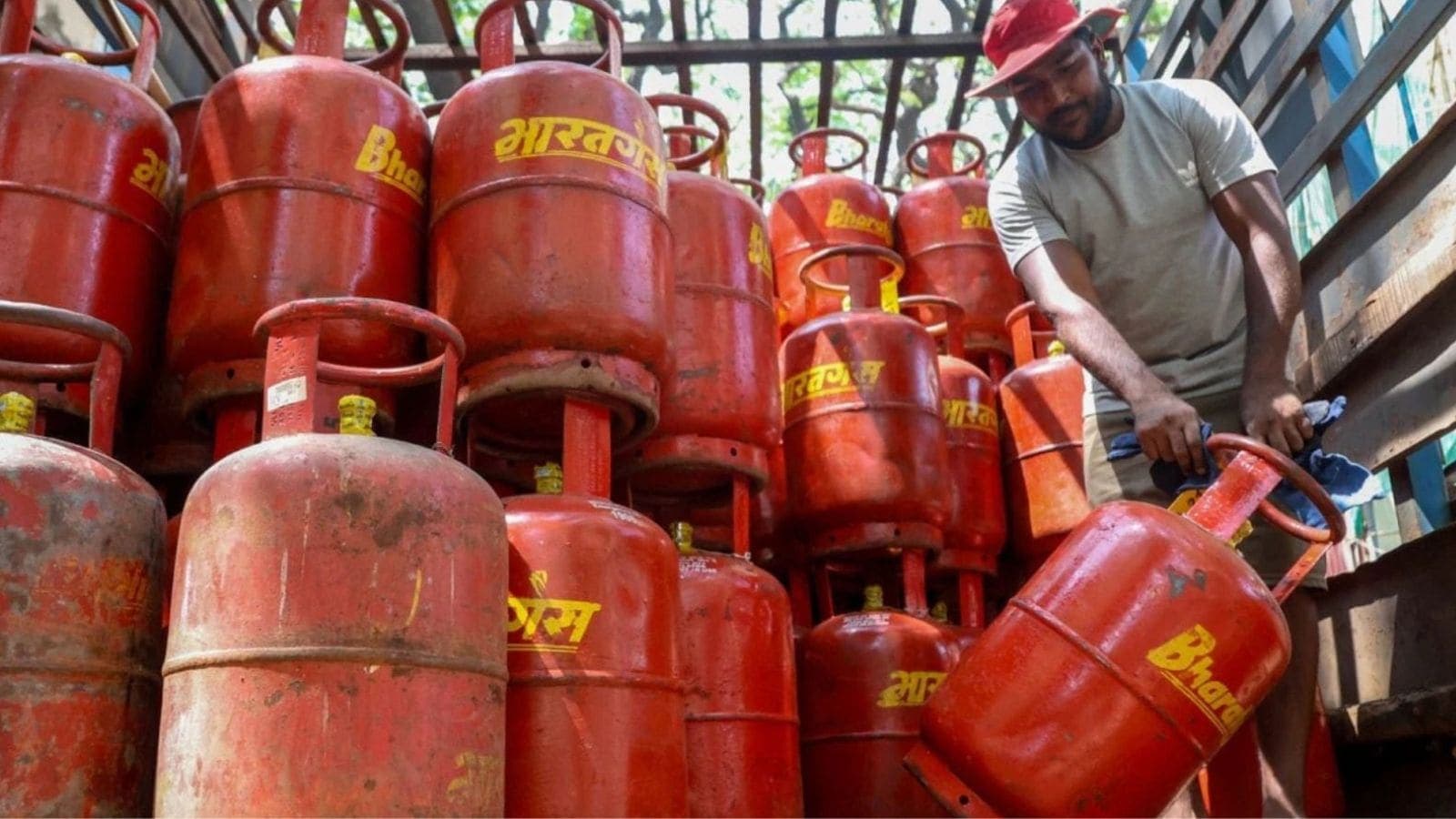
Commercial LPG prices have risen again, with increases of ₹42 in Delhi and ₹53.50 in Kolkata impacting businesses and consumers alike. Find out more.
Indian Express
Discover how a tragic coal mine explosion in Shanxi, China, reveals ongoing safety concerns in the industry amidst a push for green energy.
BBC Business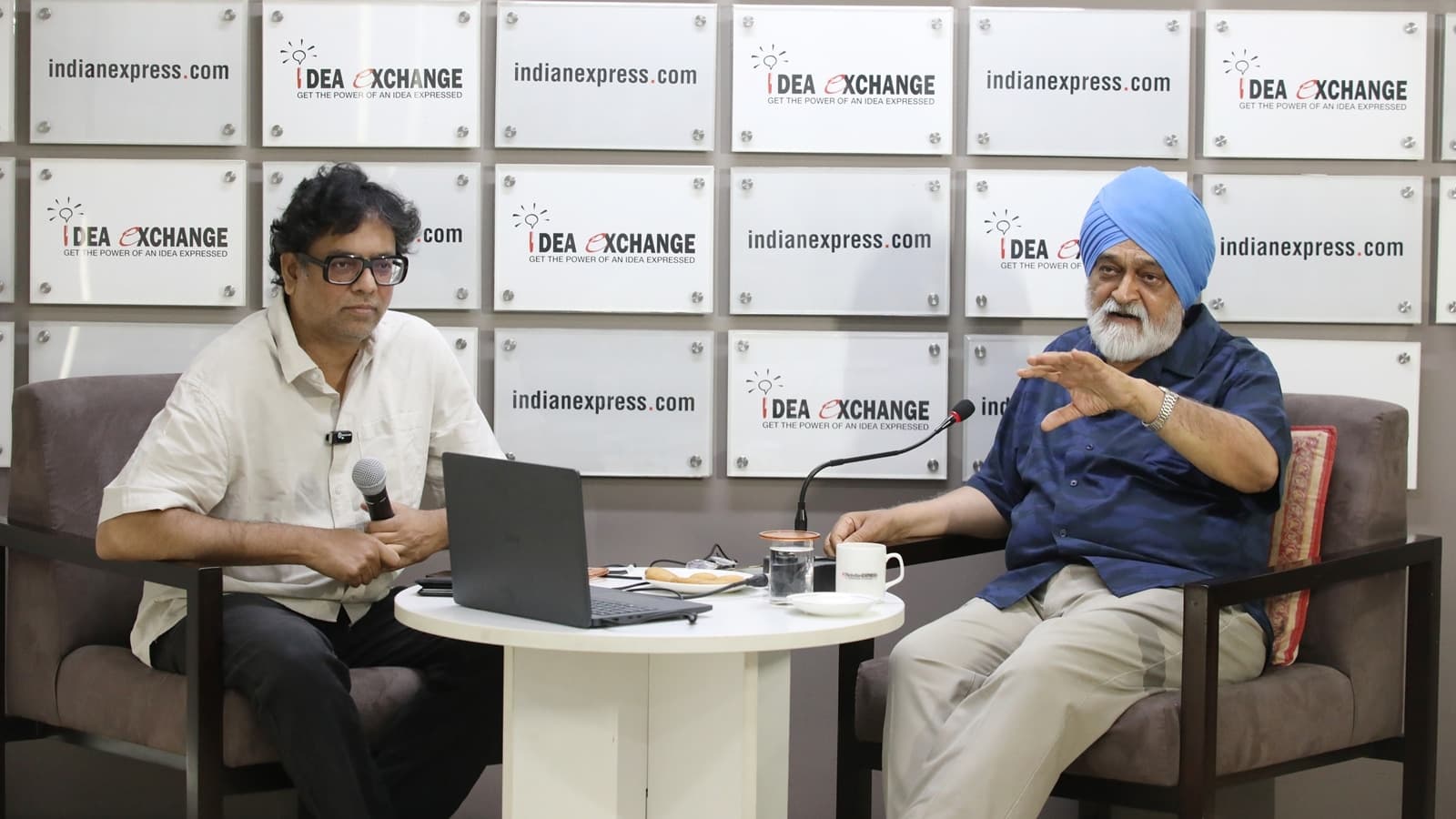
Montek Singh Ahluwalia highlights key economic challenges for India, emphasizing the need for a strategic approach to balance payments and investment.
Indian Express