

Image: Times of India
UAE takes decisive action against 19 Indians for misleading posts about the Iran war, highlighting the global fight against misinformation. What’s next?
GlipzoIn a significant move, the United Arab Emirates (UAE) has announced actions against 19 Indian nationals for their involvement in disseminating misleading information on social media related to the ongoing conflict in Iran. This decision comes in the wake of heightened sensitivities surrounding the Iran war, reflecting the UAE's commitment to maintaining social harmony and public order in its diverse society.
The UAE's Ministry of Interior has stated that these actions are part of a broader initiative to combat misinformation that could incite unrest or panic among the public. The individuals involved allegedly circulated false information that could exacerbate existing tensions in the region. This crackdown underscores the UAE's proactive stance against misinformation, especially in times of geopolitical strife.
The recent escalation of conflict in Iran has sparked widespread concern not only within the region but also globally. As various parties engage in complex interactions, misinformation can lead to severe misunderstandings and potentially dangerous situations. The UAE, a hub for expatriates and tourists alike, recognizes that the spread of false narratives can threaten its social fabric and stability.
In a statement, the UAE's Minister of State for Foreign Affairs emphasized the importance of verifying information before sharing it, especially during tumultuous times. The minister remarked, "In an age of rapid information dissemination, we must be vigilant against those who seek to mislead for their own purposes."
The 19 Indian nationals are accused of sharing posts that misrepresented the situation in Iran, potentially inciting fear and misinformation among the public. The UAE authorities have not disclosed specific details regarding the content of these posts, but they have reiterated the legal consequences of spreading false information.
The UAE's legal framework regarding cyber activities is stringent, with severe penalties for those found guilty of spreading misinformation or engaging in activities deemed harmful to public order. This case serves as a stark reminder to all residents and visitors about the importance of adhering to local laws regarding information sharing.
The UAE's decisive action against these individuals highlights a growing trend among nations to combat misinformation, particularly as social media continues to play a pivotal role in shaping public opinion. This situation serves as a crucial reminder of the responsibilities that come with sharing information online.
As the situation evolves, individuals must remain vigilant about the information they encounter and share online. The consequences of misinformation can be severe, not just for those who create it but for society as a whole, especially in sensitive geopolitical contexts.
The UAE's actions raise critical questions about the future of information sharing in a digital age. As governments worldwide grapple with the challenges posed by misinformation, we can expect to see more robust measures aimed at regulating social media content.
In the coming weeks and months, it will be essential to monitor any further developments regarding this case and how it might influence other nations in their fight against misinformation. Additionally, the global community must engage in discussions about establishing fair and transparent guidelines for information sharing that respect freedom of expression while safeguarding public welfare.
As tensions in the Middle East continue to evolve, the importance of responsible communication cannot be overstated. Everyone, from individuals to governments, has a role to play in fostering an environment where accurate information prevails over falsehoods. The UAE's actions serve as a critical reminder that in our interconnected world, the truth carries significant weight.
Overall, as this story unfolds, the conversation about misinformation and its potential consequences will likely intensify. Stakeholders across the globe must navigate these turbulent waters with caution, recognizing that the stakes have never been higher for accurate and responsible communication.
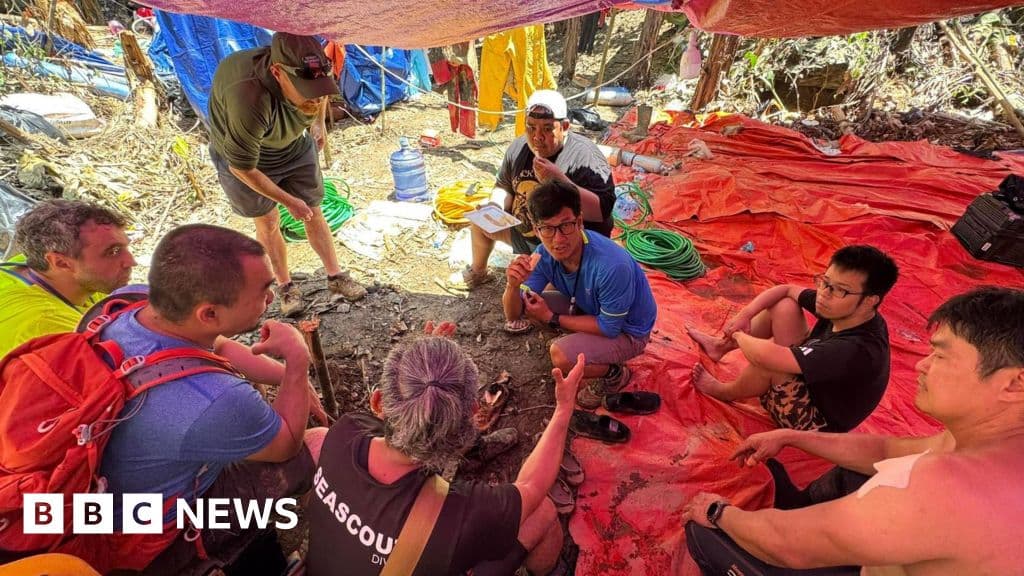
Survivors of the Laos cave rescue are aiding efforts to find the last two missing men trapped inside, sharing crucial insights for the search operation.
BBC World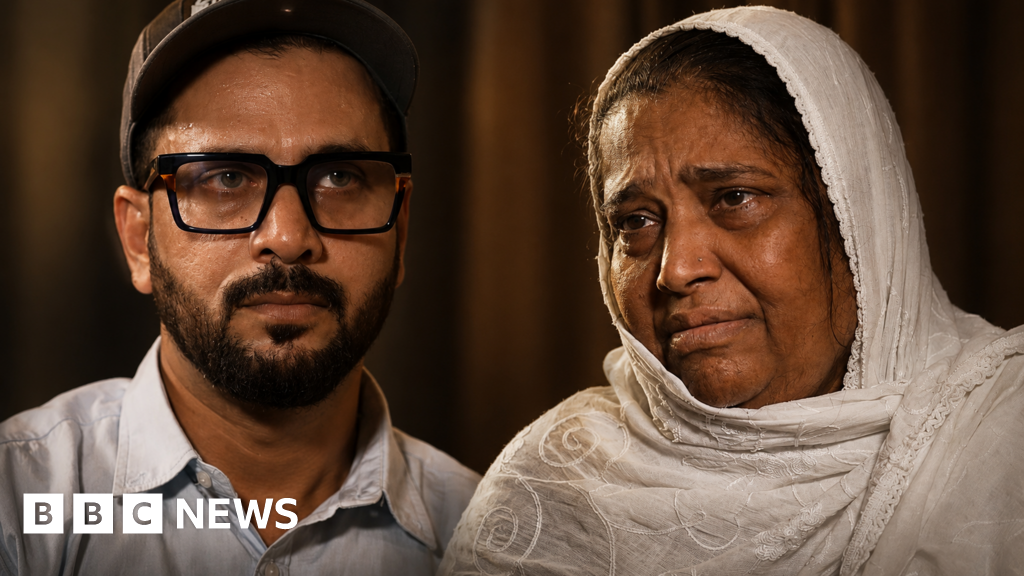
A year after the tragic Air India crash, the Ali family reflects on grief, unanswered questions, and the enduring bonds of love in the face of loss.
BBC Business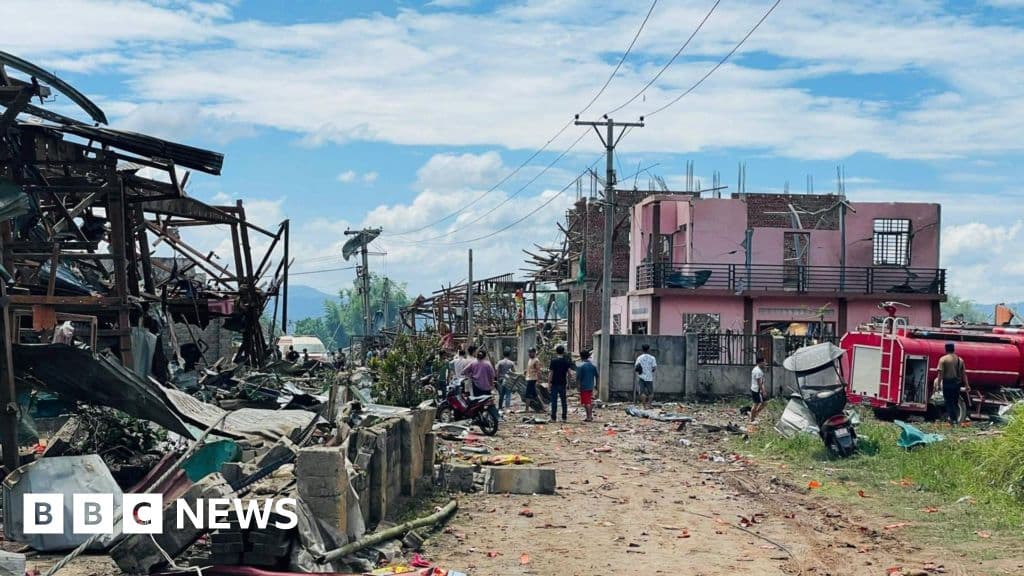
A devastating explosion in Myanmar's Kaung Tat village has killed at least 55 people, raising serious safety concerns and questions about civilian protection in conflict zones.
BBC World