
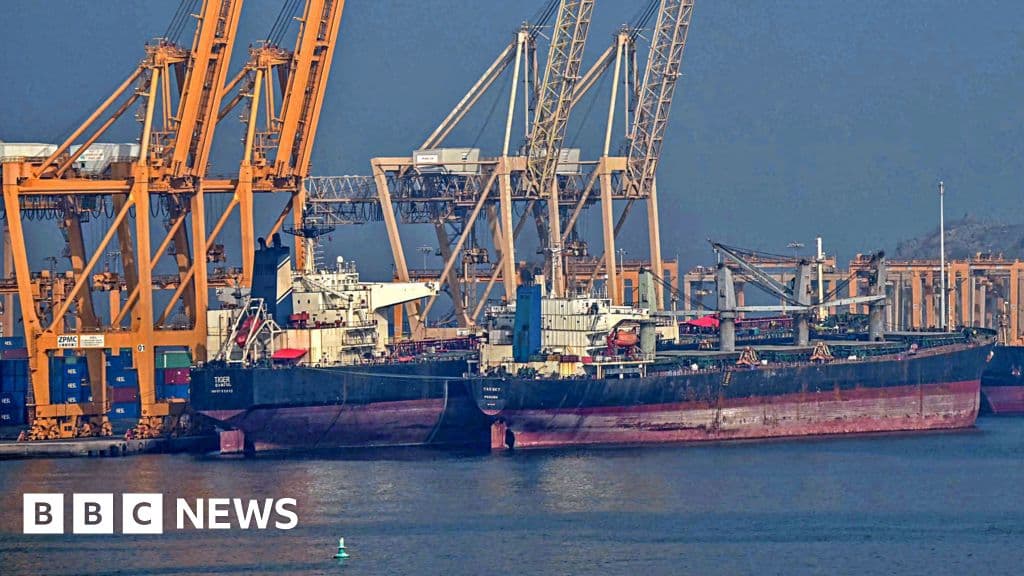
Image: BBC Business
UAE's exit from OPEC marks a pivotal shift in global oil dynamics, aiming for increased production capacity amidst rising global energy demand. What does this mean for the future?
GlipzoThe United Arab Emirates (UAE) has made the pivotal decision to withdraw from the Organization of the Petroleum Exporting Countries (OPEC) and the extended OPEC+ group, marking a significant shift in the landscape of global oil production. This announcement, set to take effect next month, concludes nearly 60 years of the UAE's membership in these influential organizations.
The UAE's departure is rooted in its strategy to enhance production capacity and respond to the increasing global energy demand. Suheil Mohamed Faris Al Mazrouei, the UAE's Minister of Energy and Infrastructure, articulated that this move would afford the nation greater flexibility in managing its resources. By stepping away from the obligations tied to OPEC, the UAE aims to streamline its oil production and adapt more rapidly to market demands.
The implications of this exit extend beyond mere numbers. Industry analysts are interpreting this as a potential turning point for OPEC, with one expert predicting that it signals "the beginning of the end of OPEC". This sentiment highlights the vulnerability of the cartel amidst shifting geopolitical landscapes and fluctuating production capabilities.
The withdrawal of the UAE is not just a loss of membership; it translates to a significant reduction in OPEC's overall production capacity. According to Saul Kavonic, head of energy research at MST Financial, the cartel will lose approximately 15% of its capacity, with the UAE being one of its most compliant participants. This shift raises questions about the future cohesion of OPEC, which was originally established in 1960 by five founding nations—Iran, Iraq, Kuwait, Saudi Arabia, and Venezuela—to synchronize oil production and stabilize revenues.
The organization has evolved over the years, now comprising 11 members following the UAE's exit, alongside 10 non-OPEC nations in the broader OPEC+ alliance. The dynamics within this group will be crucial in determining future oil prices and production strategies. Since January, the UAE, along with other OPEC members, has faced pressure from global leaders, including former U.S. President Donald Trump, who criticized the cartel for allegedly inflating oil prices.
The UAE's decision comes on the heels of a World Bank report indicating unprecedented losses in oil supply due to ongoing conflicts in the Middle East. The report projected an average rise of 25% in energy prices this year, further impacting the poorest populations who disproportionately spend their income on fuel. With the Strait of Hormuz—a critical shipping route—still facing disruptions, the UAE's exit is not expected to immediately alter global energy supply, but it does set the stage for potential future production increases.
Economists have noted that the UAE has heavily invested in expanding its oil production capabilities, aiming to increase output by approximately 1 million barrels per day once outside the constraints of OPEC. David Oxley, chief climate and commodities economist at Capital Economics, warned that while the UAE's exit could initially lead to lower prices, it might also introduce heightened volatility in the market.
As the UAE moves forward, it is crucial to consider its competitive advantage in oil production. The nation boasts one of the lowest break-even prices in the industry, significantly lower than that of Saudi Arabia. This financial flexibility means that the UAE can profit from oil sales even when prices dip, giving it an edge in the global market. Professor David Elmes from Warwick Business School emphasized that this newfound freedom allows the UAE to prioritize increased production without the constraints of maintaining elevated prices.
As the UAE embarks on this new chapter, the impact on global oil prices and the OPEC coalition will be critical to observe. The potential for other member nations to follow suit or for major producers like Russia and Saudi Arabia to adjust their output will shape the future of international oil dynamics.
The UAE's exit from OPEC heralds a transformative period in the oil sector, with far-reaching consequences that could reshape global energy strategies. As the cartel grapples with maintaining unity and stability in the face of rising tensions and competitive pressures, the actions of the UAE will serve as a bellwether for the future of oil production. Stakeholders will need to monitor how this decision influences market trends, pricing, and the potential for other countries to reconsider their positions within OPEC.
In summary, as the UAE breaks away from OPEC, it stands poised to redefine its role in the global energy landscape while challenging the traditional paradigms of oil production and pricing. The coming months will be critical in determining how this decision impacts both regional and international energy strategies.
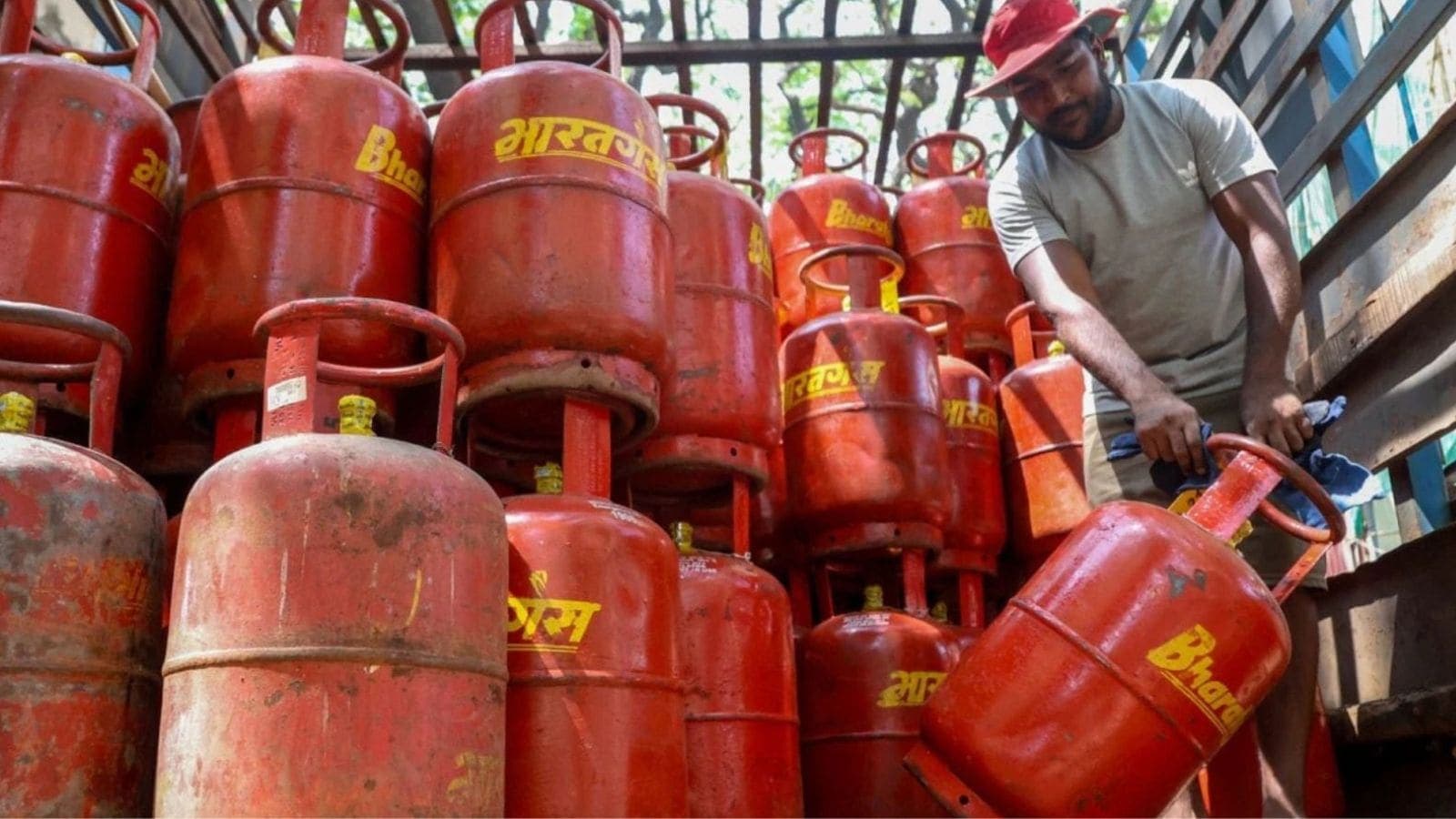
Commercial LPG prices have risen again, with increases of ₹42 in Delhi and ₹53.50 in Kolkata impacting businesses and consumers alike. Find out more.
Indian Express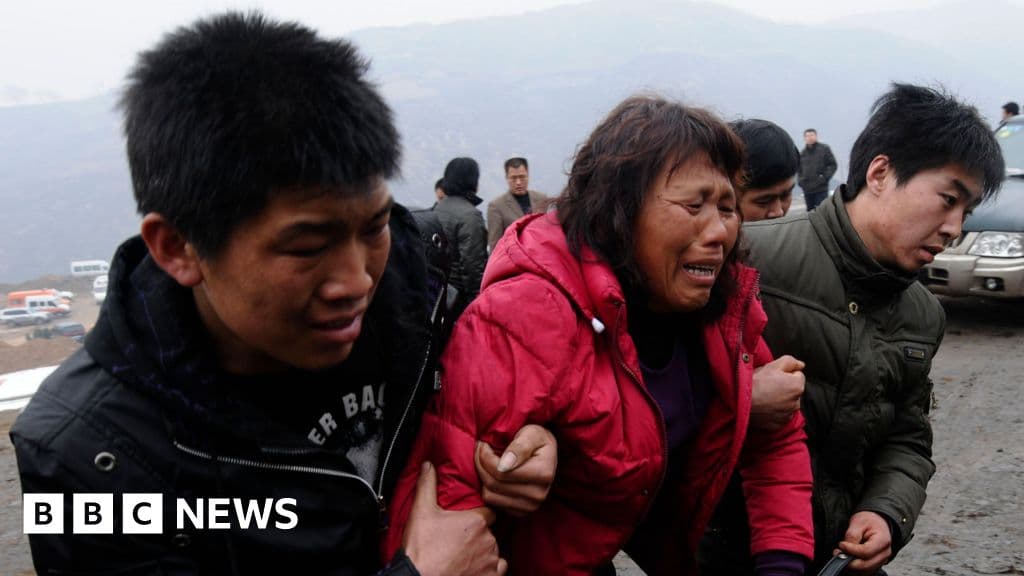
Discover how a tragic coal mine explosion in Shanxi, China, reveals ongoing safety concerns in the industry amidst a push for green energy.
BBC Business
Montek Singh Ahluwalia highlights key economic challenges for India, emphasizing the need for a strategic approach to balance payments and investment.
Indian Express