
Image: Mint (Business)
Dubai faces turmoil as Iranian drones target UAE, prompting airport shutdowns and air defense operations. What does this mean for regional stability?
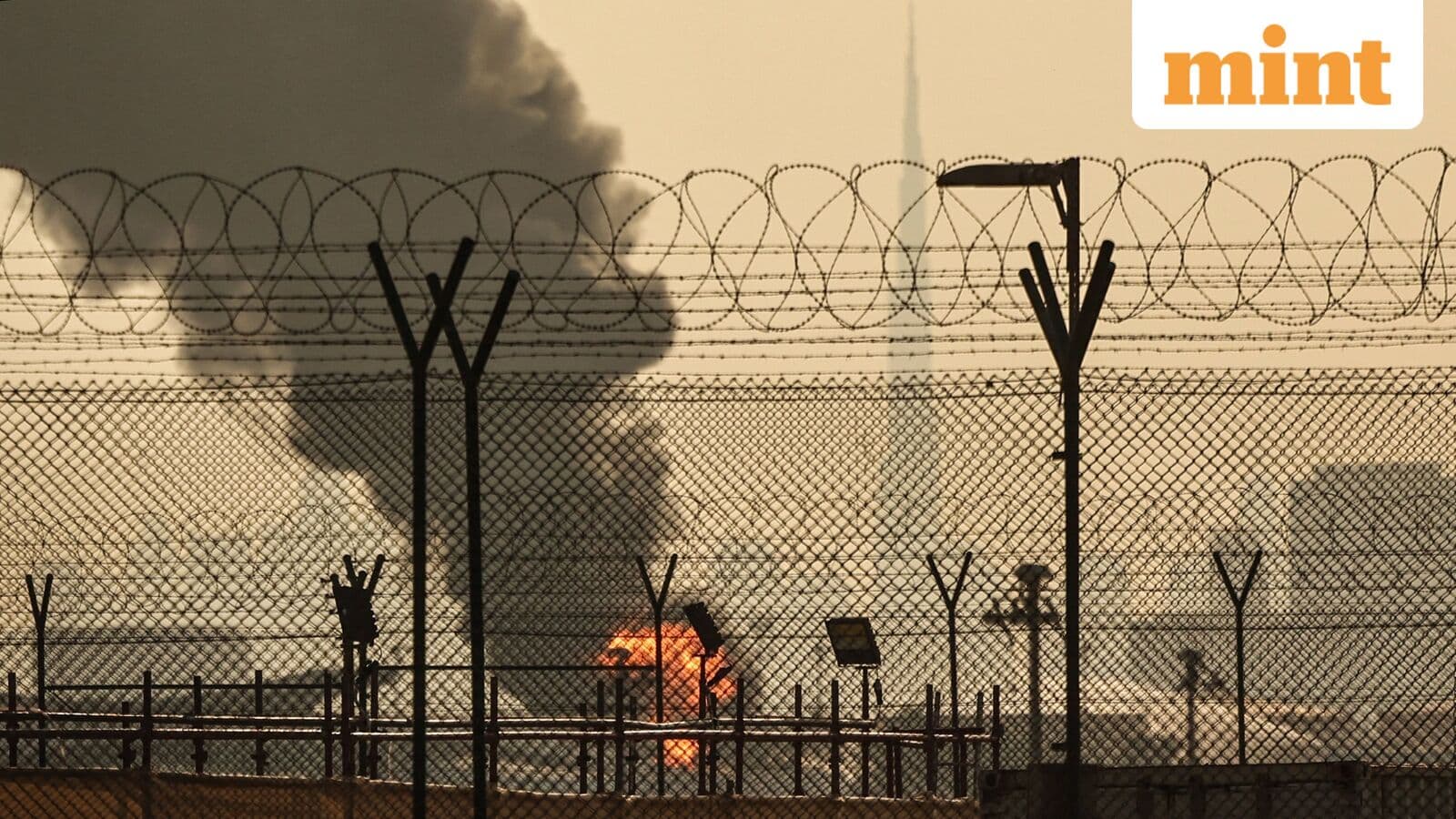
GlipzoIn a dramatic escalation of tensions in the Middle East, Dubai experienced significant disruptions on Monday due to drone attacks correlated with the ongoing conflict between Iran and a coalition of US and Israeli forces. The situation intensified as authorities grappled with the aftermath of these strikes, leading to a temporary suspension of operations at Dubai International Airport.
The attacks began with a drone assault on the Fujairah Oil Industry Zone, igniting a fire that civil defense teams worked swiftly to contain. Simultaneously, a drone strike targeted a fuel tank adjacent to Dubai's main airport, prompting immediate safety measures, including the diversion of inbound flights to Al Maktoum International Airport.
Fortunately, by Monday afternoon, flight operations at Dubai International Airport began to resume gradually. Authorities reported that the fire near the airport was extinguished by later that evening, allowing for a return to normalcy. However, the incident raised alarms about the vulnerability of critical infrastructure in the region amid escalating military actions.
In a further development, the Abu Dhabi authorities responded to a separate drone attack at the Shah gas field, where a fire broke out but was quickly brought under control. Although operations at the facility were suspended, there were injuries reported, underscoring the human impact of the conflict.
The violence also claimed the life of a Palestinian national in the Al Bahyah area, who was killed by a missile strike on a civilian vehicle. These tragic incidents highlight the indiscriminate nature of the ongoing conflict and its toll on innocent lives.
As the situation develops, the UAE's Ministry of Defence reassured citizens that their air defense systems were actively engaging Iranian drones and missiles in UAE airspace. Loud sounds reported in various areas were confirmed to be the result of air defense operations, aiming to protect the country from external threats.
The UAE's defense ministry provided alarming statistics, revealing that since the beginning of the recent Iranian aggression, it has successfully intercepted 1,627 drones, 15 cruise missiles, and 304 ballistic missiles. On Monday alone, the military intercepted 21 unmanned aerial vehicles (UAVs) and six ballistic missiles launched from Iran, showcasing the urgency and scale of the threats faced.
The situation remains fluid, with both military and civilian sectors on high alert. The UAE's robust defense systems are currently on high alert as the military prepares for potential further escalations in hostilities.
The implications of these incidents extend beyond immediate safety concerns. The ongoing conflict poses a significant threat to regional stability, impacting not only the Gulf Cooperation Council (GCC) nations but also international economic interests tied to oil production and shipping routes. The UAE's strategic position as a business and travel hub is at stake, particularly as tensions rise with Iran, leading to questions about future security measures and international relations.
As the Middle East grapples with this multifaceted conflict, the urgency for diplomatic solutions grows. Observers are particularly concerned about the potential for broader military engagements that could have far-reaching consequences not just for those directly involved, but for global markets and international relations.
As the conflict continues to unfold, all eyes are on the UAE and its ability to safeguard its airspace and critical infrastructure. The next few days will be crucial as the UAE assesses the situation and prepares for further Iranian provocations. Key points to watch for include:
As the region remains on high alert, the necessity for comprehensive security measures and international dialogue becomes increasingly evident. Stakeholders will need to navigate these challenges with caution as they seek to maintain stability in an ever-evolving geopolitical landscape.
Stay tuned for live updates as the situation develops and follow our coverage for comprehensive insights into this critical issue.
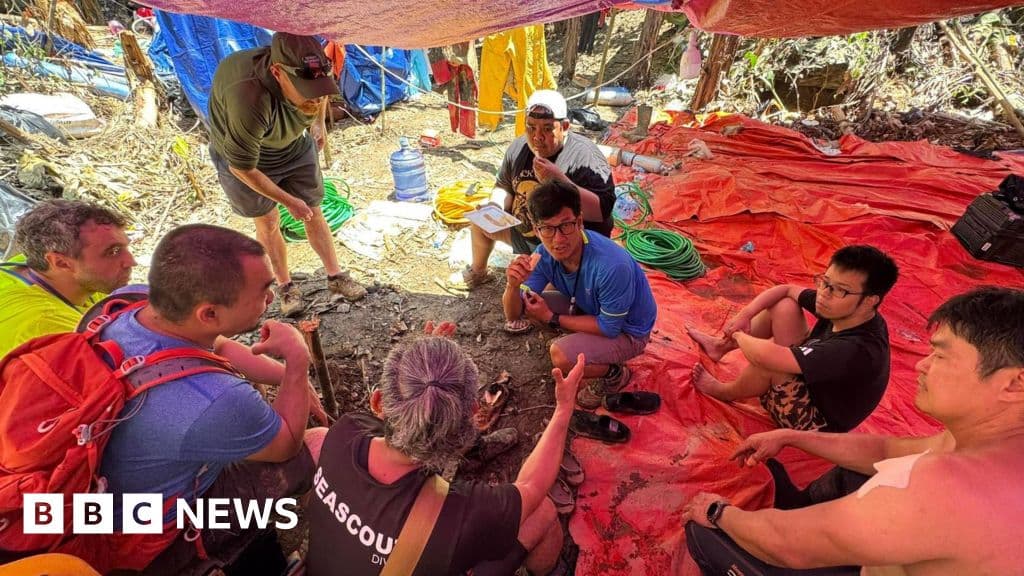
Survivors of the Laos cave rescue are aiding efforts to find the last two missing men trapped inside, sharing crucial insights for the search operation.
BBC World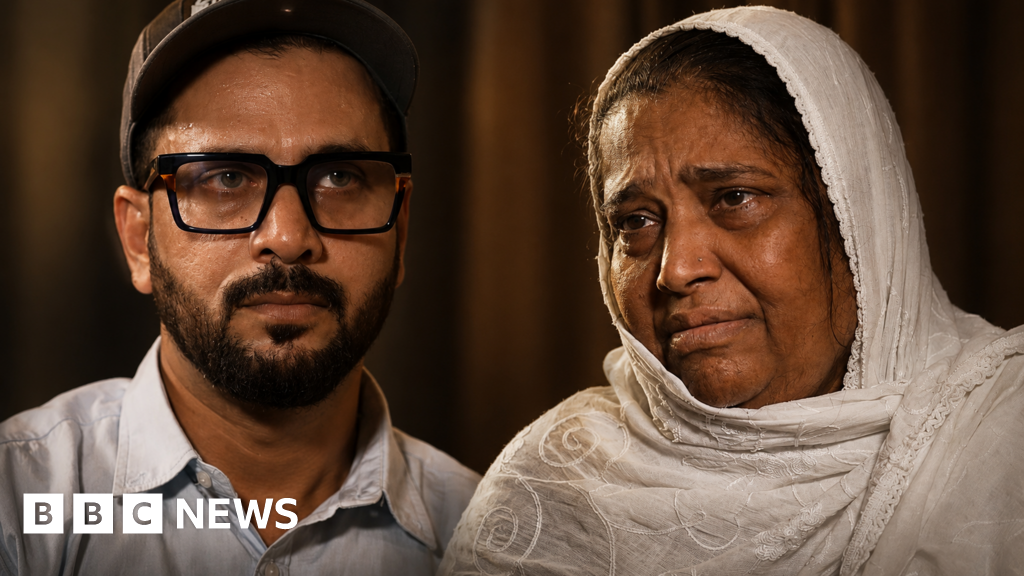
A year after the tragic Air India crash, the Ali family reflects on grief, unanswered questions, and the enduring bonds of love in the face of loss.
BBC Business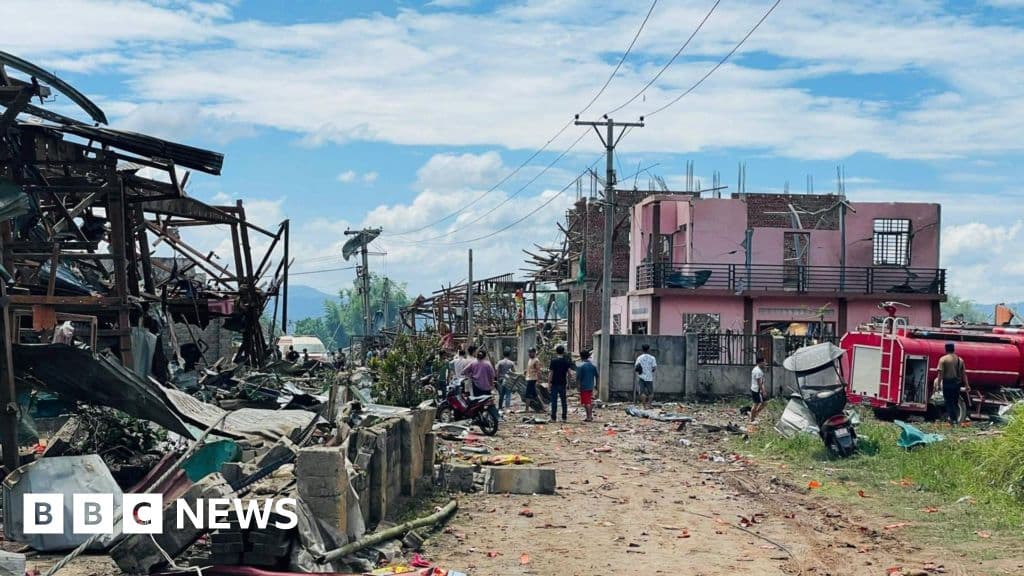
A devastating explosion in Myanmar's Kaung Tat village has killed at least 55 people, raising serious safety concerns and questions about civilian protection in conflict zones.
BBC World