
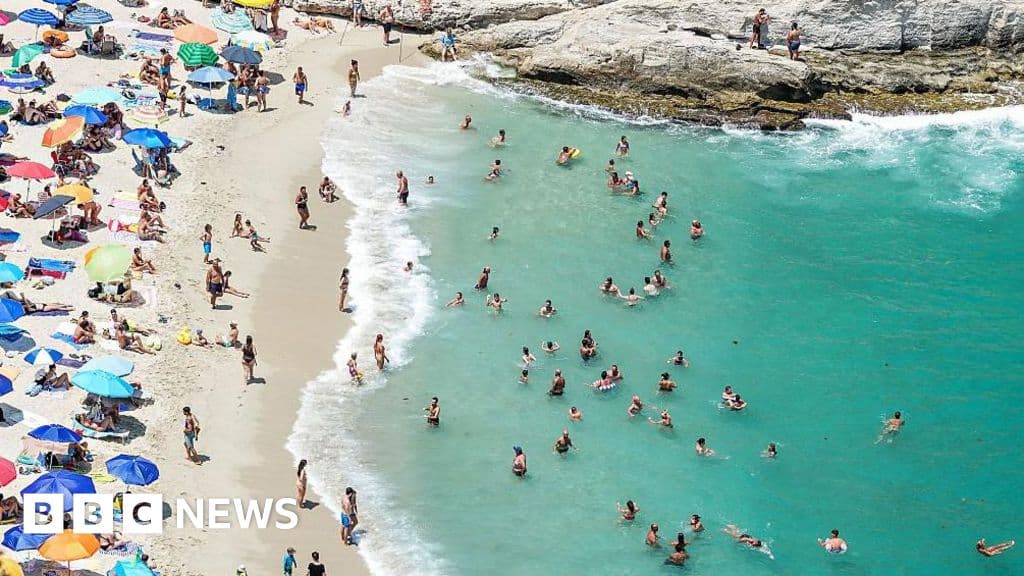
Image: BBC Business
Tui reports a 10% drop in summer holiday bookings from the UK, driven by cautious consumers amid global tensions. What does this mean for travel? Find out more.
GlipzoTui, Europe's largest travel operator, is facing significant challenges as it reports a 10% decrease in summer holiday bookings from UK customers. This downturn is primarily attributed to growing caution among consumers, driven by ongoing global tensions, particularly the Iran war. As travelers reassess their vacation plans, Tui has observed a noticeable shift in demand from Eastern Mediterranean destinations to those in the Western Mediterranean.
The company also noted that consumers are opting to book trips much closer to their departure dates, reflecting a hesitance to commit to long-term travel plans. In response to these changing dynamics, Tui is reducing its seat purchases from airline partners by 4-5% for the summer season, although it will maintain its own flight schedule at current levels. Despite these cuts, Tui’s CEO, Sebastien Ebel, expressed confidence that there will be no jet fuel shortages in the upcoming weeks.
The ongoing conflict in the Middle East, particularly the situation surrounding the Strait of Hormuz, has raised alarms about potential jet fuel shortages. This strait is a crucial route for oil and liquefied natural gas, and its disruption has led to increased fuel prices. Airlines are responding to these pressures in various ways, including raising ticket prices and scaling back capacity to attract cautious consumers.
In a recent statement, EU energy commissioner Dan Jorgensen reassured the public that while there might be concerns, the European Union does not foresee any significant jet fuel supply issues in the near term due to the ongoing conflict.
Tui’s financial results for the first quarter reveal a stark impact from these geopolitical tensions. The company reported a €40 million (£34.7 million) hit to profits due to costs associated with the Middle East situation, including repatriation, welfare expenses, and lost income. Overall, Tui’s underlying loss before interest and tax for the quarter amounted to €188 million, a slight improvement from €207 million last year.
An analysis by Russ Mould, investment director at AJ Bell, highlights consumer apprehension in the travel and airline industries. He notes that although companies insist there are no immediate fuel shortages, public sentiment remains jittery. Mould emphasizes the need for clarity on alternative fuel sources from the Middle East to help consumers regain confidence when booking their summer vacations.
Aarin Chiekrie, an equity analyst at Hargreaves Lansdown, echoed these sentiments, stating that consumers are understandably becoming more cautious about spending on holidays. However, she pointed out that this does not indicate a complete abandonment of travel plans. Instead, data suggests travelers are simply waiting longer to finalize their bookings, which, while not ideal, is preferable to a total collapse in demand.
Recent data from Barclays reveals that spending at travel agencies decreased by 7.5% in April, while overall spending on holidays and travel dropped by 5.7% compared to the previous year. Dame Irene Hays, the owner of the UK independent travel agency Hays Travel, remarked that the industry is indeed grappling with the uncertainties brought about by both the cost of living crisis and the geopolitical climate in the Middle East.
Despite the challenges facing traditional travel bookings, Dame Hays reported that the cruise industry is thriving, and tour holidays are experiencing strong demand. She noted that outside of the United States and the Middle East, destinations such as Canada, Japan, Australia, South Africa, and Thailand are performing exceptionally well.
One significant change in consumer behavior is the trend towards booking closer to departure dates. Dame Hays pointed out that while people used to book their holidays seven months in advance, this period has now shrunk to around 16 weeks. She encouraged travelers to book earlier when possible for a better selection of options, even though there are still attractive deals available.
As travel professionals stress the need for a reduction in uncertainty, Dame Hays emphasized the importance of clarity in the market to restore consumer confidence.
As Tui navigates these turbulent waters, the company and the broader travel industry face several critical questions. Will consumer confidence rebound as clarity emerges regarding fuel supplies and geopolitical stability? How will the ongoing conflict in the Middle East continue to impact travel trends and pricing?
With summer on the horizon, stakeholders in the travel industry will be closely watching booking patterns and consumer sentiment. If consumers begin to feel more secure about travel plans, we may see a resurgence in bookings, particularly for destinations that are currently experiencing heightened demand. The industry is at a pivotal juncture, and the next few months will be crucial in determining the trajectory of travel in 2023 and beyond.
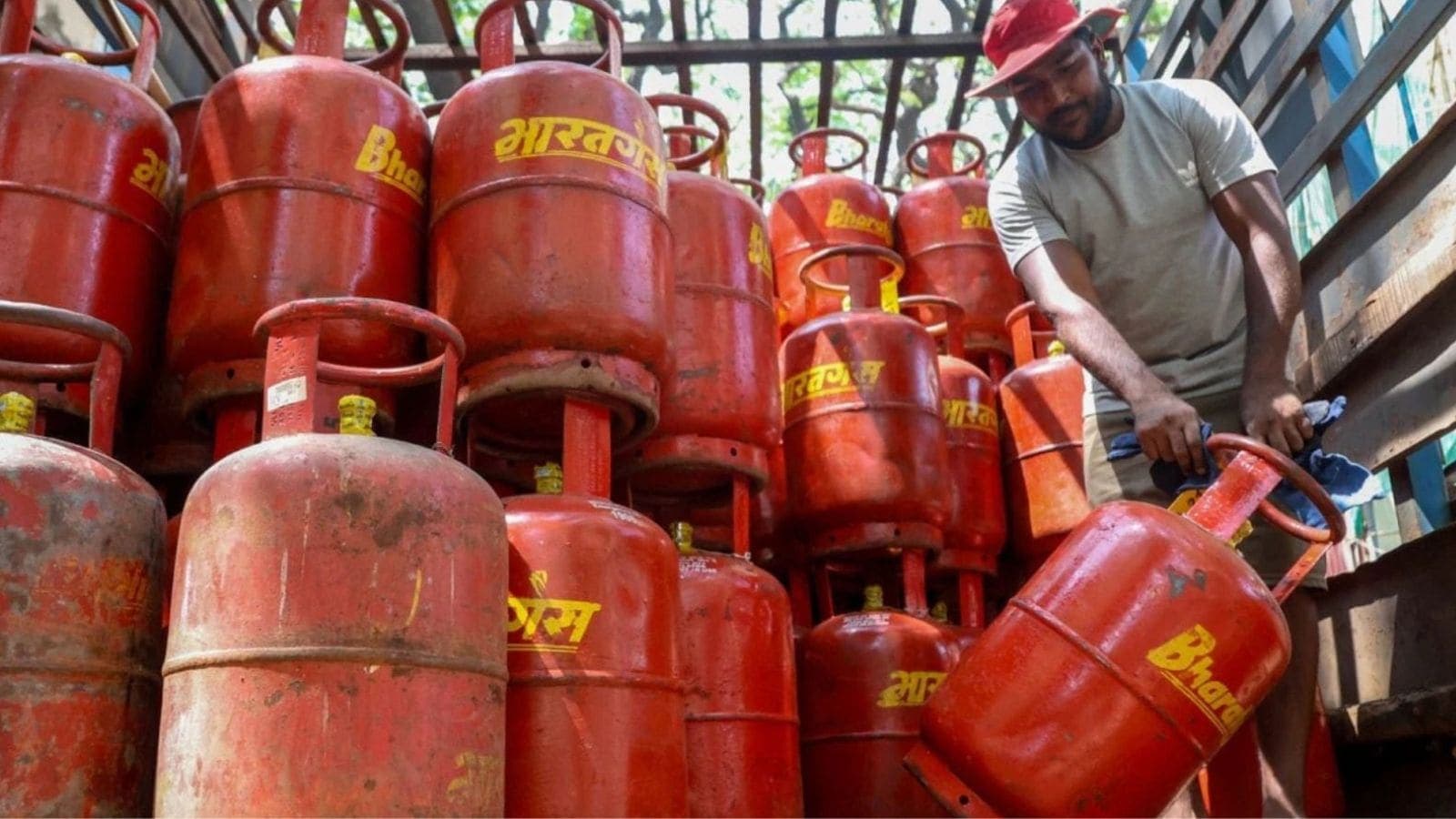
Commercial LPG prices have risen again, with increases of ₹42 in Delhi and ₹53.50 in Kolkata impacting businesses and consumers alike. Find out more.
Indian Express
Discover how a tragic coal mine explosion in Shanxi, China, reveals ongoing safety concerns in the industry amidst a push for green energy.
BBC Business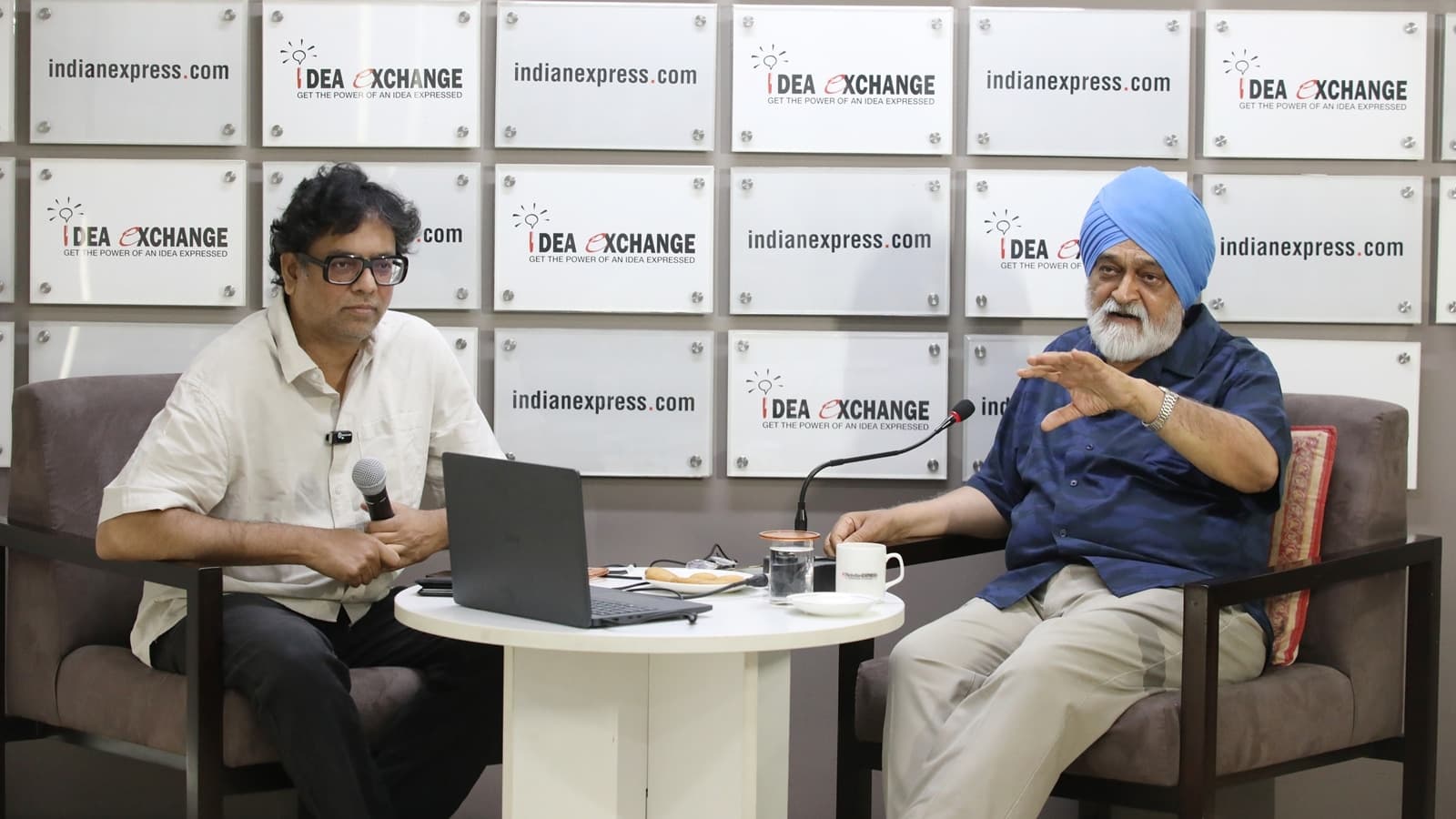
Montek Singh Ahluwalia highlights key economic challenges for India, emphasizing the need for a strategic approach to balance payments and investment.
Indian Express