
Glipzo
WorldTechnologyBusinessSportsEntertainmentScienceHealthPolitics
Glipzo
WorldTechnologyBusinessSportsEntertainmentScienceHealthPolitics
  1. Home
  2. /
  3. Politics
  4. /
  5. Trump's Signature to Grace US Dollars: A Historic First
Trump's Signature to Grace US Dollars: A Historic First

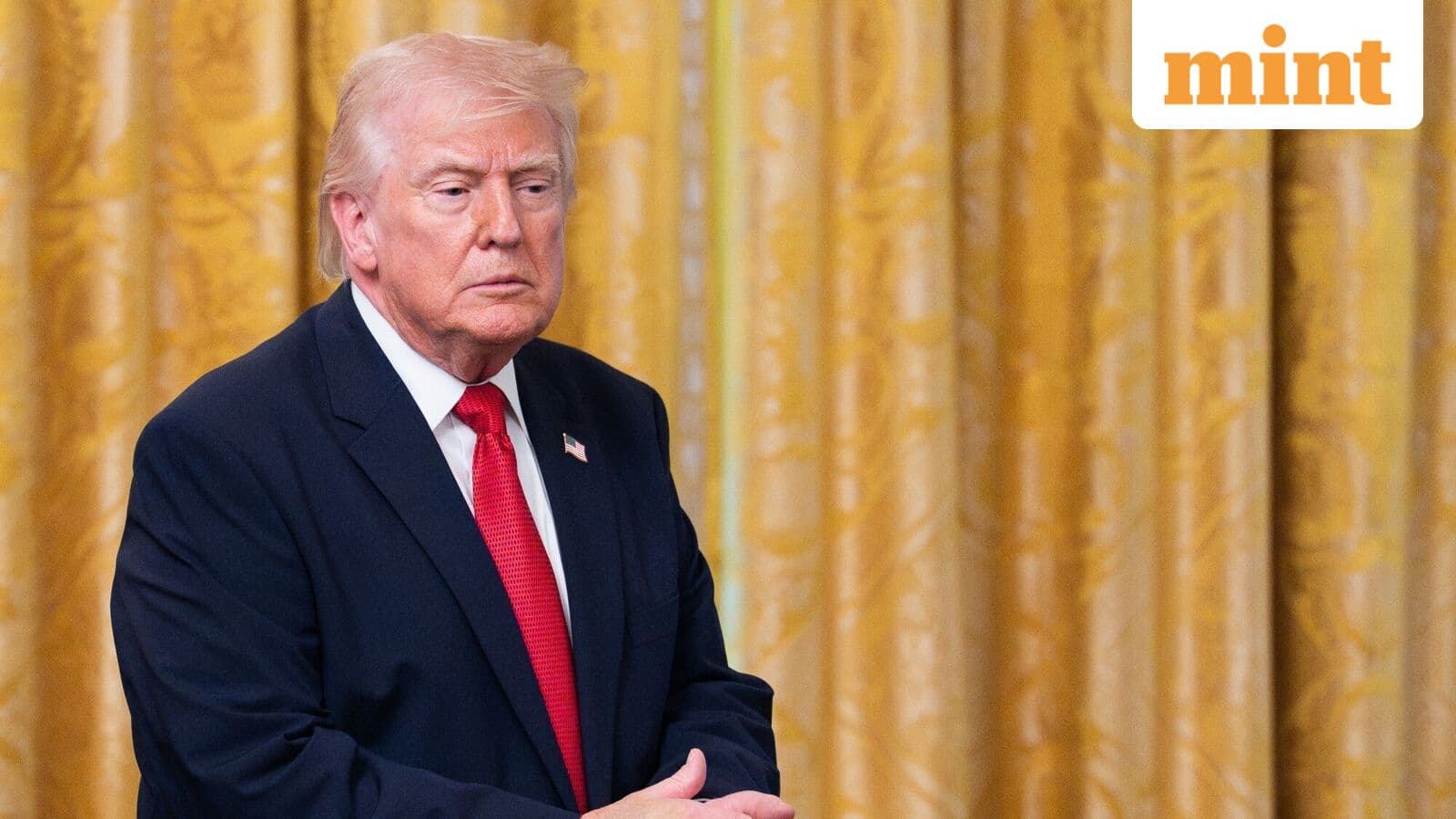
Image: Mint (Business)

Politics
Friday, March 27, 20265 min read

Trump's Signature to Grace US Dollars: A Historic First

Trump's signature to appear on US dollar bills for the first time, marking a historic milestone in American currency. What does this mean for the future?

Glipzo News Desk|Source: Mint (Business)
Share
Glipzo

Key Highlights

  • Trump's signature to be added to US dollars later this year.
  • This marks the first time a sitting president's name will be featured.
  • Initial $100 bills with Trump's signature will be printed in June 2023.
  • Critics question the national interest behind this unprecedented change.
  • The decision could turn Trump's signature into a rare collectible.

In this article

  • Trump's Signature: A Historic Addition to US Currency In a groundbreaking announcement on **March 26, 2023**, the Treasury Department revealed that **President Donald Trump’s signature** will be incorporated into **US dollar bills** later this year. This marks a significant moment in American history as it is the **first time** a sitting president's name will be featured on the nation’s currency, a change that is sure to spark discussions nationwide.
  • What We Know About the Signature Inclusion Although details remain sparse, the Treasury Department has confirmed that the initial **$100 notes** featuring both Trump’s and Bessent’s signatures are set to be printed in **June 2023**. The extent of this change remains to be seen, as it is not yet clear whether Trump’s signature will appear on all denominations of US currency.
  • The Impact on American Institutions Beyond currency, Trump has actively sought to imprint his legacy on numerous national institutions. His name was added to the **John F. Kennedy Center for the Performing Arts**, and efforts have been made to rename **Dulles Airport** in his honor. This trend raises questions about the implications of personal branding on public institutions and national symbols.
  • Mixed Reactions to the Change The announcement has ignited a debate among policymakers, economists, and the general public. Some critics, like **Douglas Holtz-Eakin**, a Republican economist and former adviser to President **George W. Bush**, have questioned the rationale behind this change, particularly in an era where the use of physical currency is on the decline. Holtz-Eakin noted, “Why is this in the national interest? This may be the ultimate act of futility.”
  • Legal and Historical Context Legally, the authority to design currency lies with the **US Treasury Secretary**, a practice that has been in place since legislation signed by **Abraham Lincoln** in **1861**. The inclusion of a sitting president's signature is not common, but it is not entirely without precedent. **Larry Felix**, a former director of the Bureau of Engraving and Printing, described the decision as an “unusual” departure from the norm, suggesting that these notes could become valuable collectibles in the future.
  • The Future of Currency Design While the decision has been made, several key questions remain unanswered. Will Trump’s signature appear on all denominations, or will it be limited to specific bills? Furthermore, how long will this revised design circulate before any changes are made? The Treasury has yet to provide clarity on these matters.
  • Why It Matters The significance of this decision extends beyond mere aesthetics; it raises critical questions about the intersection of politics and national symbols. By embedding the signature of a sitting president into currency, the administration may be setting a precedent for future leaders to follow, which could politicize a traditionally neutral symbol of national unity.

Trump's Signature: A Historic Addition to US Currency In a groundbreaking announcement on **March 26, 2023**, the Treasury Department revealed that **President Donald Trump’s signature** will be incorporated into **US dollar bills** later this year. This marks a significant moment in American history as it is the **first time** a sitting president's name will be featured on the nation’s currency, a change that is sure to spark discussions nationwide.

This unprecedented decision coincides with the upcoming 250th anniversary of the United States, prompting officials to justify this deviation from tradition as a symbolic recognition of the nation’s rich history. Treasury Secretary Scott Bessent stated that Trump’s signature will accompany his own, replacing the traditional role of the treasurer’s signature on the currency.

What We Know About the Signature Inclusion Although details remain sparse, the Treasury Department has confirmed that the initial **$100 notes** featuring both Trump’s and Bessent’s signatures are set to be printed in **June 2023**. The extent of this change remains to be seen, as it is not yet clear whether Trump’s signature will appear on all denominations of US currency.

This decision follows Trump’s previous efforts to leave his mark on American currency, notably when his signature was added to millions of economic stimulus checks distributed during the COVID-19 pandemic. The former president has also called for the creation of a one-dollar coin featuring his likeness and a 24-karat gold coin commemorating his presidency.

The Impact on American Institutions Beyond currency, Trump has actively sought to imprint his legacy on numerous national institutions. His name was added to the **John F. Kennedy Center for the Performing Arts**, and efforts have been made to rename **Dulles Airport** in his honor. This trend raises questions about the implications of personal branding on public institutions and national symbols.

For over a century, US banknotes have routinely included the signatures of the Treasury Secretary and the US treasurer. However, this new arrangement signifies a notable shift in institutional practices, as it allows the sitting president’s name to take precedence. Bessent emphasized the importance of this change in a recent statement, asserting that it serves to honor the historic achievements of both the nation and Trump himself.

Mixed Reactions to the Change The announcement has ignited a debate among policymakers, economists, and the general public. Some critics, like **Douglas Holtz-Eakin**, a Republican economist and former adviser to President **George W. Bush**, have questioned the rationale behind this change, particularly in an era where the use of physical currency is on the decline. Holtz-Eakin noted, “Why is this in the national interest? This may be the ultimate act of futility.”

Conversely, supporters argue that the decision to feature Trump’s signature on US currency is warranted, citing his role in what they view as an economic revival during his presidency. Brandon Beach, Trump’s treasurer, highlighted the significance of this change, stating, “The president’s mark on history as the architect of America’s Golden Age economic revival is undeniable.”

Legal and Historical Context Legally, the authority to design currency lies with the **US Treasury Secretary**, a practice that has been in place since legislation signed by **Abraham Lincoln** in **1861**. The inclusion of a sitting president's signature is not common, but it is not entirely without precedent. **Larry Felix**, a former director of the Bureau of Engraving and Printing, described the decision as an “unusual” departure from the norm, suggesting that these notes could become valuable collectibles in the future.

“It may have the potential to become a numismatic rarity,” Felix stated, hinting at potential future interest among collectors.

The Future of Currency Design While the decision has been made, several key questions remain unanswered. Will Trump’s signature appear on all denominations, or will it be limited to specific bills? Furthermore, how long will this revised design circulate before any changes are made? The Treasury has yet to provide clarity on these matters.

As discussions surrounding this historic decision continue, it will be interesting to observe the public’s reaction and any potential legislative moves in response. Will this be a lasting change, or a temporary nod to a significant anniversary? One thing is certain: the addition of Trump’s signature to US currency is set to become a defining moment in American financial history.

Why It Matters The significance of this decision extends beyond mere aesthetics; it raises critical questions about the intersection of politics and national symbols. By embedding the signature of a sitting president into currency, the administration may be setting a precedent for future leaders to follow, which could politicize a traditionally neutral symbol of national unity.

In a landscape where the value of physical currency is diminishing, the implications of such a change warrant scrutiny. As the nation approaches the 250th anniversary, the focus will inevitably turn to how these decisions influence the future of American identity and legacy.

Did you find this article useful? Share it!

Share

Related Articles

Ben Roberts-Smith Fights Back Against War Crime Charges
Politics
Apr 19, 2026

Ben Roberts-Smith Fights Back Against War Crime Charges

Ben Roberts-Smith vows to fight war crime charges, claiming he's innocent. Explore the allegations and their wider implications for military accountability.

BBC World
Jammu & Kashmir Government Seizes 58 Schools Linked to JeI
Politics
Apr 19, 2026

Jammu & Kashmir Government Seizes 58 Schools Linked to JeI

Discover how the Jammu & Kashmir government is reshaping education by taking control of 58 schools linked to the banned Jamaat-e-Islami.

Indian Express
DR Congo Welcomes First Deportees from the US Amid Controversy
Politics
Apr 19, 2026

DR Congo Welcomes First Deportees from the US Amid Controversy

DR Congo takes in its first deportees from the US, raising questions about immigration policy and international relations. What does this mean for the future?

BBC World

Categories

  • World
  • Technology
  • Business
  • Sports

More

  • Entertainment
  • Science
  • Health
  • Politics

Explore

  • Web Stories
  • About Us
  • Contact

Legal

  • Privacy Policy
  • Terms of Service

© 2026 Glipzo. All rights reserved.

