
Image: Mint (Business)
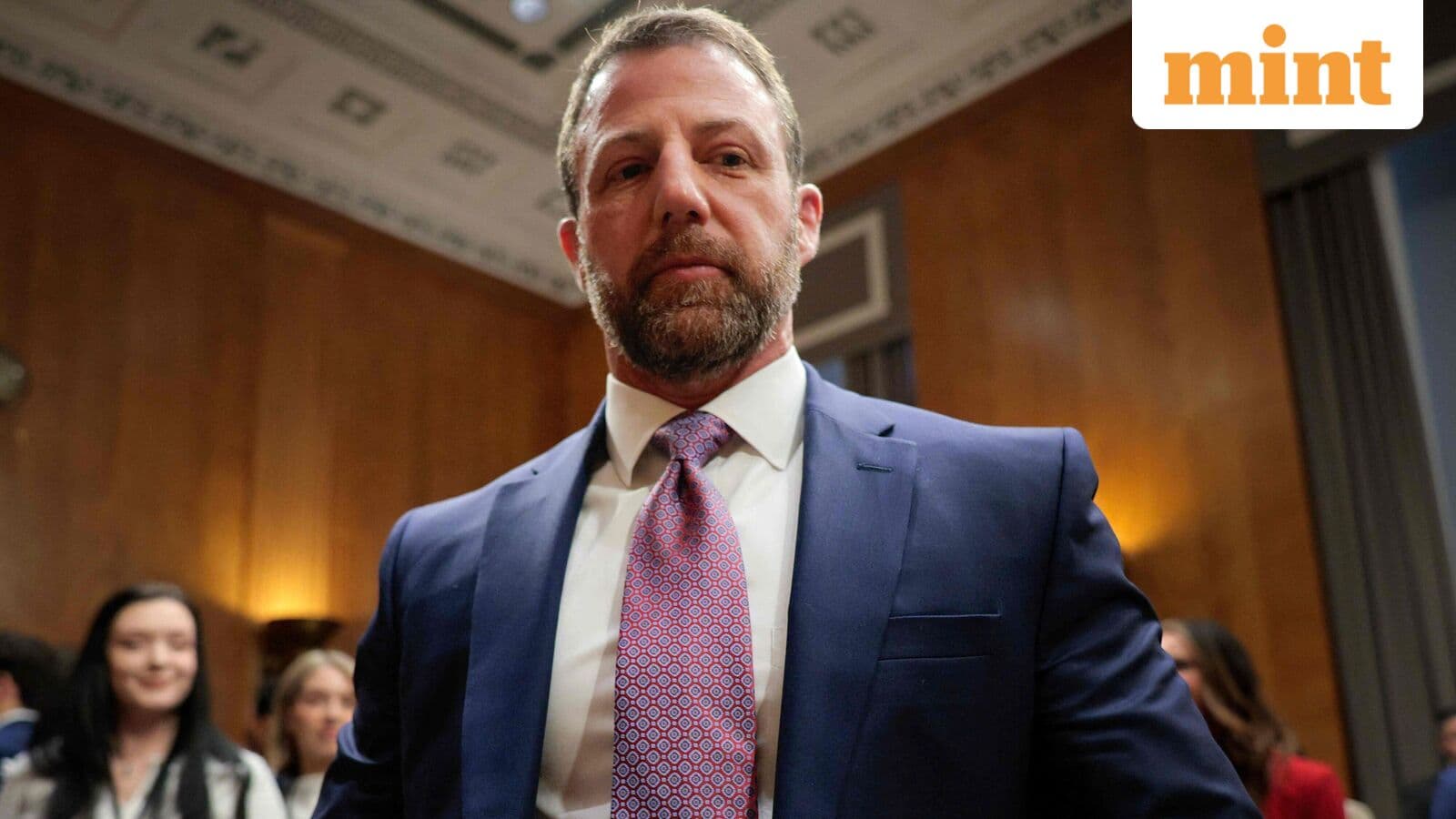
Markwayne Mullin's nomination for DHS Secretary advances after a narrow Senate vote. What does this mean for immigration policy? Click to find out!
GlipzoIn a significant development for the Trump administration, Markwayne Mullin's nomination as Secretary of Homeland Security has moved forward following a narrow 8-7 vote by the Senate Homeland Security and Governmental Affairs Committee on March 18. This vote, largely divided along party lines, now paves the way for his candidacy to be presented to the full Senate for confirmation.
The committee’s decision was not without controversy, with two notable exceptions breaking the typical partisan pattern. Republican Chairman Rand Paul cast a dissenting vote against Mullin, while Democrat John Fetterman supported the nomination, providing a crucial vote that helped Mullin secure advancement. With the Senate currently under Republican control, Mullin will require a simple majority to officially step into his new role.
Mullin's nomination comes on the heels of President Donald Trump's decision to replace former DHS Secretary Kristi Noem, who faced backlash from GOP lawmakers regarding her management of immigration policies. Her tenure was marred by criticism over the administration's aggressive stance on immigration enforcement, which has become a hot-button issue in American politics.
During Mullin's confirmation hearing, his past statements were scrutinized, especially by Senator Rand Paul. Paul raised concerns about Mullin's earlier remarks that were interpreted as condoning political violence. He referenced a 2017 incident involving an attack against him and a confrontation with Teamsters President Sean O’Brien during a Senate hearing in 2023. These comments have cast a shadow over Mullin’s candidacy, prompting some senators to question his suitability for such a critical position.
Opposition to Mullin’s nomination extends beyond Paul. Senator Gary Peters, the leading Democrat on the committee, voiced his disapproval, stressing that the Department of Homeland Security requires a “steady and proven” leader, particularly at a time when immigration policies are under intense scrutiny.
On the flip side, Fetterman’s support highlights a rare bipartisan moment, as he commended Mullin for his positions on border security and immigration enforcement. His backing was pivotal in ensuring that Mullin received enough votes to progress to the full Senate, illustrating the complex dynamics of Senate confirmations in a politically charged environment.
If confirmed, Mullin has indicated plans to diverge from some of the policies established under Noem. Key proposals include: - Warrant Requirement: Immigration officers will need judicial warrants to enter homes or businesses, except in cases of active pursuit. - Contract Oversight: He has pledged to eliminate a requirement for secretary-level approval for DHS contracts exceeding $100,000, which he described as an example of unnecessary micromanagement.
These proposed changes reflect Mullin's intent to evolve the department’s approach to immigration enforcement and operational oversight.
Mullin's nomination occurs at a time of heightened scrutiny regarding the Trump administration's immigration policies. Large-scale federal operations in major cities such as Los Angeles, Chicago, and Minneapolis have prompted legal challenges and public outcry, particularly following incidents that resulted in fatalities involving U.S. citizens. These events have intensified the debate around the effectiveness and morality of current immigration practices.
If confirmed, Mullin would hold the distinction of being only the second Native American Cabinet member in history, representing the Cherokee Nation. His confirmation could be voted on as soon as next week, making it a critical moment for both the Trump administration and the broader conversation about immigration in the United States.
As Mullin’s nomination heads to the full Senate, all eyes will be on the upcoming vote. The implications of this confirmation extend beyond just Mullin's appointment; they encapsulate the ongoing battle over immigration policy in America. With the Senate’s Republican majority, Mullin’s confirmation seems likely, but the narrow margin in the committee vote underscores a divided Senate on this pressing issue.
Looking ahead, if Mullin takes the helm at DHS, his decisions will shape the administration's immigration strategy and could either reinforce or reshape the controversial policies currently in place. Observers will be watching closely for any signs of bipartisanship or significant policy shifts under his leadership, as immigration continues to be a pivotal issue in the national discourse.

Tensions soar as the US and Iran engage in air strikes near the Strait of Hormuz, raising concerns over global oil supply and regional stability.
BBC World
Trump's international interventions face serious stalemates. What will this mean for U.S. foreign policy? Explore the critical challenges ahead.
Indian Express
Tehran denies resignation of President Masoud Pezeshkian amid claims of IRGC influence. What does this mean for Iran's political stability? Click to learn more!
Indian Express