
Image: Mint (Business)
Trump’s Pearl Harbor comments during a meeting with Japan’s PM leave many shocked. Explore the implications for U.S.-Japan relations.
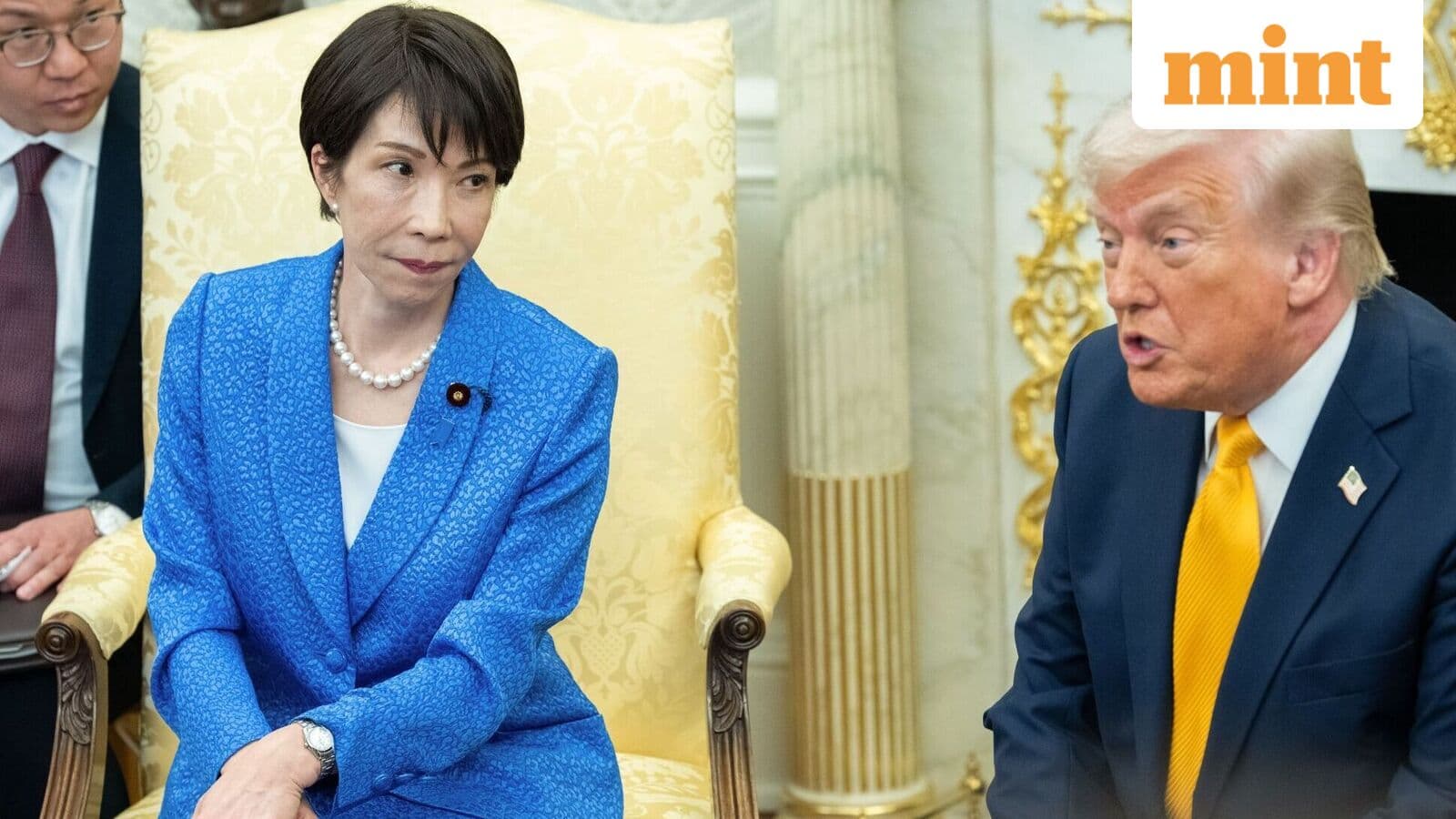
GlipzoIn a surprising turn of events, U.S. President Donald Trump made a striking analogy between Iranian military actions and Japan's infamous attack on Pearl Harbor during a meeting with Japanese Prime Minister Sanae Takaichi at the White House on March 19. Trump's comments have sparked outrage and confusion, leaving Takaichi momentarily speechless.
While discussing the element of surprise in military operations, Trump remarked, "We wanted surprise. Who knows better about surprise than Japan? Why didn't you tell me about Pearl Harbor?" This statement not only echoed a painful chapter in history but also raised eyebrows given the sensitive nature of U.S.-Japan relations. He continued, stating, "You believe in surprise, I think much more so than us.”
The context of this conversation is crucial. The bilateral meeting aimed at strengthening ties amid escalating tensions in the Middle East, particularly surrounding Iran. However, Trump's choice of words has overshadowed the intended diplomatic efforts, raising questions about the appropriateness of such historical references in a modern context.
The Pearl Harbor attack took place on December 7, 1941, when Japan executed a surprise military strike against the U.S. Pacific Fleet stationed in Hawaii. This assault, orchestrated by Admiral Isoroku Yamamoto, involved more than 350 aircraft and resulted in significant casualties and damage.
Key facts about the attack include: - 8 battleships were damaged, with 4 sunk. - Over 180 aircraft were destroyed. - Approximately 2,400 Americans lost their lives, with over 1,100 wounded.
The attack led to the United States declaring war on Japan the very next day, a moment President Franklin D. Roosevelt famously described as a "date which will live in infamy." This marked the beginning of a significant shift in U.S. foreign policy, ultimately leading to America’s involvement in World War II and the defeat of Japan in August 1945.
Trump's comments raise important questions about the implications of historical references in diplomatic discussions. By likening current military strategies to Pearl Harbor, he inadvertently evoked a painful memory for many Americans and created tension in U.S.-Japan relations, which have been characterized by cooperation since the end of World War II.
The U.S. and Japan have maintained a strong alliance, particularly in response to threats from North Korea and China's growing influence in the region. However, Trump's remarks could strain this relationship, especially if perceived as dismissive of Japan's past actions.
In the wake of this incident, it will be essential to monitor how both nations navigate this diplomatic misstep. Prime Minister Takaichi's response will likely play a critical role in determining the future of U.S.-Japan relations. Will she seek to clarify or downplay the comments, or will this lead to a more significant diplomatic rift?
Moving forward, we can expect both countries to engage in damage control, potentially involving statements from both leaders aimed at reaffirming their commitment to their alliance. Observers will also be watching for any shifts in military cooperation or joint statements regarding ongoing tensions in the Pacific region.
As the political landscape evolves, it is crucial for both the U.S. and Japan to prioritize open communication to ensure that historical grievances do not overshadow current partnerships. Only time will tell how this incident will shape the future of their diplomatic ties.
Stay tuned for developments as we continue to follow the latest news on U.S.-Japan relations, military strategies, and international diplomacy.

Tensions soar as the US and Iran engage in air strikes near the Strait of Hormuz, raising concerns over global oil supply and regional stability.
BBC World
Trump's international interventions face serious stalemates. What will this mean for U.S. foreign policy? Explore the critical challenges ahead.
Indian Express
Tehran denies resignation of President Masoud Pezeshkian amid claims of IRGC influence. What does this mean for Iran's political stability? Click to learn more!
Indian Express