
Image: Mint (Business)
Trump calls for global action to secure the Strait of Hormuz, stressing U.S. independence while facing cautious responses from allied nations. What’s next?
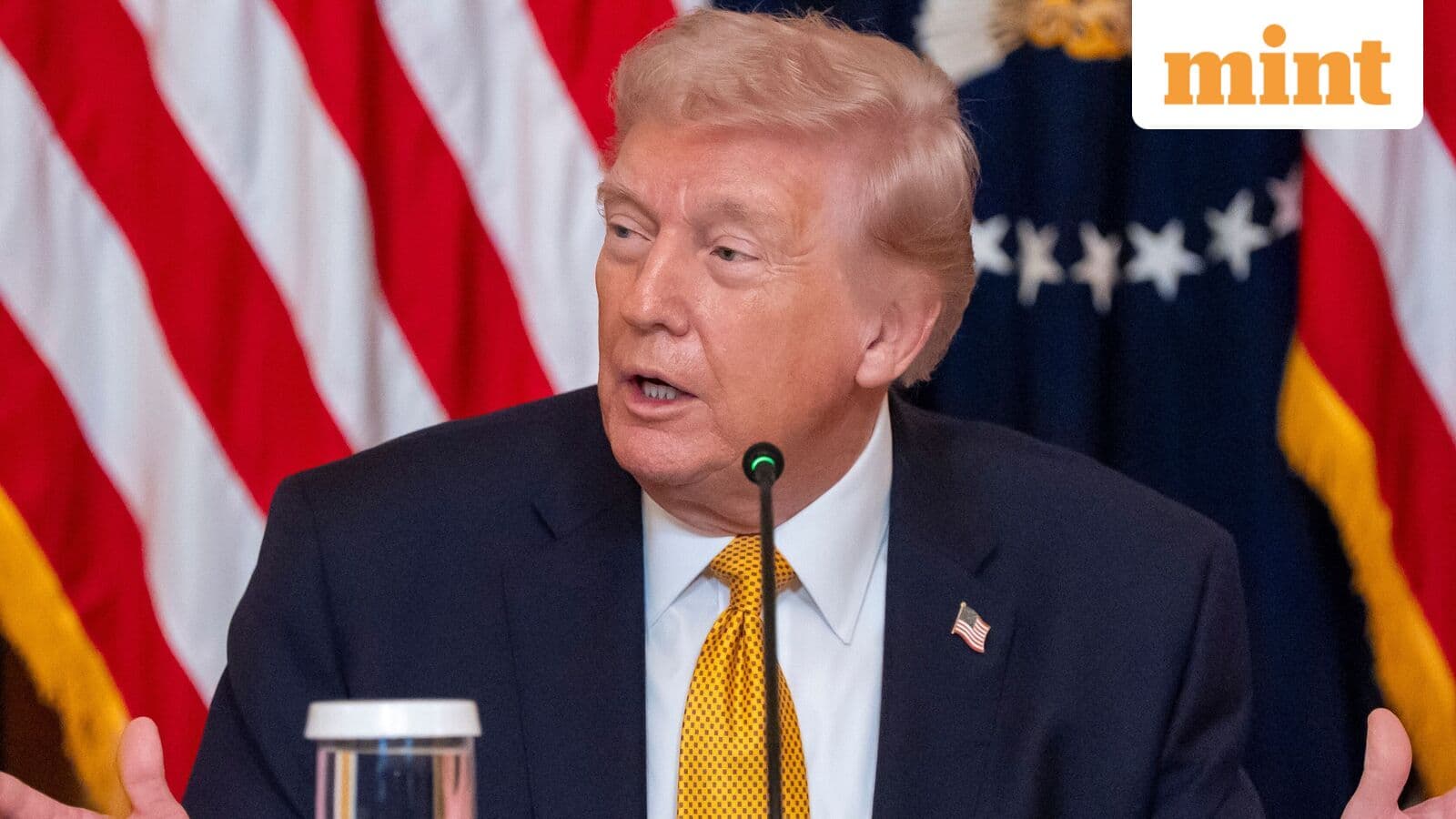
GlipzoIn a renewed push for international cooperation, President Donald Trump has emphasized the need for global partners to step up in securing the Strait of Hormuz, a crucial oil transit route. During a White House event on March 16, Trump urged nations that depend on this vital waterway to actively participate in safeguarding its shipping lanes amidst rising tensions involving the United States, Israel, and Iran.
"We strongly encourage the other nations to get involved with us, and get involved quickly, and with great enthusiasm," Trump stated, reflecting his desire for collective action. However, his remarks also carried a defiant undertone, suggesting that the U.S. could operate independently if necessary. "I don't do a hard sell on them, because my attitude is: we don't need anybody," Trump added, asserting the military dominance of the U.S. on the global stage.
Trump mentioned engaging in discussions with several world leaders to form a coalition aimed at ensuring the security of the Strait. Notably, he highlighted a recent conversation with French President Emmanuel Macron, expressing optimism that France may be inclined to support these efforts. "I spoke to him on March 15. Not perfect, but it’s France — we don’t expect perfect," Trump quipped, hinting at his pragmatic approach to international relations.
Interestingly, Trump indicated that some nations had privately conveyed their willingness to assist but preferred to remain anonymous due to concerns about potential backlash. "They may not want me to share their names because they’re afraid of being targeted," he explained, showcasing the complex dynamics at play in international diplomacy.
In response to Trump's call, UK Prime Minister Keir Starmer affirmed Britain’s readiness to cooperate with allies to ensure safe navigation in the Strait. However, he cautioned that the situation is intricate and emphasized the UK's reluctance to become embroiled in a broader conflict.
Conversely, Chancellor Friedrich Merz of Germany firmly stated that Berlin would not engage in military operations against Iran without a clear international mandate. "We lack the mandate from the United Nations, the European Union or NATO required under the Basic Law," Merz articulated during a press conference, highlighting Germany's position on international military interventions.
Italy's Vice President of the Council of Ministers, Antonio Tajani, echoed similar sentiments, indicating that while Italy supports enhancing EU naval missions in the Red Sea, extending those efforts to the Strait of Hormuz presents significant challenges. Deputy Prime Minister Matteo Salvini warned that deploying military vessels could inadvertently draw Italy into the conflict, asserting, "Italy is not at war with anyone and sending military ships in a war zone would mean entering the war."
In the Asia-Pacific region, key U.S. allies are adopting a cautious stance. Japanese Prime Minister Sanae Takaichi indicated that Japan has yet to finalize any decisions regarding the deployment of escort ships to the Strait, stating that they are still reviewing the legal implications of such actions. Similarly, Australia's Minister for Infrastructure, Transport, and Regional Development, Catherine King, confirmed that Australia would not send any vessels to the Persian Gulf, reinforcing the trend of hesitance among U.S. allies in the region.
The Strait of Hormuz is not just a vital conduit for oil; it represents a flashpoint for geopolitical tensions in the Middle East. Approximately 20% of the world's oil passes through this narrow passage, making its stability crucial for global energy markets. The ongoing conflict between the U.S. and Iran, coupled with the involvement of Israel, has heightened the stakes for international shipping and has prompted calls for a unified response to ensure security in the region.
As nations grapple with the implications of potential military involvement, the responses from global powers will be critical in shaping the future of the Strait. The hesitation displayed by key allies reflects a broader reluctance to engage in military conflicts without a clear mandate, underscoring the complexities of modern geopolitics.
Looking ahead, the international community will be closely monitoring the evolving situation in the Strait of Hormuz. Key questions loom: Will Trump’s appeal result in a unified coalition for maritime security? How will the diplomatic landscape evolve as nations weigh their options? The interplay between military readiness and diplomatic negotiations will be crucial in determining how tensions in the region unfold. As the situation develops, the focus will remain on the responses of global allies and the potential for increased military presence in this vital waterway.
With the backdrop of rising tensions, the Strait of Hormuz remains a focal point of international attention. The actions taken in the coming weeks will not only influence regional stability but could also have far-reaching implications for global oil markets and international relations.

Tensions soar as the US and Iran engage in air strikes near the Strait of Hormuz, raising concerns over global oil supply and regional stability.
BBC World
Trump's international interventions face serious stalemates. What will this mean for U.S. foreign policy? Explore the critical challenges ahead.
Indian Express
Tehran denies resignation of President Masoud Pezeshkian amid claims of IRGC influence. What does this mean for Iran's political stability? Click to learn more!
Indian Express