
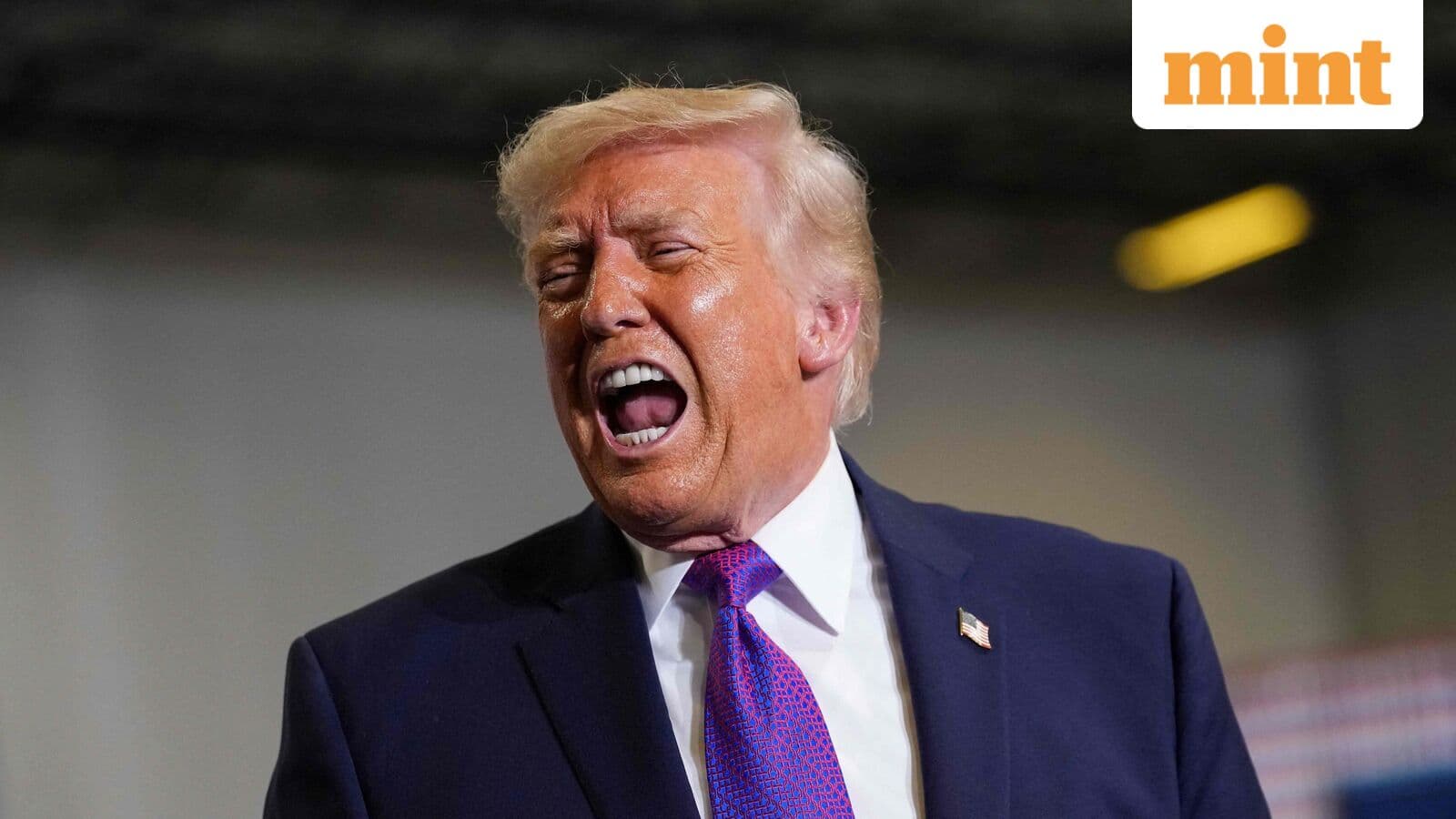
Image: Mint (Business)
Trump warns of military action in the Strait of Hormuz, urging allies to send warships as tensions rise over Iran's maneuvers. What’s next for global oil supply?
GlipzoIn a significant escalation of rhetoric, President Donald Trump has issued a stark warning regarding the Strait of Hormuz, stating that the United States will take aggressive military action. In a post shared on Truth Social, Trump declared that the U.S. “will be bombing the hell out of the shoreline” in response to Iran’s attempts to close this crucial maritime route. The Strait of Hormuz is a vital waterway, responsible for transporting approximately 20% of the world’s oil supply.
Trump's comments come amid rising tensions in the region, with the former president urging other nations to join the U.S. in dispatching naval vessels to the area. He emphasized that countries directly impacted by Iran's maneuvers, including China, France, Japan, South Korea, and the United Kingdom, should collaborate with the U.S. to ensure the waterway remains open and secure.
Amidst Trump's bold assertions, Reuters reported that the White House has not confirmed whether any allied nations have agreed to send their warships to assist in this effort. Trump claimed that the U.S. military had already incapacitated 100% of Iran’s military capability, yet he acknowledged the ongoing threat posed by Iran's potential drone strikes and missile launches.
He stated, “Hopefully, other nations will send ships to the area so that the Hormuz Strait will no longer be a threat by a nation that has been totally decapitated.” This remark underscores the urgency felt by the U.S. regarding Iran's activities in the region.
In a related note, during an interview with Fox News on March 13, Trump indicated that the United States is prepared to escort commercial vessels through the Strait of Hormuz if necessary. He reassured viewers, “We would do it if we needed to,” while expressing optimism that the situation might resolve favorably. Nevertheless, he acknowledged the complexities and risks involved in the current geopolitical climate.
A report from the Wall Street Journal on the same day revealed that the U.S. is contemplating the deployment of additional warships to the Middle East, specifically for the purpose of escorting oil tankers through the strait. However, military officials indicated that such actions would only commence once the perceived threat from Iran diminishes, a process that could take “a month or more.”
The Strait of Hormuz is not only a pivotal shipping lane but also a strategic chokepoint for global oil supply. The ongoing tensions surrounding this area have far-reaching implications for international trade and energy security. With Iran effectively tightening its grip on this critical waterway, the stakes are rising for the U.S. and its allies.
As the region faces escalating military posturing, experts warn that continued conflicts could lead to broader confrontations, impacting global oil prices and security dynamics. The potential for miscalculations or unintended engagements presents a significant risk to all nations involved.
Looking forward, the situation in the Strait of Hormuz remains precarious. Analysts suggest that the U.S. must carefully navigate its military strategy while maintaining diplomatic channels to mitigate conflict. The next steps will be crucial in determining whether the situation can be de-escalated or if it will spiral into a more significant military confrontation.
As tensions continue to simmer, observers should watch for: - Increased military deployments by the U.S. and its allies in the region. - Iran’s military responses and any provocations that could escalate the situation further. - Diplomatic efforts among affected nations to establish communication and collaboration regarding maritime safety. - The impact of these tensions on global oil markets and international relations.
This evolving narrative is not only critical for regional players but also for the entire global economy, with the Strait of Hormuz at the heart of it all.
The situation in the Strait of Hormuz is a litmus test for international cooperation and military strategy in the face of regional threats. The potential for disruption in this crucial waterway could have cascading effects on global energy supplies and geopolitical stability. As nations weigh their options, the world watches closely to see whether diplomacy can prevail over military action in securing one of the planet’s most vital maritime routes.

Survivors of the Laos cave rescue are aiding efforts to find the last two missing men trapped inside, sharing crucial insights for the search operation.
BBC World
A year after the tragic Air India crash, the Ali family reflects on grief, unanswered questions, and the enduring bonds of love in the face of loss.
BBC Business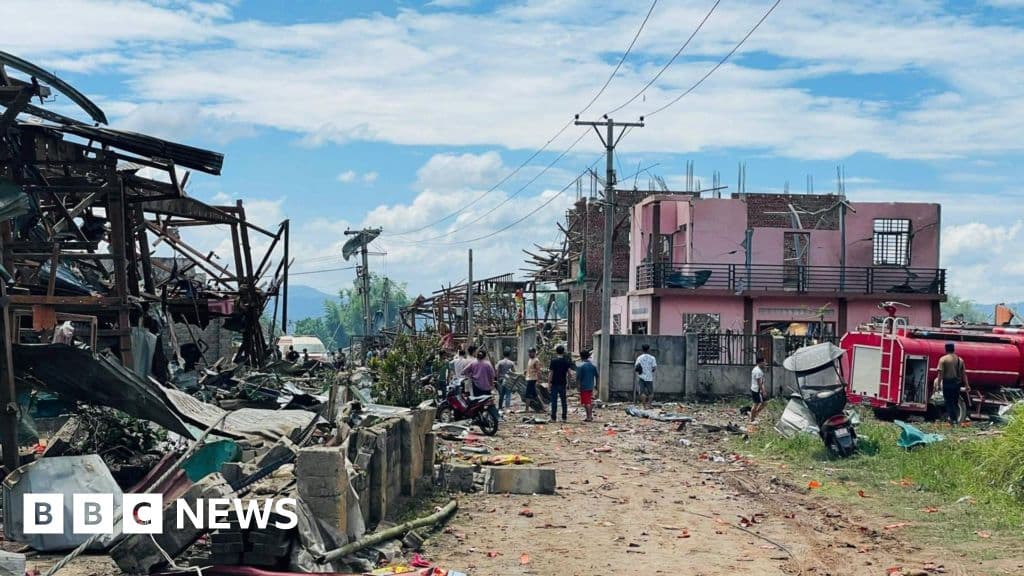
A devastating explosion in Myanmar's Kaung Tat village has killed at least 55 people, raising serious safety concerns and questions about civilian protection in conflict zones.
BBC World