
Image: The Hindu
Trump was warned of possible Iranian retaliation against Gulf allies before strikes. Why this matters for U.S. foreign policy in the Middle East.
GlipzoIn an unexpected twist, President Donald Trump was reportedly cautioned about the potential for Iranian retaliation against U.S. allies in the Gulf region prior to his decision to strike Iran. This information surfaced on March 16, 2026, amidst a backdrop of rising tensions and military actions in the Middle East. Despite Trump's assertions that the Iranian response was a shock, sources within U.S. intelligence have revealed that such a reaction was anticipated, albeit not guaranteed.
Trump's comments came during a board meeting at the Kennedy Center in Washington, where he expressed disbelief that Iran would retaliate against multiple Gulf nations, including Qatar, Saudi Arabia, the United Arab Emirates, Bahrain, and Kuwait. He stated, “They (Iran) weren’t supposed to go after all these other countries in the Middle East. Nobody expected that. We were shocked.” This statement contradicts earlier intelligence assessments that indicated a possible Iranian response to U.S. military actions.
Multiple sources have confirmed that prior to the air strikes initiated on February 28, Trump received intelligence briefings that highlighted the risks associated with attacking Iran. These briefings included warnings that such actions could provoke a broader conflict, particularly affecting U.S. allies in the region. A U.S. official revealed that the intelligence community had assessed that Iran would likely retaliate if it perceived Gulf nations as complicit in the U.S. assaults.
Despite this, the administration did not take preemptive measures to protect diplomatic staff in the region, only ordering evacuations post-strike. The lack of foresight in preparation has raised concerns among lawmakers, with several Democratic representatives expressing disbelief over the justification for the military actions. They reported that during briefings, there were no indications of an immediate threat that warranted such a drastic escalation.
The aftermath of the strikes has seen increased Iranian military activity, including drone and missile attacks targeting U.S. military installations and other strategic sites in the Gulf. Reports indicate that Iran has effectively shut down shipping through the Strait of Hormuz, a critical route for global oil transport, which has subsequently led to spikes in energy prices worldwide. This closure not only threatens the local economies of Gulf nations but also poses a risk to global energy stability.
The U.S. intelligence community had predicted that Iran might seek to disrupt this vital maritime corridor as part of its retaliation strategy. The ongoing situation escalates the urgency for diplomatic solutions to de-escalate the tensions and prevent further military confrontations.
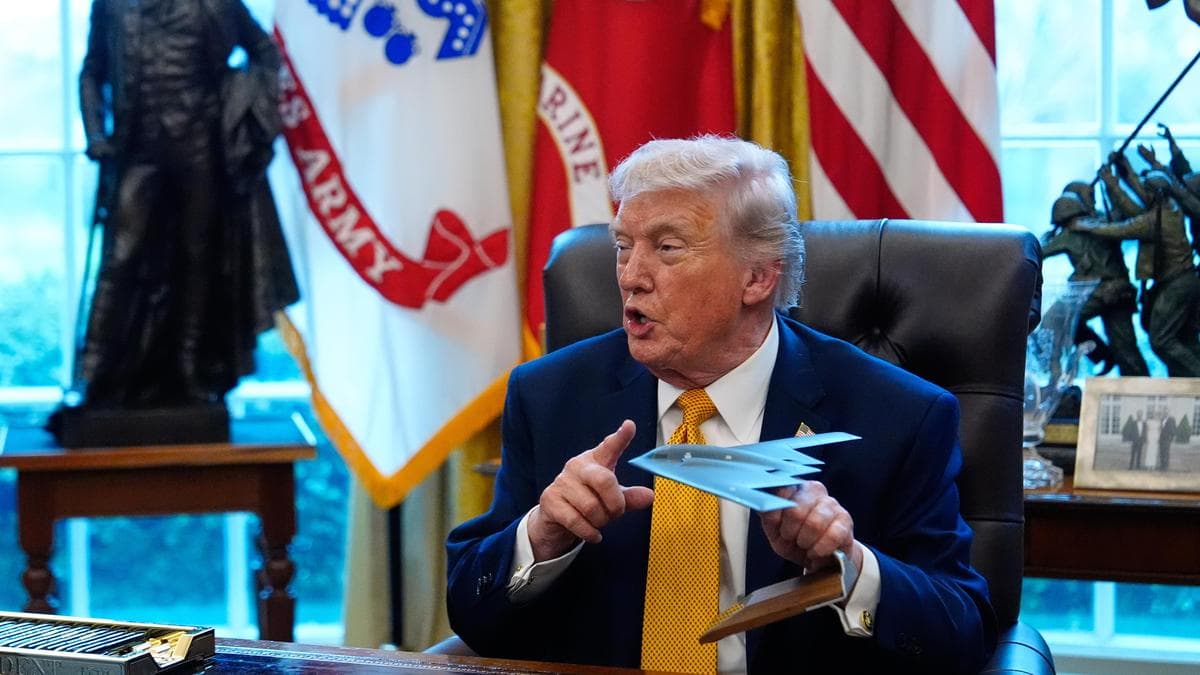
Trump has continued to assert that experts did not foresee the possibility of Iran targeting Gulf nations in response to the U.S. airstrikes. During a signing event in the Oval Office on the same day, he reiterated his surprise, stating, “Nobody, nobody, no, no, no. The greatest experts, nobody thought they were going to hit.” This statement raises questions about the reliability of the intelligence briefings that informed the administration’s military strategy.
As tensions mount, the implications for U.S. foreign policy in the Middle East are profound. The administration's current approach has not only heightened the risk of conflict but also threatens to alienate key allies who may feel vulnerable to Iranian aggression.
The ongoing situation in the Gulf remains precarious, with analysts predicting continued Iranian retaliation and potential escalations. The U.S. must navigate this complex landscape carefully to avoid further inflaming tensions. Observers will be watching closely for several key developments:
In conclusion, the Gulf region stands at a critical juncture, and the decisions made in the coming weeks will significantly shape the future of U.S.-Iran relations and the stability of the broader Middle East.
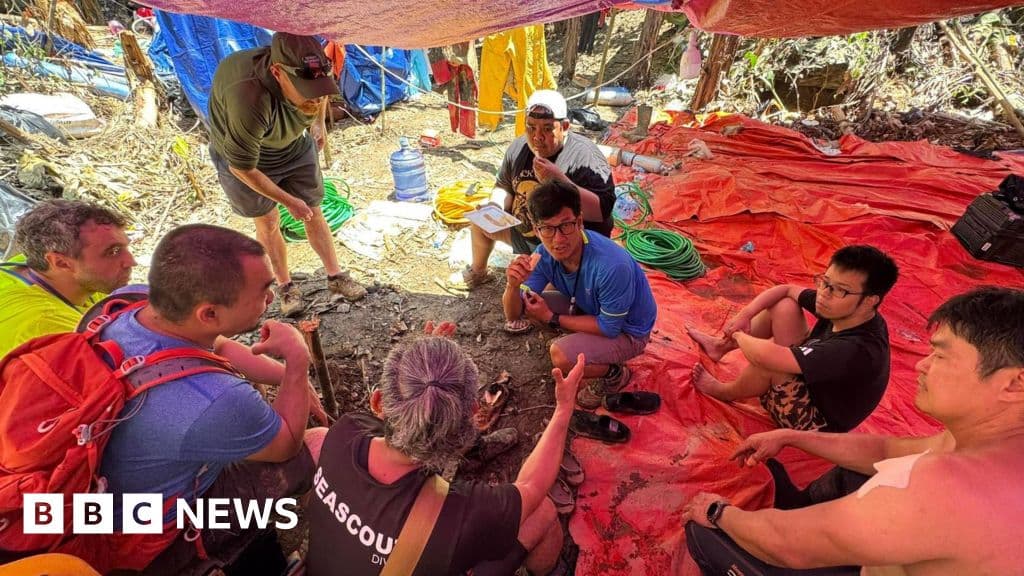
Survivors of the Laos cave rescue are aiding efforts to find the last two missing men trapped inside, sharing crucial insights for the search operation.
BBC World
A year after the tragic Air India crash, the Ali family reflects on grief, unanswered questions, and the enduring bonds of love in the face of loss.
BBC Business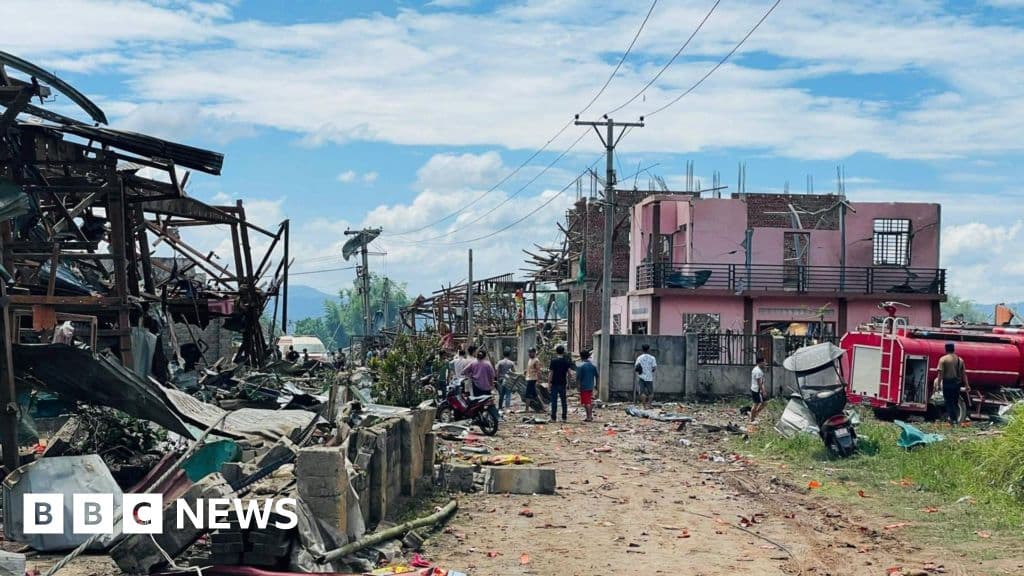
A devastating explosion in Myanmar's Kaung Tat village has killed at least 55 people, raising serious safety concerns and questions about civilian protection in conflict zones.
BBC World