
Image: Mint (Business)
Explore the implications of Trump's meeting with Japan's PM Takaichi amid rising tensions over Iran and the critical Strait of Hormuz.
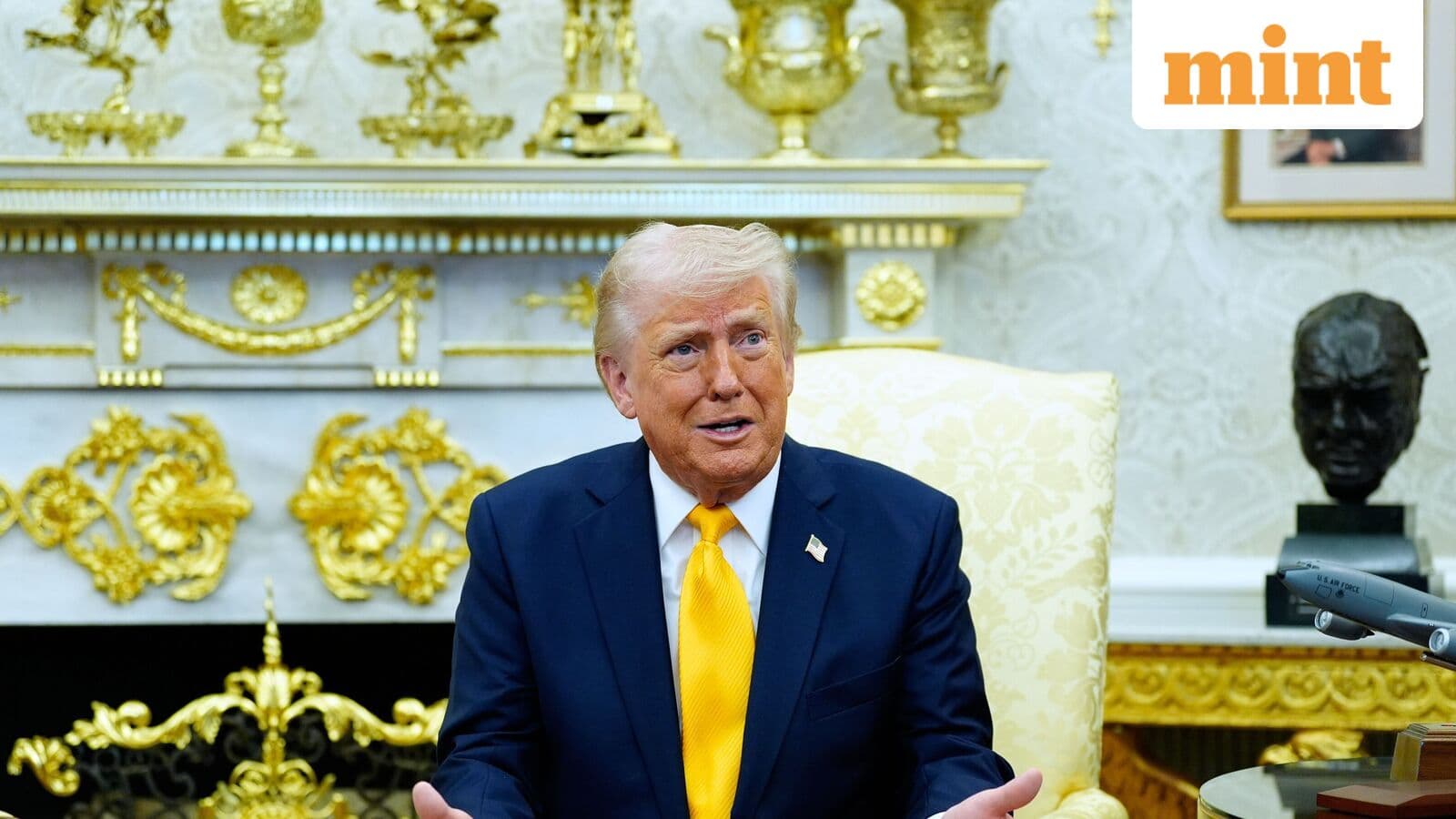
GlipzoOn Thursday, US President Donald Trump warmly welcomed Japanese Prime Minister Sanae Takaichi to the White House, amid rising tensions related to the ongoing conflict in Iran. In a candid moment shared online, Trump embraced Takaichi as they engaged in discussions that hold significant implications for both nations. This meeting marks their second encounter since Takaichi took office last year, following a previous summit in Japan during Trump's Asia tour in October.
The timing of this meeting is crucial, occurring nearly three weeks after the US and Israel initiated strikes against Iran. With the Strait of Hormuz, a vital waterway that accounts for nearly 20% of the world’s oil supply, now under threat due to Iran's Islamic Revolutionary Guard Corps (IRGC) shutting it down, the stakes are incredibly high. Trump’s appeal to allies for assistance in reopening this critical route could potentially create diplomatic tensions, particularly for Takaichi, who may face pressure to support US efforts against Iran.
As the two leaders convened, the question loomed: would Japan, a nation known for its postwar pacifist constitution, support US military actions in the region? Reuters has reported that many US allies are hesitant to engage directly in what they perceive as “America’s war.” This sentiment was echoed during a recent closed-door meeting of European Union members, where several nations declined to send warships to assist.
In response to this reluctance, Trump asserted that the US military is fully capable of handling the situation without external support. However, Takaichi emphasized that Japan had not received any formal requests from Washington regarding military involvement in Iran. Instead, she stated that her government is assessing what actions might be feasible within Japan's constitutional limits.
Ahead of her meeting with Trump, Takaichi communicated Japan’s position regarding the escalating situation in Iran. She indicated to her parliament that Japan would take necessary steps to stabilize energy markets, aligning with several European nations in a joint statement emphasizing safe passage through the Strait of Hormuz. Despite these statements, Takaichi has refrained from offering any military assistance, likely due to domestic unpopularity surrounding the conflict.
US Treasury Secretary Scott Bessent also weighed in on Japan's role, highlighting that the nation imports approximately 95% of its crude oil from the Gulf region. He expressed expectations that Japan would prioritize securing its oil supplies, particularly given its advanced capabilities in naval minesweeping and detection. Bessent's comments suggest that while Japan may not engage militarily, its strategic interests will guide its cooperation with the US.
Takaichi’s visit is part of a broader strategy to reinforce the long-standing security and economic ties between the United States and Japan, one of its closest allies in East Asia. While Takaichi has pushed for a reevaluation of Japan’s pacifist stance, the current geopolitical landscape complicates her position.
With the conflict in Iran proving unpopular domestically, any military support would likely face significant backlash from the Japanese public. Takaichi aims to balance Japan's historical commitment to peace with the pressing need to ensure national and regional security amid rising tensions.
As the discussions between Trump and Takaichi unfold, the world watches closely to see how Japan will navigate this delicate situation. The outcomes of their talks could set the tone for future US-Japan relations, particularly in the context of security in the Asia-Pacific region.
Moving forward, observers should keep an eye on several key developments: - Japan’s Military Stance: Will Tokyo shift its pacifist stance to engage more directly in international conflicts? - US-Japan Strategic Cooperation: How will the two nations enhance their security cooperation in the face of escalating global tensions? - Global Energy Markets: What impact will the actions taken by the US and Japan have on global energy prices and supply?
In conclusion, the meeting between Trump and Takaichi is not just about bilateral relations; it encapsulates the complexities of modern diplomacy, where historical commitments collide with the realities of current geopolitical crises. The world will be watching to see how these discussions unfold and the potential implications for both nations and the broader international community.

Tensions soar as the US and Iran engage in air strikes near the Strait of Hormuz, raising concerns over global oil supply and regional stability.
BBC World
Trump's international interventions face serious stalemates. What will this mean for U.S. foreign policy? Explore the critical challenges ahead.
Indian Express
Tehran denies resignation of President Masoud Pezeshkian amid claims of IRGC influence. What does this mean for Iran's political stability? Click to learn more!
Indian Express