
Image: Mint (Business)
Trump's deployment of ICE agents to airports amid TSA shortages sparks controversy. Explore the implications of this decision and what it means for travelers.
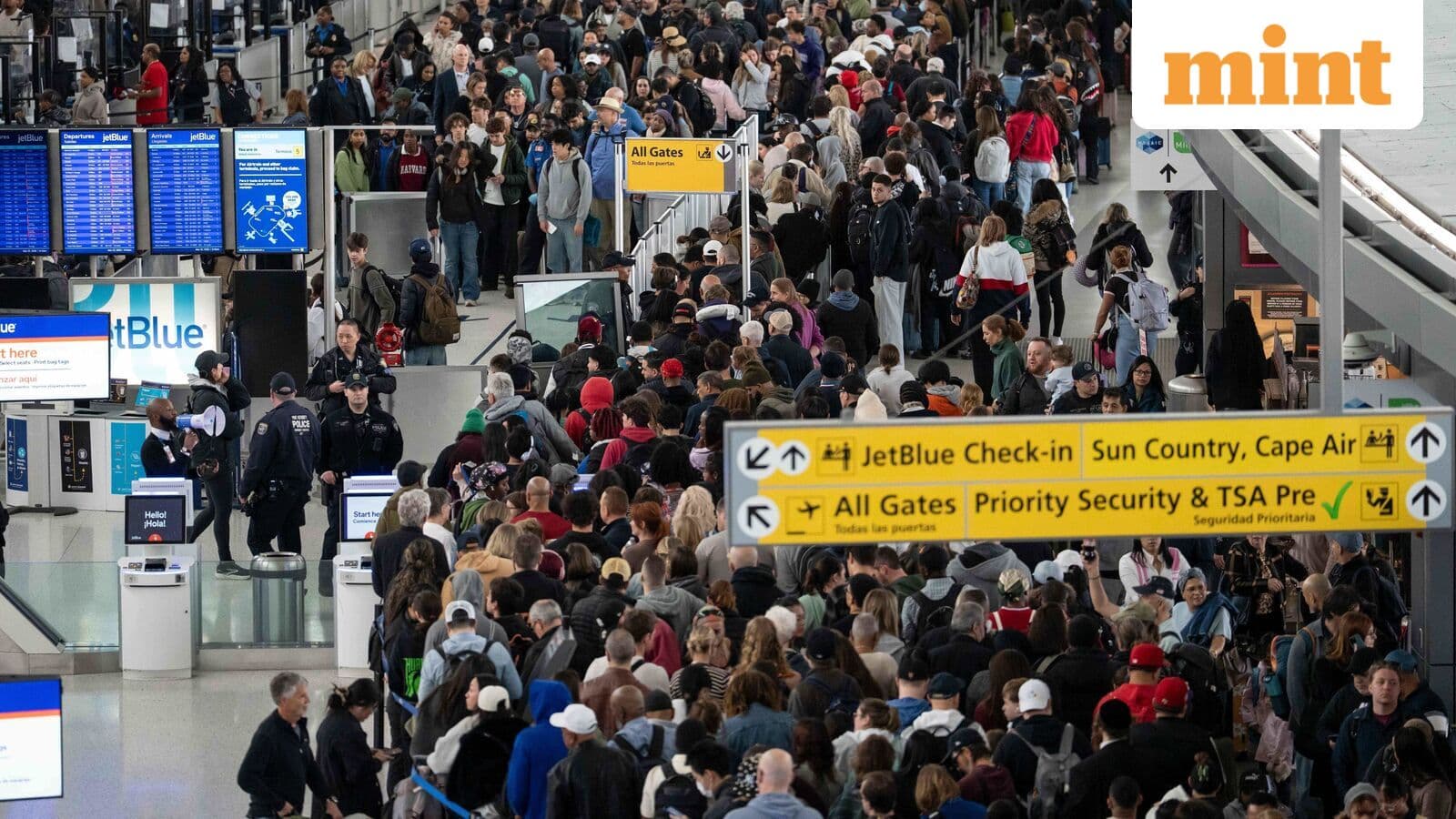
GlipzoIn a surprising announcement on March 22, 2023, President Donald Trump declared that agents from Immigration and Customs Enforcement (ICE) would be sent to airports across the United States starting March 23. This move comes as a reaction to significant staffing shortages within the Transportation Security Administration (TSA), exacerbated by an ongoing partial government shutdown that has left many federal employees working without pay.
In a post shared on Truth Social, Trump described the deployment of ICE agents as a necessary measure to support TSA personnel, who have continued their duties despite the financial strain, stating, “On Monday, ICE will be going to airports to help our wonderful TSA Agents who have stayed on the job despite the fact that the Radical Left Democrats... are endangering the USA by holding back the money.” He further praised Tom Homan, the head of ICE, saying, “THEY WILL DO A FANTASTIC JOB. The great Tom Homan is in charge.” This announcement signals a significant shift in airport security management amid a backdrop of legislative gridlock.
The partial government shutdown, which commenced in mid-February, has severely disrupted airport operations, leading to longer wait times for passengers and heightened tensions among TSA staff. Many TSA officers are currently experiencing their second consecutive missed paycheck, heightening frustrations and contributing to staffing issues at security checkpoints nationwide. Reports indicate that over 10% of TSA officers have called in sick on various days during the shutdown, and more than 400 TSA employees have left their positions since it began.
Travelers have been advised to expect extended wait times at security, with multiple airports already reporting significant congestion. The decision to deploy ICE agents, while intended to alleviate some of this pressure, has raised eyebrows given that these agents lack specific training in TSA's security screening processes. Critics, including some members of Congress and civil liberties organizations, have expressed concerns regarding the appropriateness of this deployment, arguing that it could lead to further confusion and inefficiency in airport security.
The deployment of ICE agents has sparked a wave of backlash from various quarters. Critics argue that bringing in immigration enforcement personnel to handle airport security could potentially escalate tensions and complicate the already challenging environment for travelers. Notably, Elon Musk recently offered to cover the salaries of TSA workers during the government shutdown, highlighting the impact of the funding stalemate on airport operations. However, no official stance has been taken regarding Musk's proposal, leaving the situation in limbo.
As the Department of Homeland Security (DHS) funding impasse continues, bipartisan negotiations are ongoing, but a resolution remains elusive. Lawmakers from both parties have expressed urgency in finding a solution, yet the deadlock persists, leaving airports in a precarious position as they navigate the current crisis.
The deployment of ICE agents to assist TSA operations is a notable development with potential long-term implications for airport security and immigration policy. As the government shutdown drags on, it raises questions about the effectiveness of emergency measures taken to address staffing shortages and the potential consequences for travelers. Here are some critical points to consider:
As negotiations continue in Congress, the future of airport operations hangs in the balance. Travelers should remain vigilant, as the uncertainty surrounding funding for the DHS and the ongoing government shutdown means that changes could happen rapidly. Key areas to watch include:
As the situation evolves, both travelers and airport officials will need to stay informed about developments to navigate the complexities of air travel during these tumultuous times.
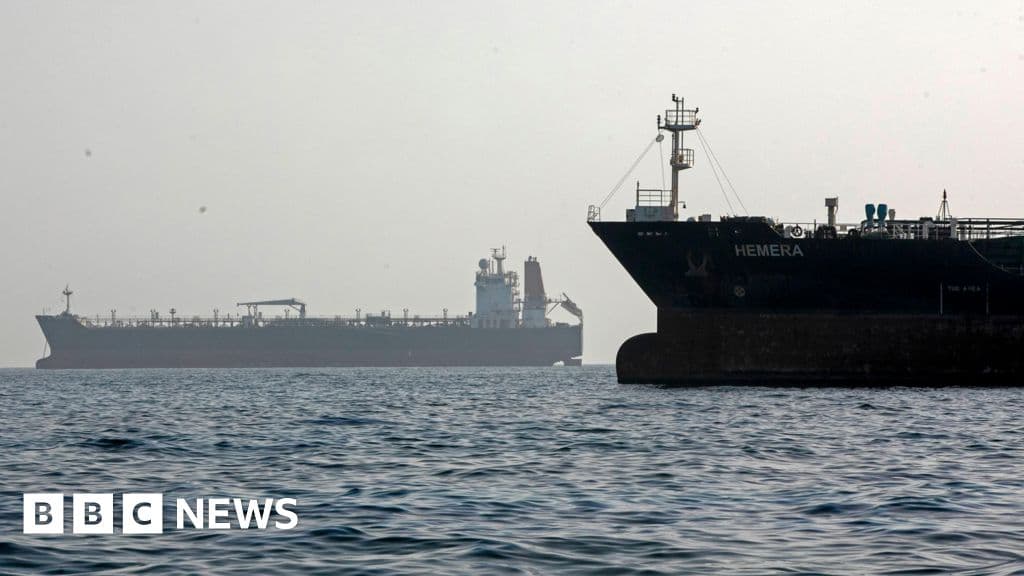
Tensions soar as the US and Iran engage in air strikes near the Strait of Hormuz, raising concerns over global oil supply and regional stability.
BBC World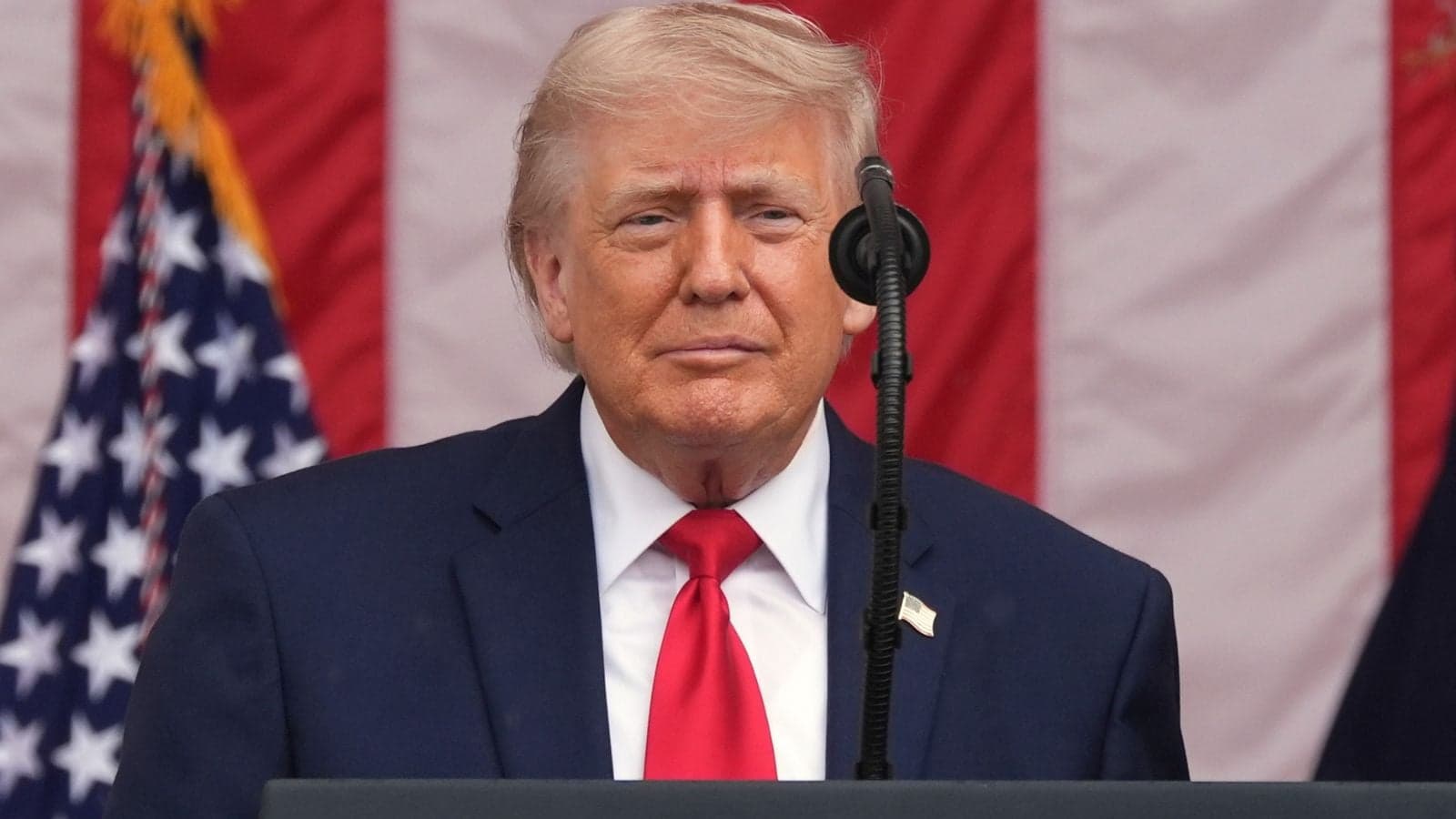
Trump's international interventions face serious stalemates. What will this mean for U.S. foreign policy? Explore the critical challenges ahead.
Indian Express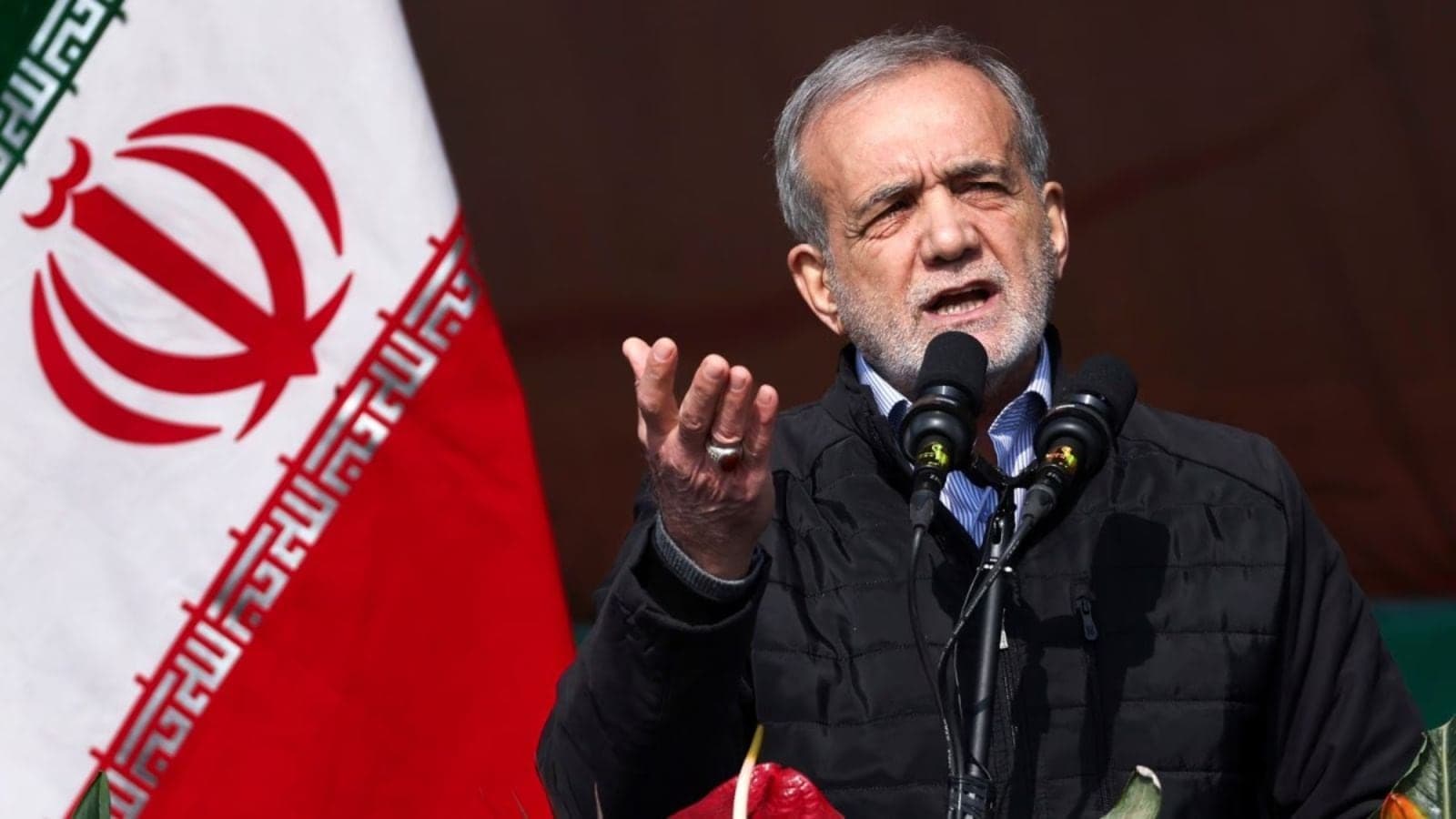
Tehran denies resignation of President Masoud Pezeshkian amid claims of IRGC influence. What does this mean for Iran's political stability? Click to learn more!
Indian Express