
Image: BBC World
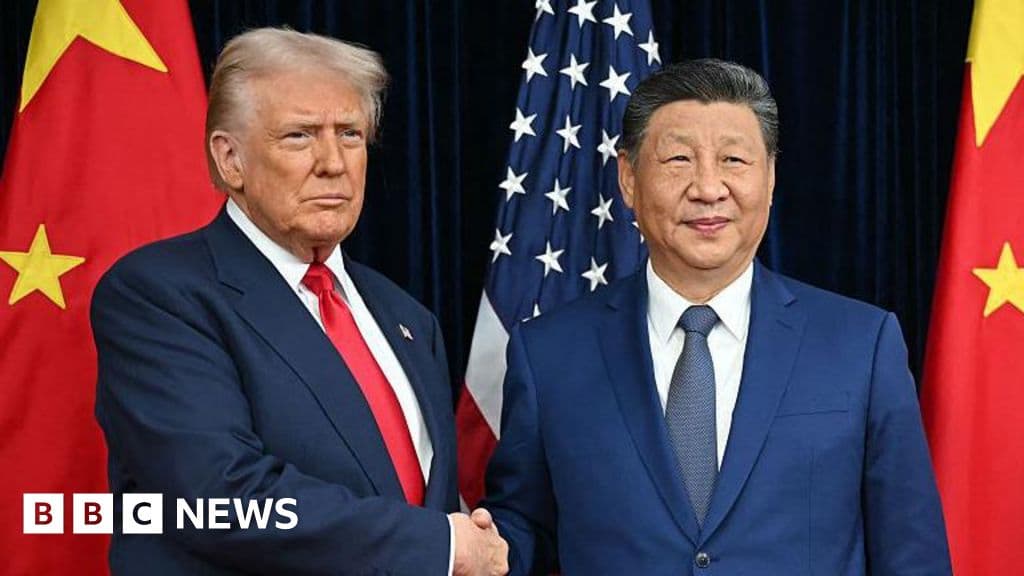
Trump delays crucial meeting with Xi over Iran war tensions. What does this mean for U.S.-China relations? Click to find out more.
GlipzoIn a significant diplomatic shift, President Donald Trump announced on Monday that he plans to postpone his upcoming visit to China, originally scheduled for late March, by approximately one month. The decision comes amid escalating tensions surrounding the Iran war, which has taken center stage in U.S. foreign policy priorities. "We've requested that we delay it a month or so," Trump stated during a press briefing at the White House, emphasizing the necessity of his presence to oversee the conflict.
The meeting between Trump and Chinese President Xi Jinping was set to occur from March 31 to April 2, marking their first in-person discussions since October. However, the ongoing war in Iran has prompted this change in plans. The U.S. is currently facing significant challenges, including disruptions to global oil supplies and rising prices at home, all of which are influenced by the conflict in the Middle East.
Chinese foreign affairs spokesman Lin Jian confirmed that discussions between Beijing and Washington are ongoing regarding the rescheduling of Trump’s visit. The diplomatic dialogue is critical as both nations navigate their complex relationship amidst the backdrop of the Iran war.
Trump's rationale for delaying the meeting is rooted in national security concerns. He remarked, "There’s no tricks to it either. It’s very simple. We’ve got a war going on. I think it’s important that I be here." His comments underscore the administration's focus on managing the conflict effectively. This decision highlights the precarious balance the U.S. must maintain between engaging with China and responding to immediate global threats.
Treasury Secretary Scott Bessent further clarified that the postponement is not linked to any requests for assistance from China regarding the Gulf situation or trade disagreements. Instead, he emphasized the need for the President to remain in Washington to coordinate the war effort.
Trump's remarks about the potential delay also come in the context of recent statements he made to the Financial Times, indicating that if China does not assist in securing the Strait of Hormuz, he might consider further postponing the meeting. The Strait is a vital shipping route for energy exports, and any instability there poses risks to global markets.
As tensions rise, Washington has called on other nations to collaborate in ensuring safe passage for vessels through this critical channel. The situation exemplifies the intricate web of international relations where economic and military interests intersect.
The unfolding situation has led to increased frictions between the U.S. and China, the world’s two largest economies. Notably, Beijing is a key buyer of Iranian energy, which has put it at odds with U.S. policies concerning Iran. In a notable move, Washington announced plans to investigate trade practices among several countries, including China, especially after the Supreme Court struck down Trump’s tariff policies earlier this year.
In recent meetings held in Paris, representatives from both nations have engaged in discussions regarding investment, tariffs, and economic sanctions. According to Li Chenggang, a Chinese trade representative, both sides achieved consensus on several issues and agreed to continue negotiations.
The discussions also included reviews of changes to U.S. tariff measures, which have become a point of contention in U.S.-China relations. Chinese negotiators have expressed serious concerns regarding Washington's intentions to probe its trade practices and have urged the U.S. to prioritize economic stability.
As the situation evolves, the international community is closely monitoring how these developments will affect global economic dynamics and the delicate relationship between the two superpowers.
Looking forward, the rescheduling of Trump’s visit to China may serve as a critical turning point in U.S.-China relations. As both countries grapple with the implications of the Iran war and its influence on global oil markets, the outcome of ongoing negotiations will be essential in determining the trajectory of their relationship.
In the coming weeks, key indicators to watch will include: - Further developments in the Iran conflict and how they impact global oil prices. - The outcome of U.S. investigations into trade practices and how China responds. - Continued negotiations in Paris and the potential for breakthroughs regarding tariffs and investments.
Ultimately, how Trump and Xi navigate these challenges could define not only their bilateral relationship but also the geopolitical landscape in the years to come.

Tensions soar as the US and Iran engage in air strikes near the Strait of Hormuz, raising concerns over global oil supply and regional stability.
BBC World
Trump's international interventions face serious stalemates. What will this mean for U.S. foreign policy? Explore the critical challenges ahead.
Indian Express
Tehran denies resignation of President Masoud Pezeshkian amid claims of IRGC influence. What does this mean for Iran's political stability? Click to learn more!
Indian Express