
Image: BBC Business
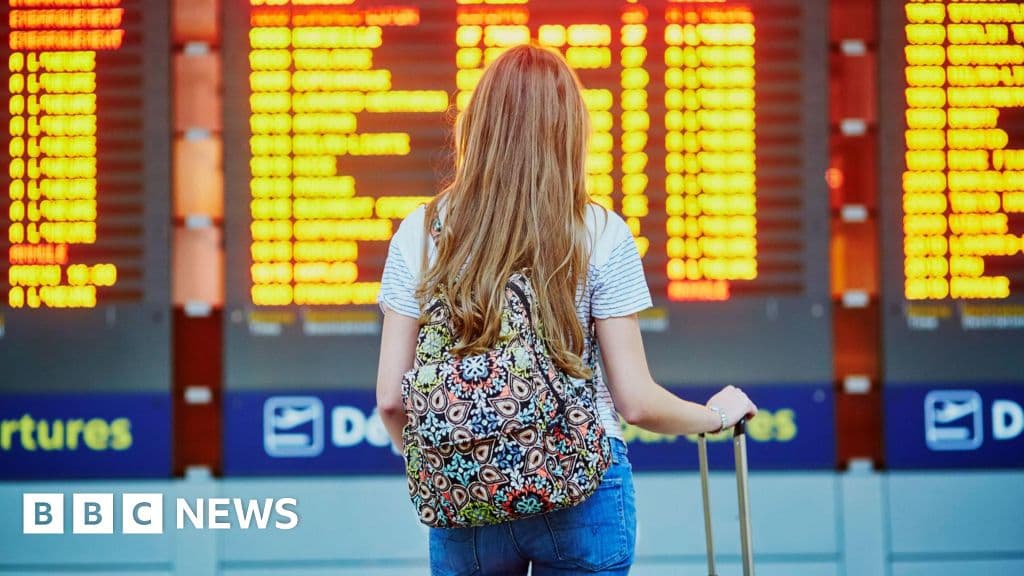
Travelers are urged not to change plans over jet fuel fears. The UK faces no shortages, ensuring smooth travel for upcoming holidays.
GlipzoHolidaymakers are receiving strong recommendations not to alter their travel arrangements due to fears surrounding jet fuel availability. The UK currently faces no jet fuel shortage, and robust contingency measures are in place to ensure smooth operations.
Despite a significant cut of 13,000 flights globally in May—a mere 1% of all flights worldwide—the situation in the UK remains stable. The conflict in the Middle East has driven up jet fuel prices, affecting airlines everywhere, but the UK's aviation sector is holding steady.
A recent report from Cirium, an aviation analytics firm, highlights that cities like Munich and Istanbul are experiencing the most significant disruptions due to these fuel price hikes. However, UK travelers can rest assured as the Department for Transport (DfT) has confirmed that there is no need to change travel plans.
In an official statement, the DfT emphasized that UK airlines procure jet fuel in advance, and airports maintain adequate reserves to ensure resilience. They reassured travelers: - If flights face cancellations, passengers hold legal rights, including full refunds or re-routing options. - Travelers are encouraged to check with their airlines for updates and to review travel advisories from the FCDO to stay informed about any changes. - Securing appropriate travel insurance is also highly recommended.
British airlines and travel agencies are currently operating without issues related to fuel supply. The government's contingency plans are particularly beneficial, as they allow airlines to maintain their take-off and landing slots even if flights are canceled. This safety net is crucial, especially as the English half-term holidays approach at the end of the month.
Tim Alderslade, the chief executive of Airlines UK, reassured the public that fuel shortages are not leading to flight cancellations. He stated, "UK airlines are fully prepared to operate their complete schedules this summer, including during the May half-term."
ABTA, which represents British travel agents, echoed this sentiment. CEO Mark Tanzer noted, "Planes are taking off daily, and holidaymakers are indeed traveling as planned." He reinforced the message that there are no current issues with fuel supply and that trips scheduled for the coming months, including the May half-term, are expected to proceed as planned.
According to the Advantage Travel Partnership, which represents smaller travel agencies, flights to popular summer destinations remain unaffected. CEO Julia Lo Bue-Said mentioned that while airlines might review poorly performing routes and make adjustments, the overall impact of May's flight cancellations would likely be negligible.
Consumer group Which? estimates that, under typical circumstances, airlines cancel about 2% of flights the day before departure. This statistic indicates that cancellations are not out of the ordinary, even when fuel prices fluctuate.
The ongoing conflict has dramatically affected jet fuel prices, which have more than doubled since the war began. In late February, one tonne of jet fuel was priced at $831, but by early April, it surged to a staggering $1,838. Currently, prices hover around $1,500, leading some airlines to increase ticket prices, particularly for long-haul flights. Major carriers like Air France, KLM, and Delta have already adjusted their summer schedules accordingly.
Lufthansa, a prominent German airline, announced that it would be cutting 20,000 flights from now until the end of October. Their finance chief indicated that while fuel supplies are secured until June, contingencies might involve adding refuelling stops on certain longer routes.
Budget airlines such as Wizz Air and easyJet have expressed confidence that they will not need to cancel flights, with Wizz Air's CEO noting that some flight prices in Europe are decreasing as airlines aim to attract cautious travelers.
In mid-April, the head of the International Energy Agency (IEA) warned that Europe could face jet fuel shortages by June unless alternative sources are secured. This statement adds a layer of complexity to the current landscape, but airlines are actively working to mitigate risks.
Rory Boland, Editor of Which? Travel, highlighted that package holidays offer travelers greater protection, as operators have legal obligations to assist customers if their plans are disrupted. The UK government's policies allow airlines to cancel flights well in advance without losing their valuable take-off and landing slots, providing an additional layer of security.
As we look ahead, travelers should stay informed and proactive. Monitoring airline updates and ensuring travel insurance will be vital as the industry navigates these challenging times. With summer approaching, one thing is clear: travelers can expect an evolution in the aviation landscape, and staying updated will be key to a worry-free holiday.
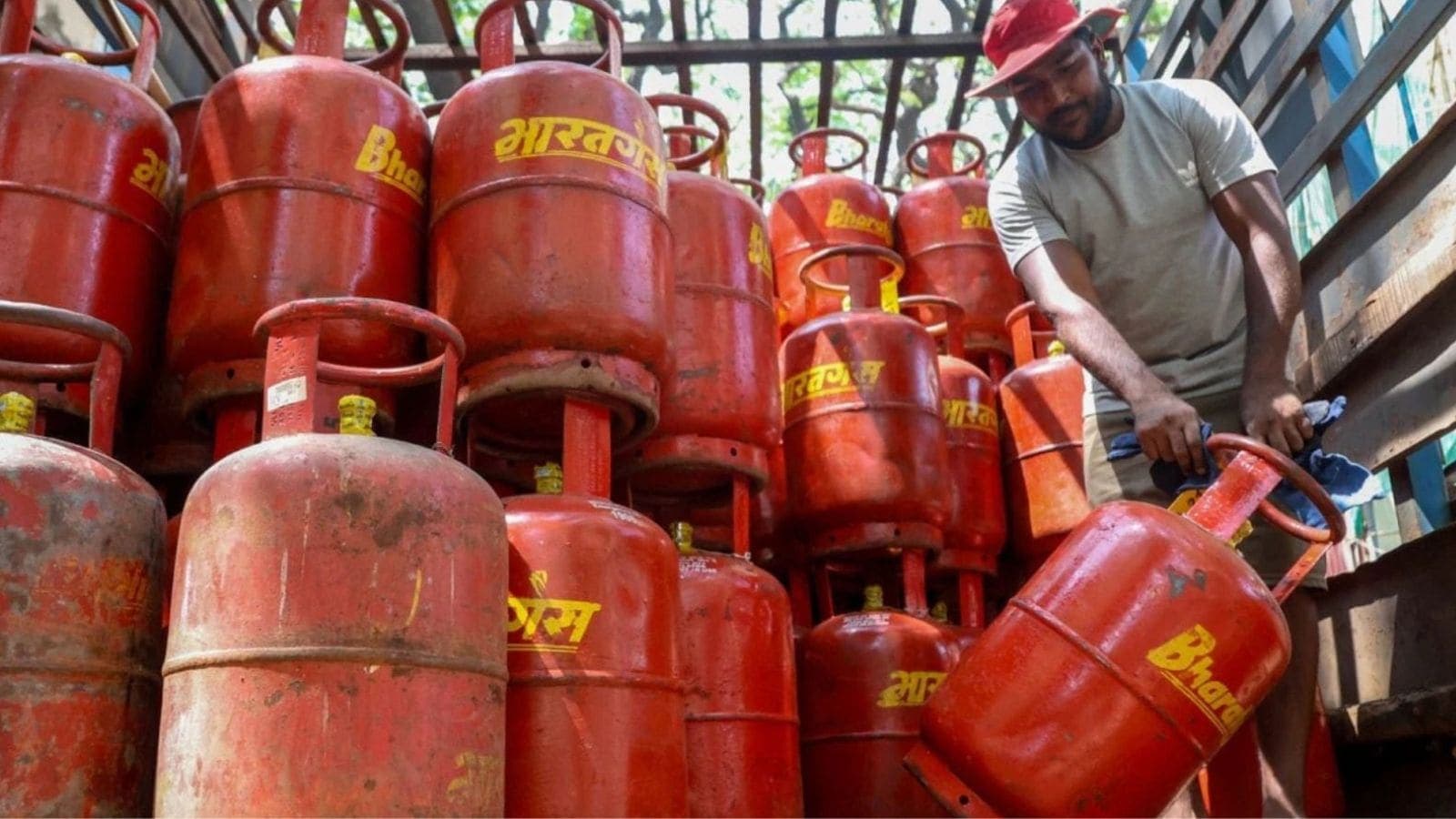
Commercial LPG prices have risen again, with increases of ₹42 in Delhi and ₹53.50 in Kolkata impacting businesses and consumers alike. Find out more.
Indian Express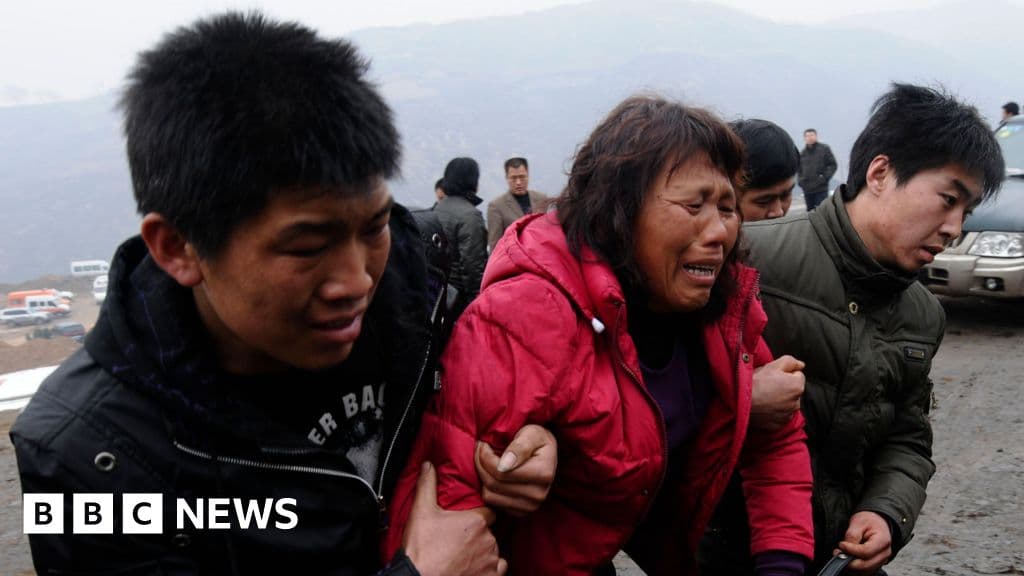
Discover how a tragic coal mine explosion in Shanxi, China, reveals ongoing safety concerns in the industry amidst a push for green energy.
BBC Business
Montek Singh Ahluwalia highlights key economic challenges for India, emphasizing the need for a strategic approach to balance payments and investment.
Indian Express