
Image: BBC World
Three Israeli airstrikes in Lebanon killed paramedics, sparking outrage. Discover the implications of this tragic escalation in the ongoing conflict.
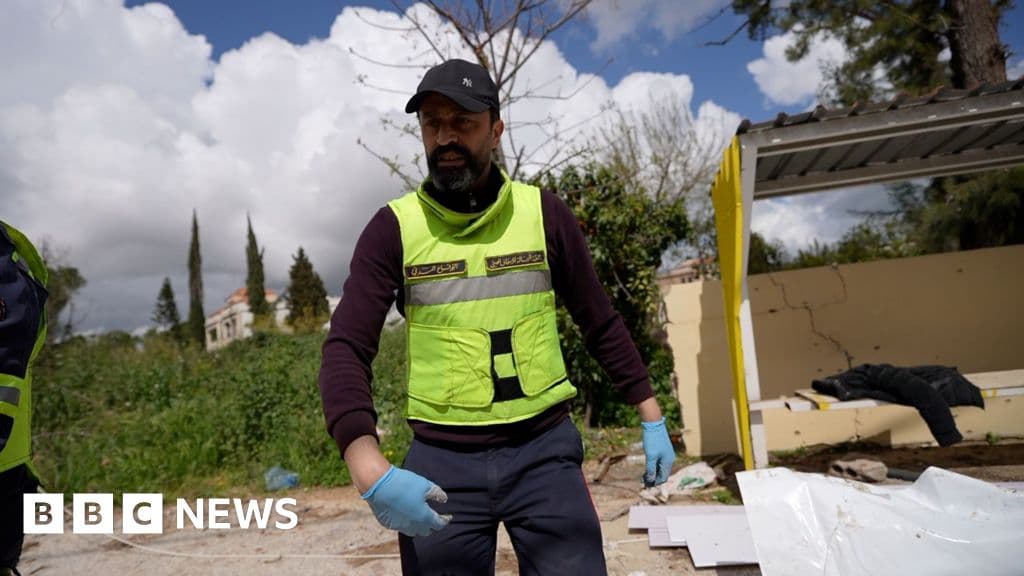
GlipzoIn a shocking escalation of violence, three Israeli airstrikes have resulted in the tragic deaths of at least three paramedics in southern Lebanon. This incident has sparked outrage among Lebanese officials who accuse the Israeli military of intentionally targeting health workers amid the ongoing conflict with Hezbollah. The attacks occurred on Wednesday in the town of Mayfadoun, located in the Nabatieh region, as paramedics attempted to rescue individuals injured in previous assaults.
The Lebanese health ministry reported that a team from the Islamic Health Association was struck as they provided aid to victims of the first Israeli airstrike. Tragically, one paramedic was killed, while another remains unaccounted for. A second group responding to the same site faced a similar fate, leading to further injuries among the paramedic team. The situation escalated when ambulances from the Risala Scout Association and the Nabatieh Ambulance Service, which were also dispatched to assist, came under fire, resulting in the loss of two additional paramedics and injuries to three others.
Among the victims of these airstrikes was Fadel Serhan, a dedicated 43-year-old paramedic affiliated with the Risala Scout Association. Just days prior to this tragic event, BBC reporters had spent time with Serhan’s team in Nabatieh, a region that has consistently faced bombardment from Israeli forces throughout the ongoing conflict with Hezbollah, which began on March 2.
Fadel Serhan was known for his unwavering dedication to helping others, even at great personal risk. His colleague, Ali Nasreddine, reflected on their 30-year friendship, describing Serhan as generous and filled with humanity. “He had a very high sense of humanity and a great sense of humor,” Nasreddine recalled. “In the previous war, he stayed to offer help, and this time was no different. I'll always remember him as a loving father, brother, and friend.”
The ongoing conflict in Lebanon has taken a devastating toll, with over 2,100 deaths and approximately 7,000 injuries reported since hostilities began. The Lebanese health ministry’s statistics are stark, revealing that among the dead are at least 260 women and 172 children. The medical community has not been spared either; a disheartening 91 health professionals have been killed, with 208 others wounded. Reports indicate that more than 120 Israeli attacks have targeted ambulances and medical facilities, raising serious concerns about the safety of healthcare workers in war zones.
The Islamic Health Association, linked to Hezbollah, and the Risala Scout Association, affiliated with the Amal Movement, a Shia Muslim group, have been at the forefront of providing emergency medical services. However, accusations have flown from both sides. Israel has claimed that Hezbollah misuses ambulances and medical facilities for military operations, but no conclusive evidence has been presented. In response, Lebanon’s health minister has firmly denied these allegations.
In light of the recent attacks, Lebanon’s health ministry condemned the airstrikes as a “flagrant crime,” asserting that paramedics have become targets in a blatant violation of international humanitarian law. The ministry highlighted the relentless pursuit of health workers, which is a serious concern under established humanitarian principles.
Kristine Beckerle, deputy director of Amnesty International for the Middle East and North Africa, emphasized the protections afforded to civilians under international law. “Deliberately striking medics performing their humanitarian functions is a serious violation of international humanitarian law and could constitute a war crime,” Beckerle stated. Her remarks underscore the gravity of the situation, as the lives of civilians and healthcare workers hang in the balance amidst this conflict.
As tensions escalate, the situation in Lebanon remains precarious. The mounting casualties and the deliberate targeting of healthcare workers raise urgent questions about the future of humanitarian efforts in the region. With both sides accusing each other of war crimes, the international community must take notice and respond appropriately.
Key players in the region, including humanitarian organizations, governments, and international bodies, will need to address the humanitarian crisis unfolding in Lebanon. As the conflict continues, eyes will remain on the Israeli military’s actions and the responses from Hezbollah and Lebanese officials. The world watches closely, hoping for a resolution that prioritizes the protection of innocent lives and restores peace to a region long afflicted by war.
The path forward is uncertain, but the need for dialogue and adherence to international humanitarian principles has never been more paramount. As the situation develops, it is crucial to monitor how both sides adjust their strategies and what measures the international community will undertake to ensure the safety of civilians and healthcare workers caught in the crossfire.
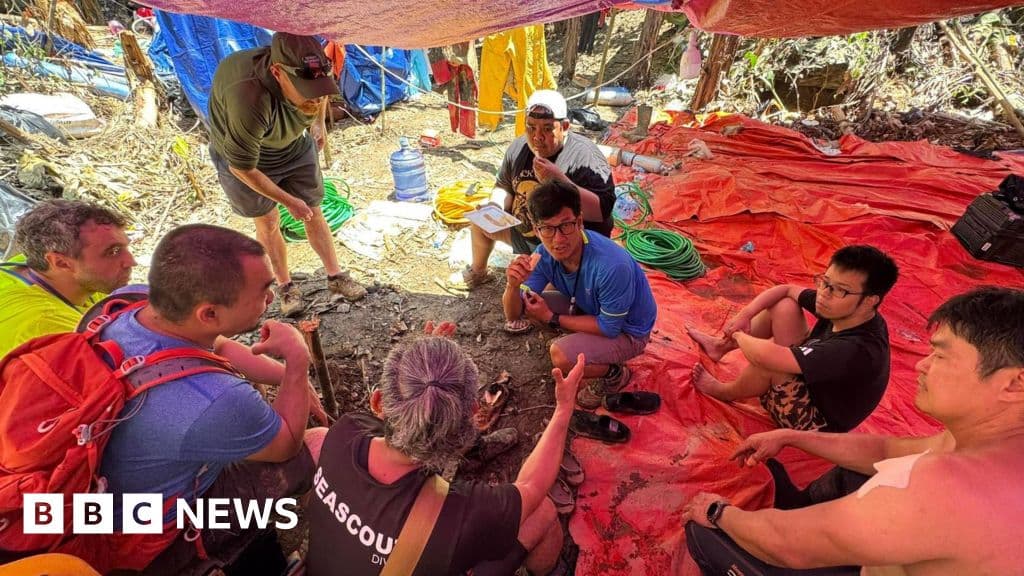
Survivors of the Laos cave rescue are aiding efforts to find the last two missing men trapped inside, sharing crucial insights for the search operation.
BBC World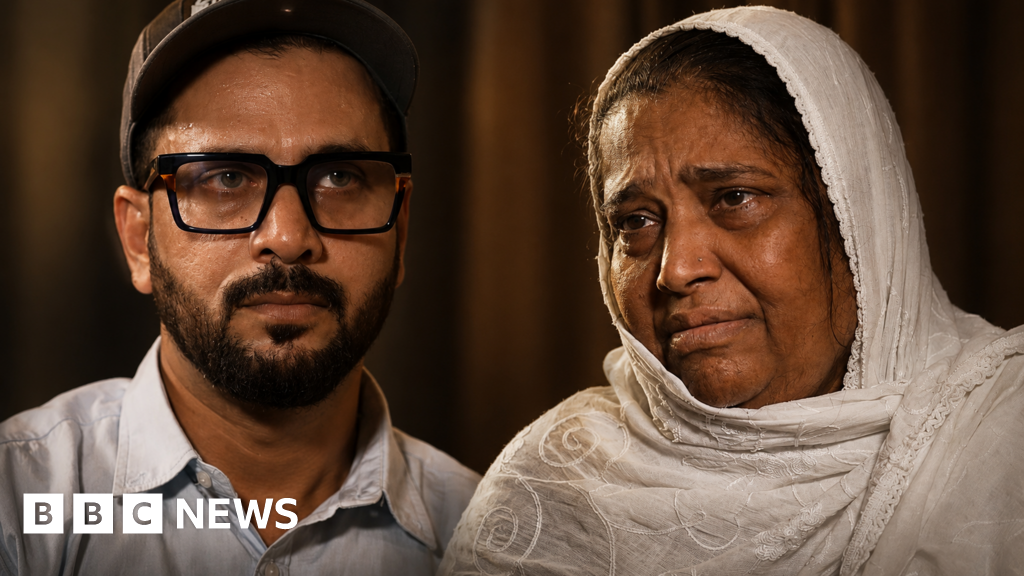
A year after the tragic Air India crash, the Ali family reflects on grief, unanswered questions, and the enduring bonds of love in the face of loss.
BBC Business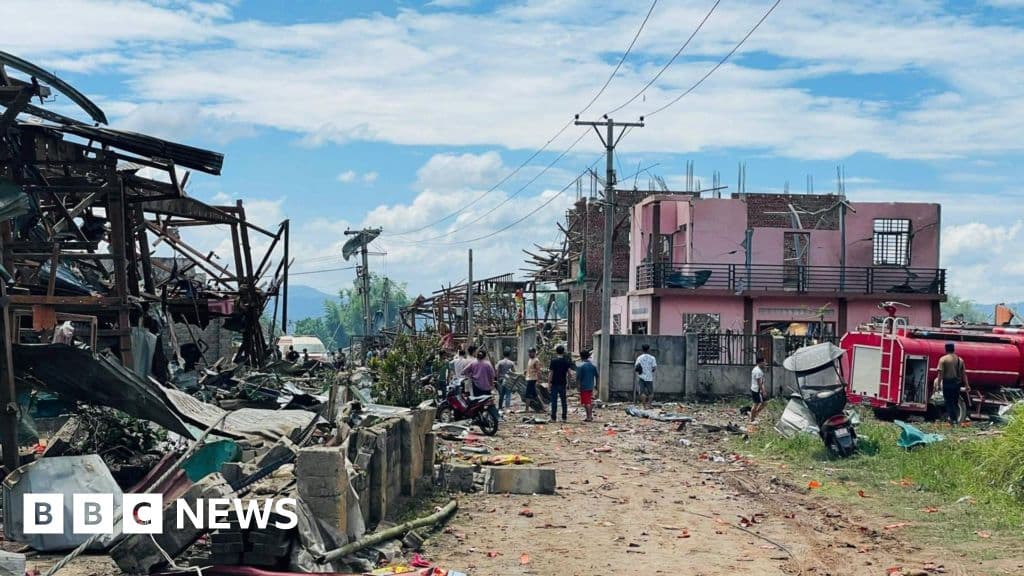
A devastating explosion in Myanmar's Kaung Tat village has killed at least 55 people, raising serious safety concerns and questions about civilian protection in conflict zones.
BBC World