
Image: BBC World
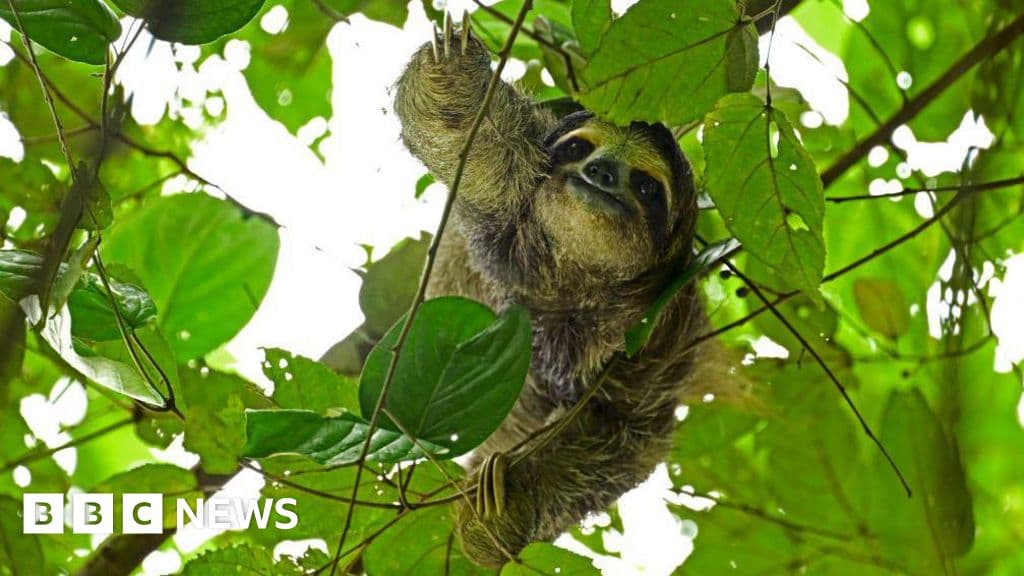
Shocking reports reveal the deaths of 31 sloths before the opening of Sloth World in Orlando. What led to this tragedy and what happens next?
GlipzoIn a heartbreaking turn of events, 31 sloths that were slated to feature in Orlando's new Sloth World attraction have tragically died before its official launch. The sloths were meant to be part of a unique exhibit called the slothnarium, which aimed to provide an immersive experience showcasing these beloved creatures. Scheduled to open this spring, the attraction is now shrouded in controversy following a report by the Florida Fish and Wildlife Conservation Commission (FWC).
The report reveals that many sloths succumbed to adverse conditions in a Florida warehouse where they were kept prior to their arrival at Sloth World. Some sloths arrived in poor health or already deceased, raising serious questions about the care provided during their transportation. The findings have sparked outrage among animal rights advocates and prompted investigations by multiple regulatory bodies.
Despite the damning report, Ben Agresta, the owner of Sloth World, has rejected the claims made by the FWC. He asserts that the sloths infected by a virus exhibited no symptoms that could have been detected even post-mortem. In an interview with Fox-35 in Orlando, Agresta stated, "The truth is, we lost sloths that had a virus of which showed barely any symptoms and was undetectable even after necropsy."
This denial comes amidst scrutiny regarding the conditions in which the sloths were kept. The report details a troubling incident where 21 sloths shipped from Guyana died due to exposure to cold temperatures. Additionally, two out of ten sloths arriving from Peru were found dead, while the remaining eight presented serious health issues. The FWC investigators learned from Peter Bandre, listed as the attraction's vice-president, that the warehouse was inadequately prepared to receive the animals. He declared, "It was too late to cancel the shipment," further complicating the situation.
The FWC's investigation uncovered alarming conditions at the warehouse, including a lack of essential utilities like water and electricity. To combat the cold, space heaters were employed, but they malfunctioned, leaving the sloths without heat for at least one night. This is particularly concerning given that sloths typically thrive in warm, tropical environments with temperatures between 70°F - 86°F (21°C - 30°C). Historical weather data indicates that temperatures dipped as low as 46°F (7°C) shortly after the sloths arrived in December 2024.
Moreover, the FWC reported that some of the sloths under Bandre's care were housed in cages that failed to meet the captive wildlife requirements, leading to a verbal warning at the time of inspection. Despite these findings, the FWC closed its investigation without issuing any written warnings or citations, although other regulatory bodies are still looking into the matter.
With the opening of Sloth World now uncertain, additional investigations are underway, including a stop work order issued by Orange County's Building Safety office. This order cites alleged violations of state building codes and county regulations at the warehouse where the sloths were housed. Local news reports indicate that more than a dozen remaining sloths are currently being cared for at another zoo in Central Florida, raising further questions about the future of the attraction.
The revelations surrounding Sloth World have not only drawn the attention of animal rights advocates but also prompted critical responses from lawmakers. Florida state Representative Anna Eskamani highlighted the case as indicative of a major gap in wildlife permitting processes, emphasizing that the FWC is not required to be notified of such animal deaths in transit.
The troubling circumstances surrounding the deaths of these sloths serve as a chilling reminder of the challenges faced by wildlife transport and exhibition. Animal welfare advocates argue that these incidents expose significant flaws in regulatory oversight and the ethical treatment of animals in captivity. The fallout from this event may lead to increased scrutiny and potential reforms in how wildlife permits are issued and enforced in Florida.
As the situation develops, it remains crucial for the public to stay informed about the welfare of animals in captivity and the ways in which attractions like Sloth World operate. This case may set a precedent for future regulations aimed at protecting wildlife during transportation and in exhibition settings.
As Sloth World grapples with the aftermath of these tragic events, all eyes will be on the continued investigations by various regulatory bodies. The fate of the attraction, originally positioned as Orlando’s only slotharium, now hangs in the balance. With criticisms mounting and a potential overhaul of wildlife regulations on the horizon, the future of Sloth World—and the welfare of the sloths within—remains uncertain. Stakeholders and the community alike are left to wonder: what will it take to prevent such tragedies in the future?
As the story unfolds, the commitment to ensuring animal welfare will be paramount, and the public will be keen to see how these developments shape the landscape of wildlife attractions in Florida and beyond.
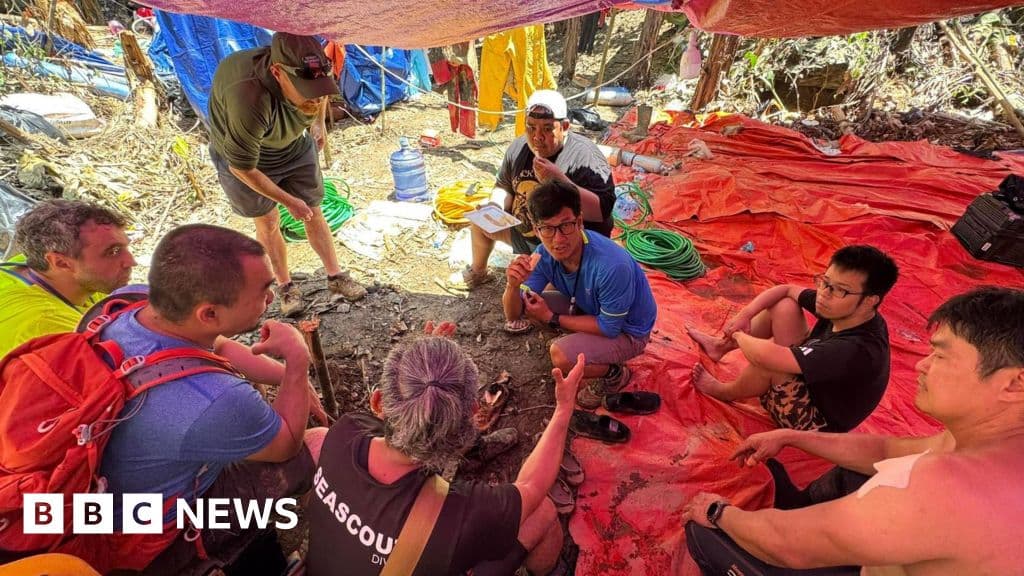
Survivors of the Laos cave rescue are aiding efforts to find the last two missing men trapped inside, sharing crucial insights for the search operation.
BBC World
A year after the tragic Air India crash, the Ali family reflects on grief, unanswered questions, and the enduring bonds of love in the face of loss.
BBC Business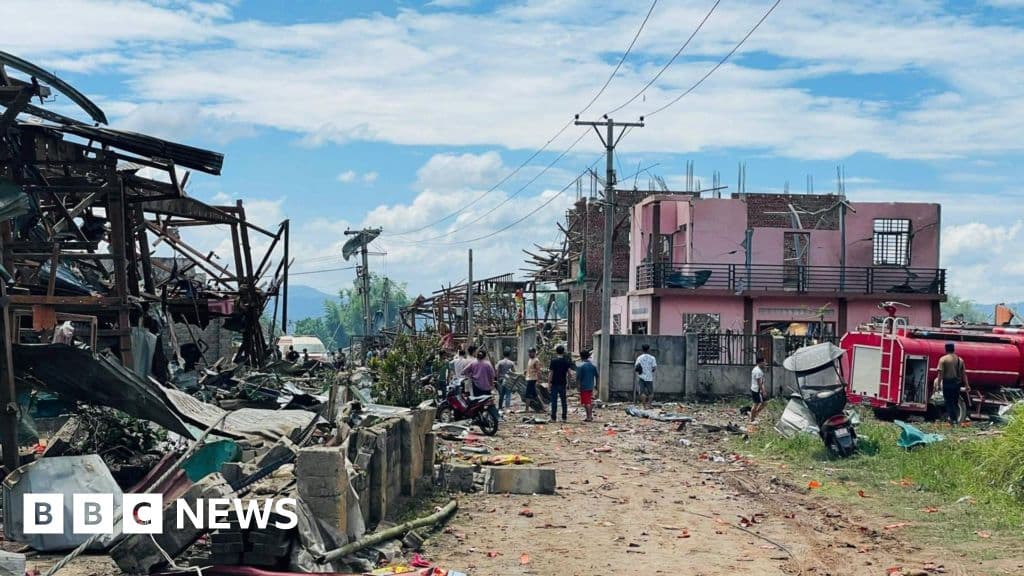
A devastating explosion in Myanmar's Kaung Tat village has killed at least 55 people, raising serious safety concerns and questions about civilian protection in conflict zones.
BBC World