
Image: BBC World
A tragic shark attack off Queensland's coast claims the life of a spearfisherman. What safety measures might follow this shocking incident?
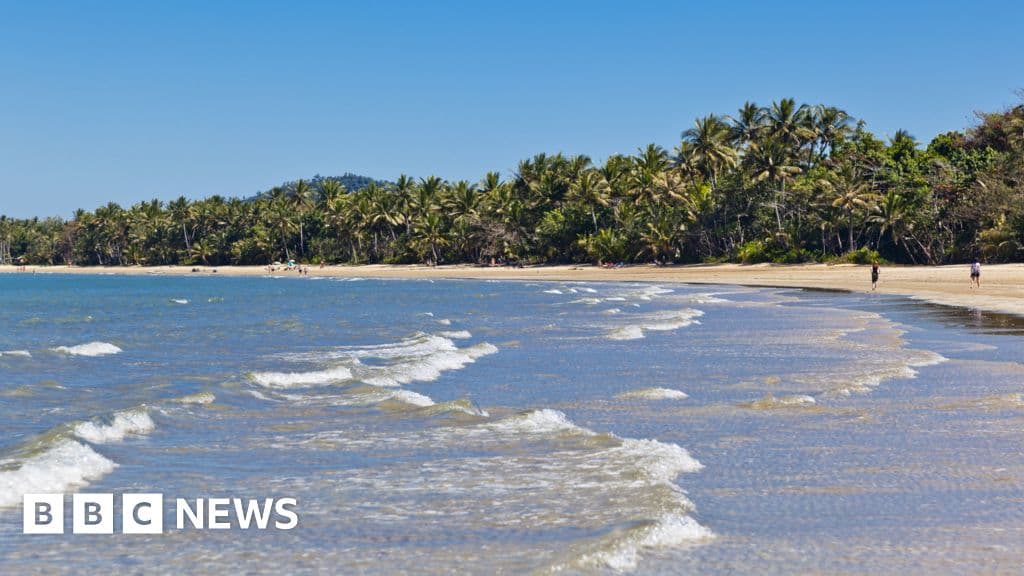
GlipzoA 39-year-old man tragically lost his life in a shark attack off the coast of Queensland, Australia, on Sunday, marking a devastating event for the local community. Emergency services responded to reports of the incident just before noon local time at a boat ramp on the Cassowary Coast, which lies between the cities of Cairns and Townsville. Despite efforts to rescue him, authorities confirmed that he succumbed to his injuries shortly after being retrieved from the water.
The victim, who has not yet been publicly identified, was believed to be spearfishing near an offshore reef when the attack occurred. This incident is particularly alarming as it represents the second fatal shark attack in Australian waters within just two weeks, raising concerns about beach safety and marine life interactions. Just last Saturday, a 38-year-old man was killed while spearfishing near Perth, Western Australia, after sustaining severe injuries to his lower legs.
Queensland Police are currently investigating the circumstances of the attack and have committed to preparing a report for the coroner on the man's unexpected death, which they described as “sudden and non-suspicious.” Police Inspector Elaine Burns addressed the media, sharing details about the tragic incident. The victim had been on a private vessel with three companions, heading to Kennedy Shoal, a shallow reef located about 45 kilometers (28 miles) off the Queensland coast.
According to Inspector Burns, the man was spearfishing at the time of the attack and suffered a critical head injury. His companions acted quickly to retrieve him from the water, but unfortunately, he was declared dead once they reached the shore about an hour later.
> “That’s quite a terrifying thing to see happen in front of you,” Burns remarked, emphasizing the emotional toll the incident had on those present. The police are extending support to the man’s friends during this difficult time.
Shark attacks, while alarming, are more frequent in Australia than in many other regions of the world; however, fatal incidents remain relatively rare. According to the Australian Shark-Incident Database, there were four reported shark encounters across the country in January alone, with only one resulting in a fatality. The statistical data highlights the need for awareness and caution among those partaking in water activities.
Many popular swimming and surfing locations in Australia have implemented measures to enhance safety and mitigate the risk of shark encounters. These initiatives include shark nets, drone surveillance, and local education programs aimed at informing the public about shark behavior and safety protocols.
The emotional impact of shark attacks extends beyond the immediate victims; it resonates throughout local communities. Incidents like this highlight the inherent risks associated with water sports, particularly in areas known for their shark populations. The recent fatalities have prompted discussions about the balance between enjoying Australia's beautiful coastlines and ensuring safety for beachgoers and water enthusiasts.
Local authorities are expected to reassess safety measures in light of these recent events. Many community members advocate for increased surveillance and public awareness campaigns to educate both locals and tourists about the potential dangers while enjoying aquatic activities.
As the investigation continues, it is crucial to focus on preventive measures that can help reduce the likelihood of similar tragedies in the future. Authorities may consider implementing further safety protocols, which could include: - Enhanced monitoring of shark activity in popular recreational areas - Increased use of technology such as underwater cameras and drones to identify shark presence - Public education initiatives focusing on safe practices while spearfishing and swimming
The ongoing dialogue surrounding shark attacks also opens avenues for scientific research aimed at understanding shark behavior and habitats better. This research could lead to more effective strategies for coexistence between humans and marine life, ensuring safety while respecting the natural environment.
In conclusion, the recent shark attacks in Australia underscore the need for vigilance and education surrounding water safety. As communities mourn the loss of two lives in such a short time, it is imperative for authorities and citizens alike to engage in proactive discussions about how to navigate the waters safely.
Moving forward, stakeholders must remain attentive to emerging data and community feedback to foster safer beach environments. With the right measures, it is possible to enjoy Australia’s stunning coastlines without compromising safety.
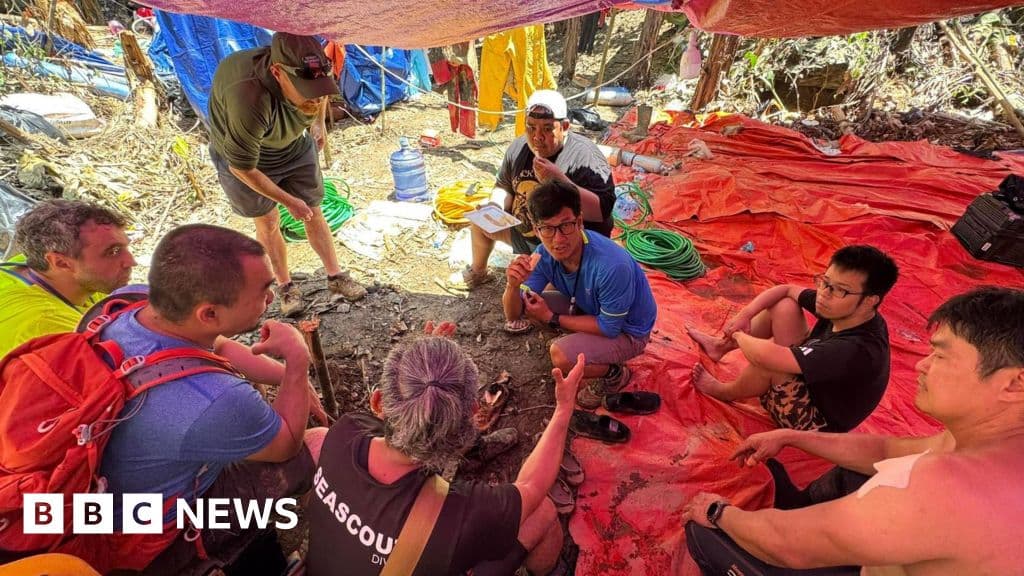
Survivors of the Laos cave rescue are aiding efforts to find the last two missing men trapped inside, sharing crucial insights for the search operation.
BBC World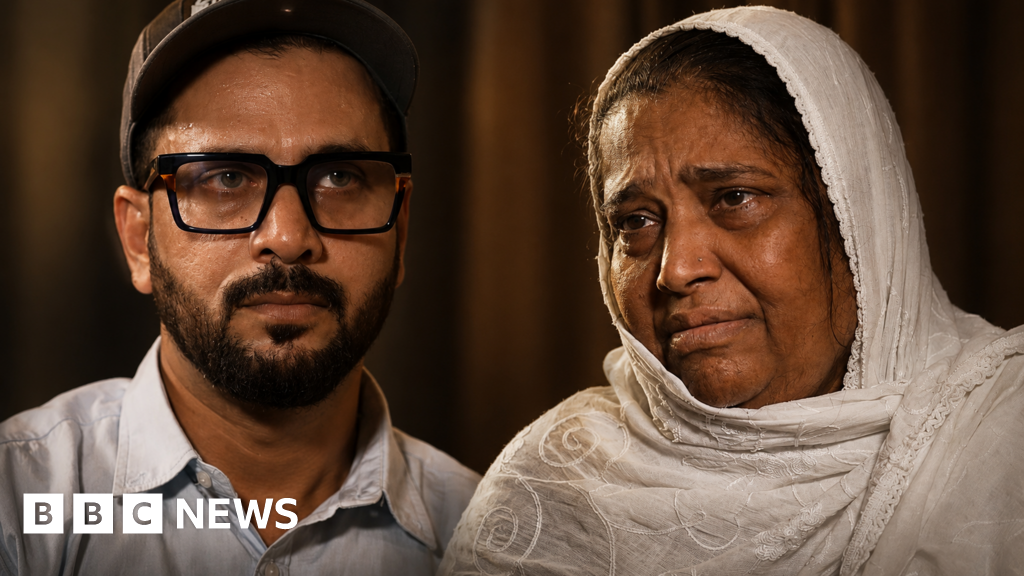
A year after the tragic Air India crash, the Ali family reflects on grief, unanswered questions, and the enduring bonds of love in the face of loss.
BBC Business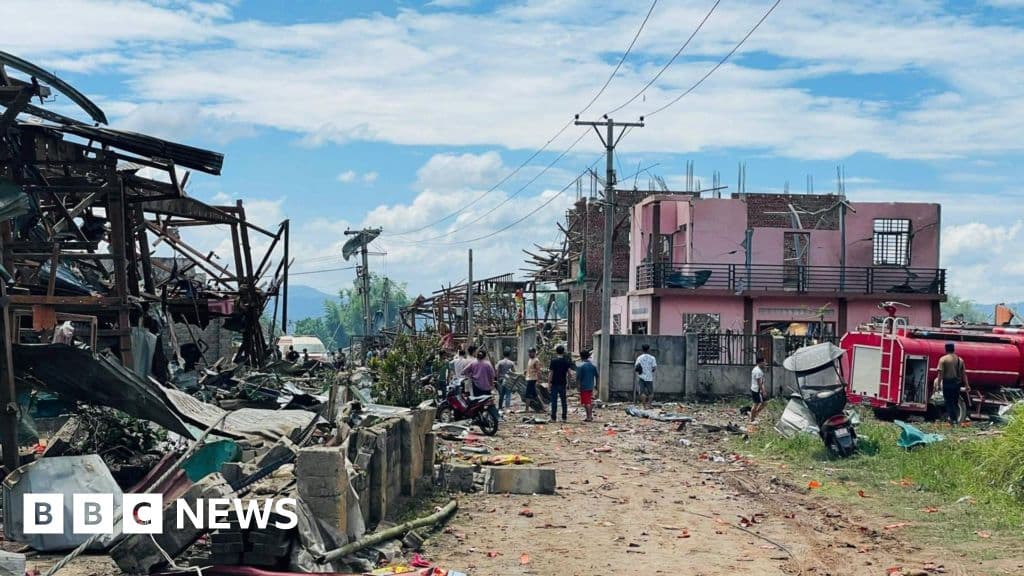
A devastating explosion in Myanmar's Kaung Tat village has killed at least 55 people, raising serious safety concerns and questions about civilian protection in conflict zones.
BBC World