
Image: Indian Express
A tragic plane crash in New Mexico's Capitan Mountains kills four. Investigations reveal a troubling trend in medical flight safety. What happens next?
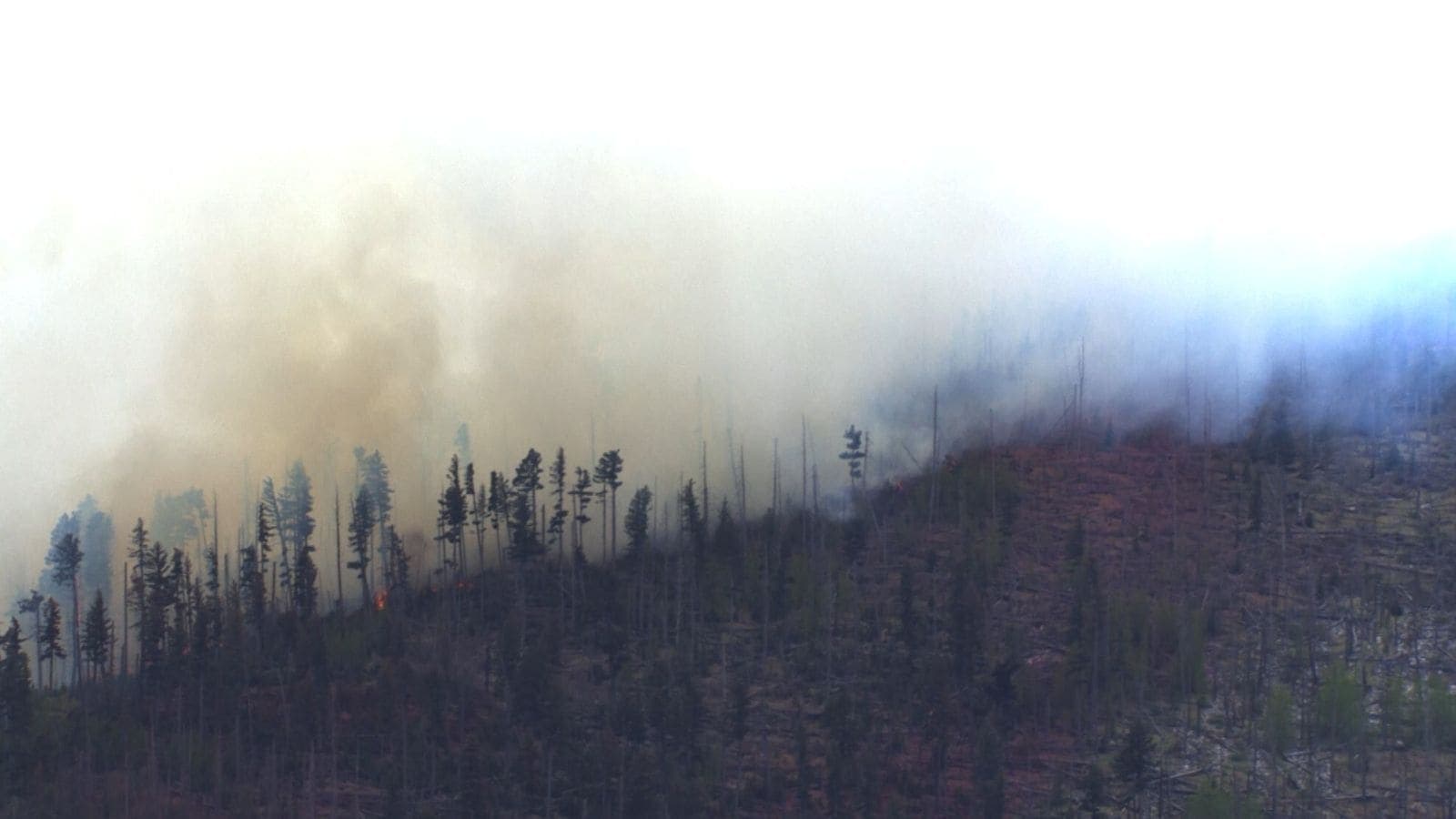
GlipzoIn a harrowing event early Thursday morning, a small medical aircraft tragically crashed in the Capitan Mountains near Ruidoso, New Mexico, resulting in the deaths of all four individuals on board. The incident occurred shortly before dawn, and the aftermath ignited a wildfire that quickly spread across the dry forested landscape.
By midday, the fire had engulfed approximately 35 acres of land, prompting immediate concern from local authorities. Lincoln County Manager Jason Burns expressed alarm over the situation, stating that officials were coordinating efforts with the U.S. Forest Service to bring the blaze under control.
The ill-fated plane was operated by Trans Aero MedEvac and was engaged in a medical transport mission at the time of the crash. According to the Federal Aviation Administration (FAA), the aircraft lost both radar and communication contact shortly after departing from Roswell Air Center and was en route to Sierra Blanca Regional Airport.
Rescue teams faced significant challenges in locating the wreckage, which was discovered in a rugged and steep area. Crews had to trek a final half-mile hike to reach the crash site. As of now, the identities of the victims, who included both flight crew and medical personnel, have not been disclosed.
This tragic crash adds to an alarming trend in the United States regarding medical flight incidents. Over the past 25 years, there have been 25 fatal crashes involving medical planes, resulting in nearly 70 fatalities. Recent high-profile incidents include: - January 2025: A medical jet crashed in a Philadelphia neighborhood, killing eight people. - August 2024: A plane crash in the Navajo Nation in northern Arizona resulted in the deaths of four individuals. - December 2024: A Mexican Navy plane went down off the Texas coast, claiming the lives of a young patient and seven others. - Earlier, in 2007, a medical plane crash in Lincoln National Forest shortly after takeoff from Ruidoso killed five people.
Aviation safety expert Jeff Guzzetti, a former investigator with the NTSB and FAA, noted that while medical flights are often perceived as more dangerous, they are statistically as safe as other flights operating between airports. However, he pointed out that medical helicopter flights are riskier due to their frequent landings in emergency situations, often on roads or makeshift sites. A study revealed that over 70% of fatalities in air medical accidents occurred in helicopters over a 20-year span concluding in 2020.
The recent crash highlights critical issues surrounding aviation safety, particularly in the realm of medical transport. The challenges faced by medical flights, including navigating difficult terrain and unpredictable weather conditions, underscore the importance of ongoing scrutiny and improvements in aviation regulations. The frequency of such accidents raises concerns regarding the safety protocols in place for medical flights and the necessity for rigorous training and operational standards.
As authorities work to investigate the crash and manage the ensuing wildfire, the broader implications of this incident will likely lead to discussions about enhancing safety measures in the air medical transport sector.
In light of this tragic event, future discourse will likely center around enhancing safety protocols for medical flights. Stakeholders in aviation safety will be called upon to assess current practices and implement necessary reforms aimed at reducing the risk associated with medical transportation.
As information continues to emerge about this incident, families of the victims and the community will be seeking answers and accountability. Moving forward, understanding the causes behind such tragic occurrences will be essential in preventing similar incidents in the future.
With the investigation underway, the aviation community and public will be closely watching for updates, particularly regarding any proposed changes to regulations that could enhance safety for medical flights and protect those who rely on these vital services.
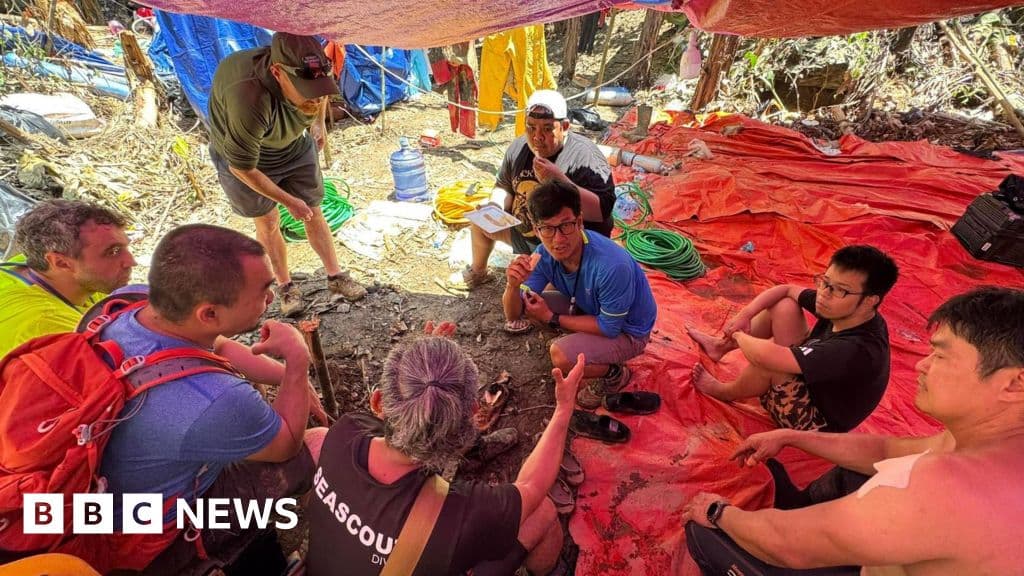
Survivors of the Laos cave rescue are aiding efforts to find the last two missing men trapped inside, sharing crucial insights for the search operation.
BBC World
A year after the tragic Air India crash, the Ali family reflects on grief, unanswered questions, and the enduring bonds of love in the face of loss.
BBC Business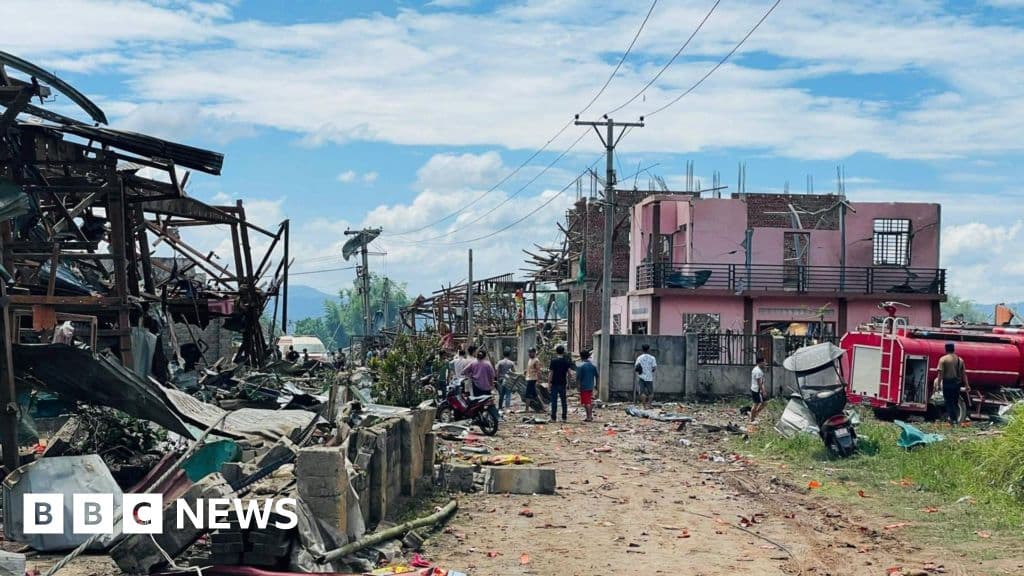
A devastating explosion in Myanmar's Kaung Tat village has killed at least 55 people, raising serious safety concerns and questions about civilian protection in conflict zones.
BBC World