
Image: BBC World
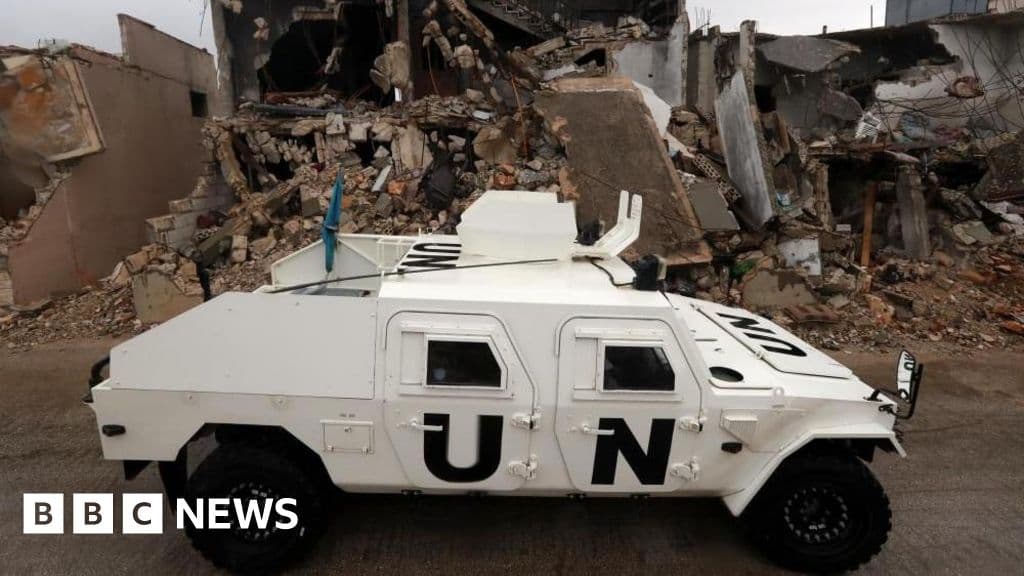
Tragedy strikes as two Indonesian peacekeepers are killed in Lebanon, raising new concerns over regional tensions and the safety of UN forces. Read more.
GlipzoOn Monday, two Indonesian peacekeepers tragically lost their lives in southern Lebanon due to an explosion of unclear origins that destroyed their vehicle. This incident, reported by the United Nations Interim Force in Lebanon (UNIFIL), also left a third peacekeeper severely injured and a fourth suffering from wounds. UNIFIL is currently conducting thorough investigations to uncover the circumstances surrounding this devastating event.
This incident marks the second fatal occurrence within a mere 24 hours, with another Indonesian peacekeeper killed on Sunday night when a projectile, also of unknown origin, exploded in Adchit Al Qusayr, a region in southern Lebanon. The UN has expressed deep concern over these incidents and is working diligently to establish the facts.
The deaths of these peacekeepers come at a time of heightened tension between Israel and the Lebanese armed group Hezbollah. Following the Israeli military's announcement of intensified ground and air operations against Hezbollah, the situation has grown increasingly volatile. Hezbollah, which is backed by Iran, has retaliated to US-Israeli strikes on Iran by launching rockets into Israel.
In a statement released via Telegram, the Israeli Defense Forces (IDF) indicated that they are thoroughly reviewing the incidents to determine whether they were caused by Hezbollah activities or IDF operations. They cautioned that the incidents took place in an active combat zone, emphasizing that not all harm to UNIFIL personnel should be attributed to them.
Stéphane Dujarric, spokesperson for the UN Secretary-General, underscored the critical nature of safeguarding peacekeepers, who operate on behalf of the international community. He stressed that it is essential for both Lebanon and Israel to engage in dialogue through the UNIFIL mechanism, with a focus on respecting Lebanon's sovereignty and territorial integrity.
The IDF reported early Tuesday that four of its soldiers were also killed in combat in southern Lebanon, with additional injuries noted among their ranks. In light of the recent deaths of the Indonesian peacekeepers, UNIFIL extended heartfelt condolences to the families and colleagues of those who made the ultimate sacrifice for peace. They reiterated that all involved parties must adhere to international law, which mandates the protection of UN personnel.
Established by the UN Security Council in 1978, UNIFIL has long served as a buffer between Israel and Lebanon, patrolling the Blue Line, the de facto border between the two nations, in collaboration with the Lebanese army. Since its inception, the mission has seen the loss of approximately 339 peacekeepers.
Despite a ceasefire brokered in November 2024 following escalating violence linked to the Gaza conflict, Israel has continued to conduct near-daily strikes targeting Hezbollah. The Israeli government contends that Hezbollah has violated ceasefire terms, which include disarming and vacating positions in southern Lebanon. Israel insists that the recent military operations aim to safeguard northern communities from potential threats.
The recurring violence underscores a harsh reality: the human cost of this ongoing conflict is alarmingly high. UNIFIL has emphasized that deliberate attacks on peacekeepers are grave breaches of international humanitarian law. They have called for an end to the violence, stressing that the escalating hostilities jeopardize not only the safety of peacekeepers but also the stability of the region as a whole.
In response to the death of Chief Private Farizal Rhomadhon, the Indonesian Defense Forces (TNI) reaffirmed their commitment to the peacekeeping mission in Lebanon. Major General Aulia Dwi Nasrullah stated that the TNI remains dedicated to fulfilling their responsibilities under the UN mandate while prioritizing the safety of their personnel.
As investigations unfold regarding these tragic incidents, the international community is watching closely. The need for dialogue between Lebanon and Israel has never been more pressing, especially as the region grapples with the ramifications of ongoing violence. Moving forward, the focus must shift towards ensuring the safety of peacekeepers and establishing a more stable environment for the people of Lebanon and Israel.
The future of peacekeeping efforts in Lebanon may hinge on the ability of regional actors to engage constructively and respect international laws. With the backdrop of geopolitical tensions, the UN and its peacekeeping forces face significant challenges ahead. The hope remains that through dialogue and cooperation, a path to lasting peace can be forged, preventing further loss of life and fostering stability in this tumultuous region.
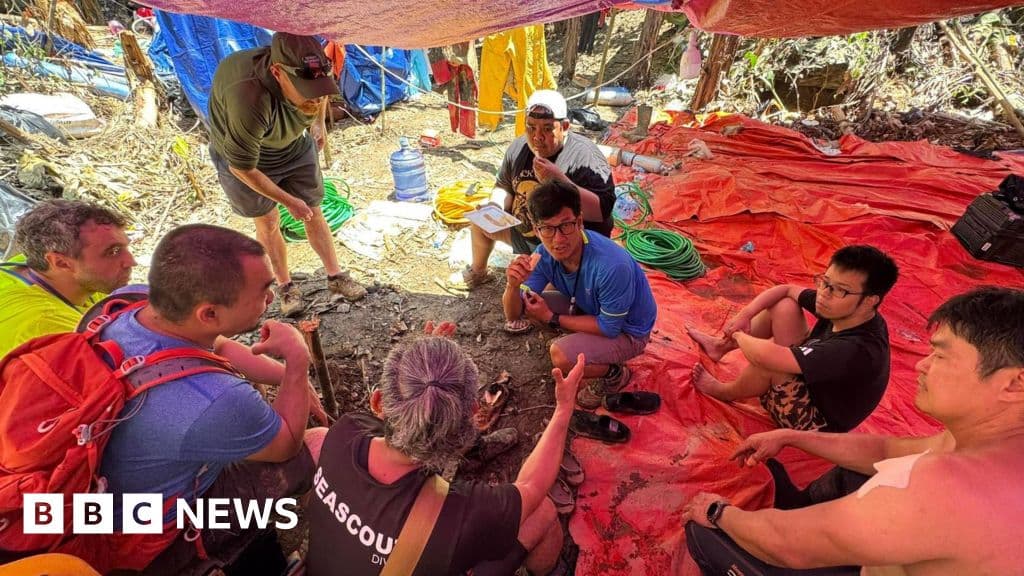
Survivors of the Laos cave rescue are aiding efforts to find the last two missing men trapped inside, sharing crucial insights for the search operation.
BBC World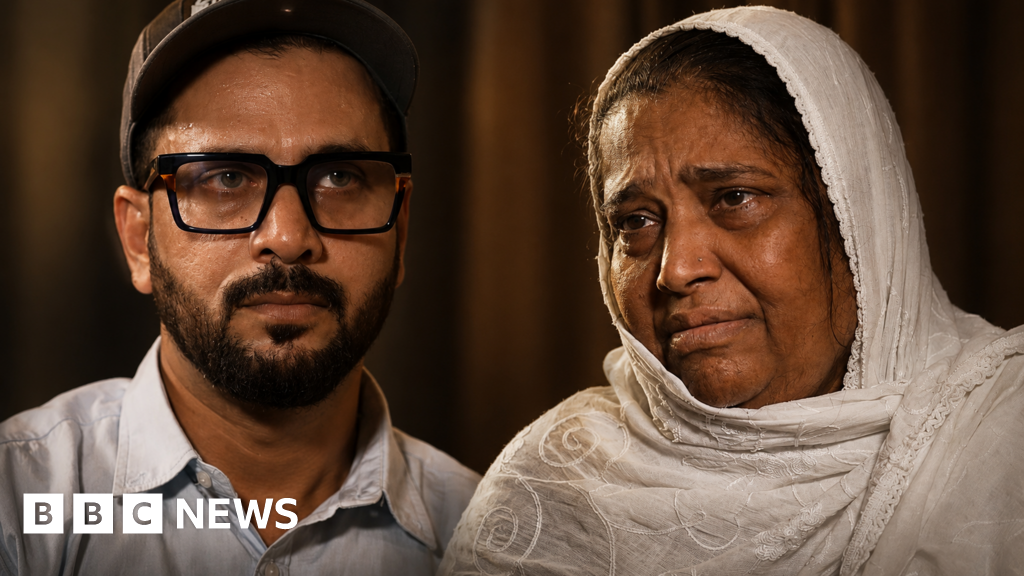
A year after the tragic Air India crash, the Ali family reflects on grief, unanswered questions, and the enduring bonds of love in the face of loss.
BBC Business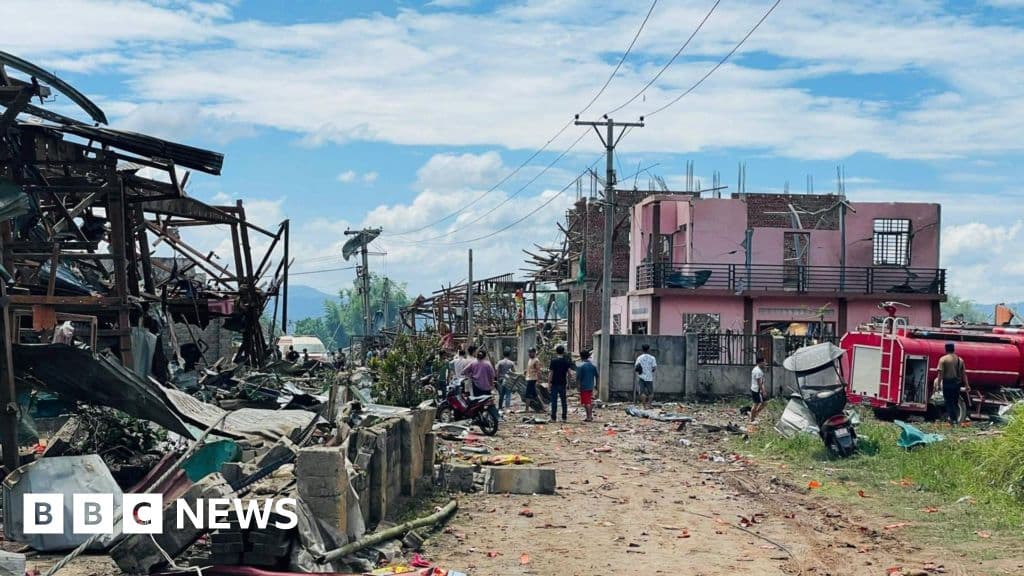
A devastating explosion in Myanmar's Kaung Tat village has killed at least 55 people, raising serious safety concerns and questions about civilian protection in conflict zones.
BBC World