

Image: The Hindu
Israeli airstrikes in Gaza led to 12 deaths, including children and a pregnant woman, amid ongoing violence despite a ceasefire agreement. What’s next?
GlipzoOn March 15, 2026, a series of Israeli airstrikes in the Gaza Strip resulted in the deaths of 12 Palestinians, among them two children, a pregnant woman, and eight police officers, according to local hospital officials. The violence erupted as tensions remain high in the region, even after a ceasefire was established to halt over two years of conflict between Israel and Hamas.
The first strike occurred in the Nuseirat refugee camp, where a targeted attack on a house claimed the lives of a young family. Reports from Al-Aqsa Martyrs Hospital indicate that a couple in their 30s and their 10-year-old son were among the deceased. Tragically, the mother was pregnant with twins. A 15-year-old neighbor was also killed and taken to Awda Hospital.
Witnesses described a scene of chaos and despair. Mahmoud al-Muhtaseb, a neighbor, recounted, "We were sleeping and got up to the strike of a missile. The strike was strong. There was no prior warning." This sentiment reflects the ongoing unpredictability and fear that permeates the lives of residents in Gaza as airstrikes continue to disrupt their daily existence.
Later in the day, another airstrike targeted a police vehicle on the busy Salah al-Din route near the central town of Zawaida, resulting in the deaths of eight police officers. This included Col. Iyad Ab Yousef, a prominent figure within the Hamas-run police force. The Interior Ministry, governed by Hamas, confirmed the fatalities and the ongoing targeting of its security personnel.
The situation for Hamas, which has governed Gaza since 2007, has been precarious. Initially, their police force maintained a semblance of order and public security. However, as Israeli forces seized significant portions of Gaza, the police presence diminished. Following a ceasefire in October, their visibility has increased, although they face daunting challenges from continued Israeli airstrikes.
The recent fatalities underscore a grim reality: even with a ceasefire in place, violence persists. Since the ceasefire aimed at curbing the hostilities that erupted after a Hamas-led attack on Israel on October 7, 2023, which resulted in over 1,200 Israeli deaths and many hostages taken, the situation remains volatile. Gaza's health officials report that more than 650 Palestinians have been killed since the ceasefire, with women and children constituting a significant portion of these casualties.
The Gaza Health Ministry, affiliated with the Hamas-led government, maintains that while they provide comprehensive casualty data, they do not delineate between civilian and militant deaths. This lack of clarity complicates the international community's understanding of the conflict's toll.
The ongoing violence has resulted in staggering death tolls on both sides. In total, over 72,200 Palestinians have lost their lives in this conflict, with many of these deaths occurring as a direct result of airstrikes and military engagements. In contrast, four Israeli soldiers have died since the ceasefire took effect, highlighting the asymmetry of losses.
Israeli military officials argue that their actions are defensive, aimed at thwarting violations of the ceasefire and targeting militants. However, the persistent airstrikes raise questions about their commitment to the ceasefire and the safety of civilians caught in the crossfire.
In a related development, Israel announced plans to reopen the Rafah crossing with Egypt, effective Wednesday, after a prolonged closure of over two weeks. The Coordination of Government Activities in the Territories (COGAT) stated that limited passenger traffic would resume, though cargo shipments would remain suspended.
This reopening comes in the wake of intense military actions, including strikes against Iran, which have exacerbated the regional conflict. The Rafah crossing's operational status is crucial for the humanitarian needs of Gazans, as it provides a vital link for aid and travel amid ongoing hostilities.
The recent airstrikes in Gaza illuminate the complex and tragic nature of the ongoing conflict. As the death toll continues to rise, both sides face mounting pressure from their respective populations and the international community. The fragile nature of the ceasefire raises significant concerns about future hostilities and the potential for renewed violence.
Moving forward, observers will be keenly watching: - Humanitarian conditions in Gaza and the effectiveness of aid efforts through the reopened Rafah crossing. - The response from the Israeli military regarding its ongoing operations and potential escalations. - The implications of continued violence on the fragile ceasefire and its ability to hold.
As the situation develops, the world remains hopeful for a lasting peace, yet vigilant regarding the potential for further tragedy in this deeply affected region.
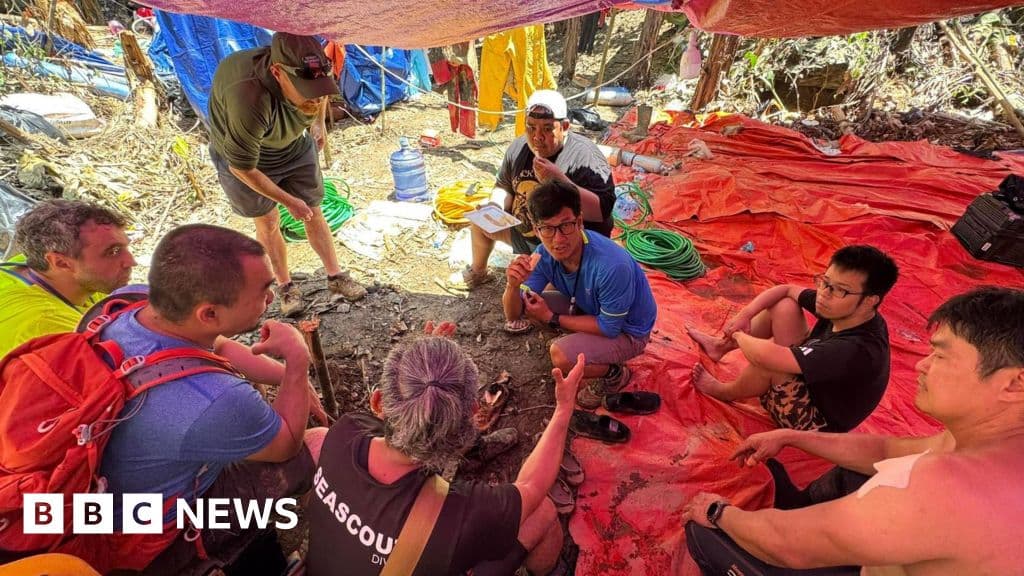
Survivors of the Laos cave rescue are aiding efforts to find the last two missing men trapped inside, sharing crucial insights for the search operation.
BBC World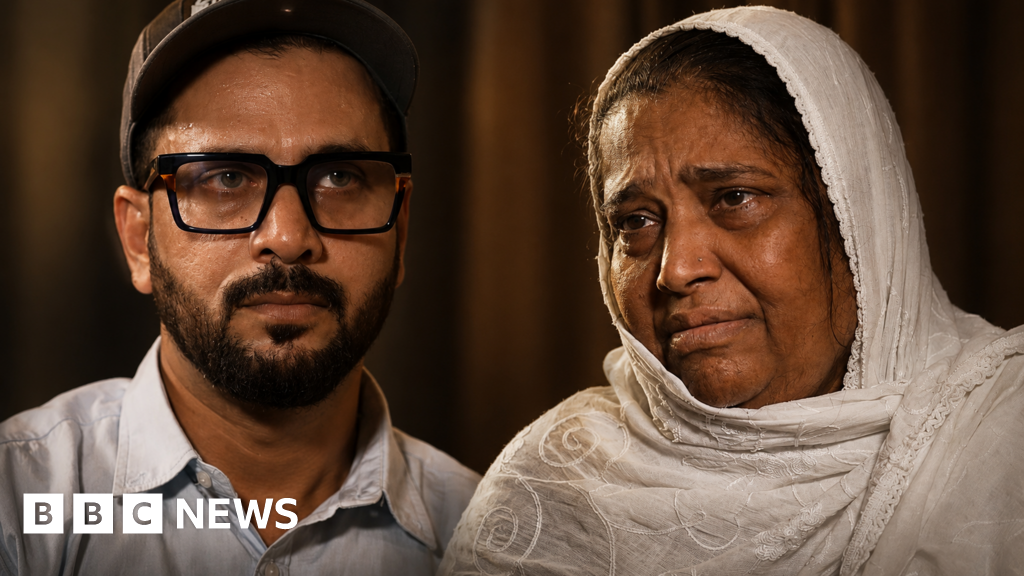
A year after the tragic Air India crash, the Ali family reflects on grief, unanswered questions, and the enduring bonds of love in the face of loss.
BBC Business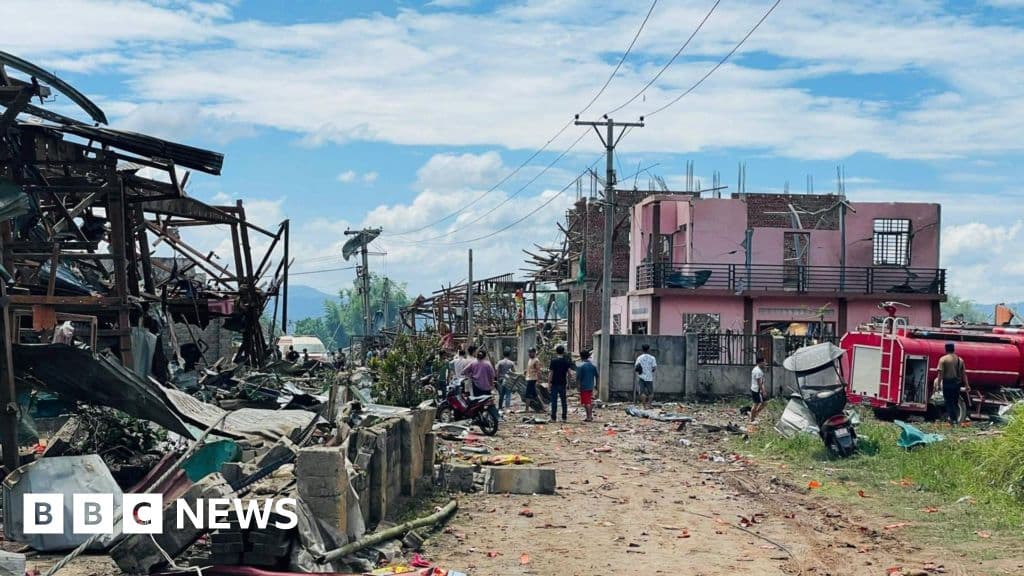
A devastating explosion in Myanmar's Kaung Tat village has killed at least 55 people, raising serious safety concerns and questions about civilian protection in conflict zones.
BBC World