
Glipzo
WorldTechnologyBusinessSportsEntertainmentScienceHealthPolitics
Glipzo
WorldTechnologyBusinessSportsEntertainmentScienceHealthPolitics
  1. Home
  2. /
  3. World
  4. /
  5. Tragic Indonesia Train Collision: Four Dead, Many Injured
Tragic Indonesia Train Collision: Four Dead, Many Injured

Image: BBC World

World
Tuesday, April 28, 20264 min read

Tragic Indonesia Train Collision: Four Dead, Many Injured

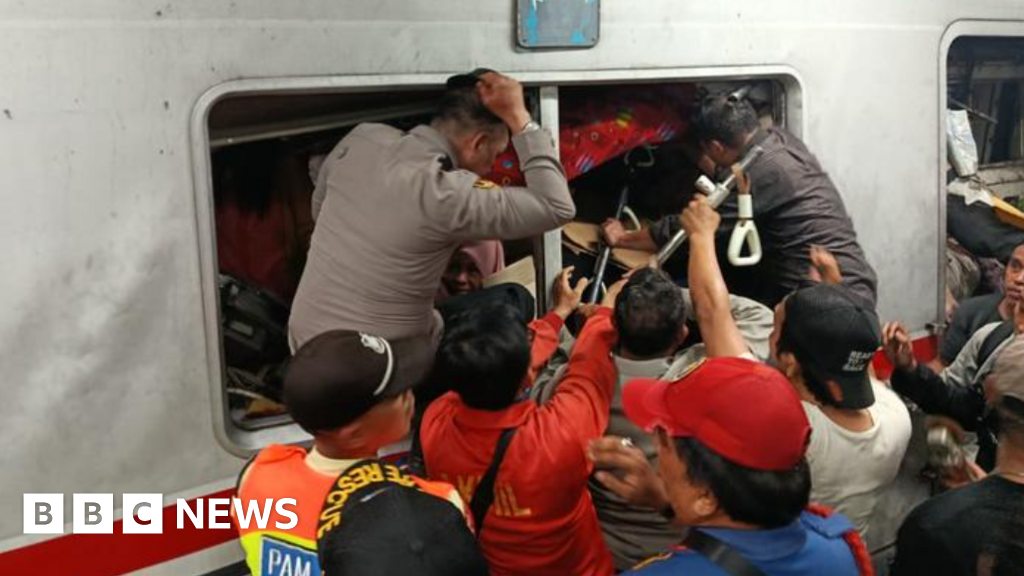
A tragic train collision near Jakarta has left four dead and dozens injured. Rescue efforts are ongoing as authorities investigate the cause of this disaster.

Glipzo News Desk|Source: BBC World
Share
Glipzo

Key Highlights

  • Four dead and many injured in Indonesia train crash near Jakarta.
  • Rescue efforts continue as trapped passengers await help.
  • This accident highlights ongoing transport safety concerns in Indonesia.
  • Authorities face pressure to improve aging railway infrastructure.

In this article

  • Catastrophic Train Collision Near Jakarta On a tragic Monday, **four individuals lost their lives**, and many others sustained injuries in a devastating train accident just outside **Jakarta**, Indonesia. The incident occurred when a **stationary commuter train** was struck from behind by a long-distance commuter train traveling on the same track. This catastrophic event highlights ongoing concerns regarding safety in the country's public transport system.
  • Rescue Efforts Intensified Officials confirmed the initial death toll of four, while **38 additional people** were transported to local hospitals for treatment. **Anne Purba**, a spokesperson for **KAI**, the state-owned railway operator, expressed heartfelt condolences to the victims and their families, stating, "KAI expresses its deepest condolences and condolences to the victims and their bereaved families."
  • A History of Train Accidents in Indonesia This tragic event is not an isolated incident. Indonesia's railway system has been plagued by a high rate of accidents, attributed mainly to **aging infrastructure** and inadequate maintenance. Earlier this year, another collision occurred in **Cicalengka**, resulting in multiple fatalities and injuries. Such incidents raise questions about the safety and reliability of public transport across the nation.
  • The Impact of Infrastructure on Safety The ongoing challenges faced by Indonesia’s railway network reflect broader issues regarding transportation safety in the region. The government has previously acknowledged the need for improvements to public transport systems, yet incidents like the recent train crash underscore the urgency of these reforms.
  • Looking Forward: What’s Next for Train Safety in Indonesia? As rescue efforts continue, the focus will inevitably shift to accountability and reform within Indonesia's railway system. The tragic loss of life and injuries suffered in this incident may serve as a catalyst for necessary changes in policy and infrastructure. The government is likely to face increased pressure from both the public and legislative bodies to enhance safety measures and invest in upgrades for the rail system.
  • Conclusion: The Call for Change In light of this catastrophic event, the Indonesian government must prioritize the safety of its public transportation systems. Strengthening infrastructure, improving maintenance protocols, and ensuring that safety measures are in place are critical steps toward preventing future tragedies. As the nation mourns the loss of life, it is imperative that lessons are learned to safeguard against similar accidents in the future. The public will be watching closely to see how authorities respond to this tragedy and what measures will be implemented to bring about meaningful change in railway safety.

Catastrophic Train Collision Near Jakarta On a tragic Monday, **four individuals lost their lives**, and many others sustained injuries in a devastating train accident just outside **Jakarta**, Indonesia. The incident occurred when a **stationary commuter train** was struck from behind by a long-distance commuter train traveling on the same track. This catastrophic event highlights ongoing concerns regarding safety in the country's public transport system.

As rescue operations continue, the full extent of the injuries and damage is still being assessed. Eyewitness accounts describe a scene of chaos, with passengers needing urgent medical assistance following the collision. Footage aired by local media illustrates the gravity of the situation, featuring medical trolleys transporting injured individuals near the Bekasi Timur Station.

Rescue Efforts Intensified Officials confirmed the initial death toll of four, while **38 additional people** were transported to local hospitals for treatment. **Anne Purba**, a spokesperson for **KAI**, the state-owned railway operator, expressed heartfelt condolences to the victims and their families, stating, "KAI expresses its deepest condolences and condolences to the victims and their bereaved families."

The Deputy Speaker of the Indonesian House of Representatives, Sufmi Dasco Ahmad, visited the site and warned that the number of fatalities might increase as rescue teams work diligently to reach those still trapped. Eyewitnesses recounted how some passengers screamed in fear as the trains collided, emphasizing the shocking nature of the incident. The Jakarta Police Chief, Insp Gen Asep Edi Suheri, reported that six or seven individuals remain trapped within the wreckage, as emergency crews strive to extract them safely.

A History of Train Accidents in Indonesia This tragic event is not an isolated incident. Indonesia's railway system has been plagued by a high rate of accidents, attributed mainly to **aging infrastructure** and inadequate maintenance. Earlier this year, another collision occurred in **Cicalengka**, resulting in multiple fatalities and injuries. Such incidents raise questions about the safety and reliability of public transport across the nation.

The Impact of Infrastructure on Safety The ongoing challenges faced by Indonesia’s railway network reflect broader issues regarding transportation safety in the region. The government has previously acknowledged the need for improvements to public transport systems, yet incidents like the recent train crash underscore the urgency of these reforms.

Key contributing factors to the frequent accidents include: - Aging trains and tracks: Many of the trains in operation are outdated, which can lead to mechanical failures. - Poor maintenance practices: Regular maintenance is essential for safe operation, and lapses can have catastrophic consequences. - Inadequate safety protocols: There is often a lack of effective safety measures in place to prevent or respond to emergencies.

Looking Forward: What’s Next for Train Safety in Indonesia? As rescue efforts continue, the focus will inevitably shift to accountability and reform within Indonesia's railway system. The tragic loss of life and injuries suffered in this incident may serve as a catalyst for necessary changes in policy and infrastructure. The government is likely to face increased pressure from both the public and legislative bodies to enhance safety measures and invest in upgrades for the rail system.

In the coming days, it will be crucial to monitor the investigation into the accident. Authorities will need to determine the precise causes of the collision and whether negligence played a role. Furthermore, discussions surrounding funding for infrastructure improvements and regular maintenance will gain renewed urgency as the nation grapples with the implications of this tragedy.
Conclusion: The Call for Change In light of this catastrophic event, the Indonesian government must prioritize the safety of its public transportation systems. Strengthening infrastructure, improving maintenance protocols, and ensuring that safety measures are in place are critical steps toward preventing future tragedies. As the nation mourns the loss of life, it is imperative that lessons are learned to safeguard against similar accidents in the future. The public will be watching closely to see how authorities respond to this tragedy and what measures will be implemented to bring about meaningful change in railway safety.

Did you find this article useful? Share it!

Share

Related Articles

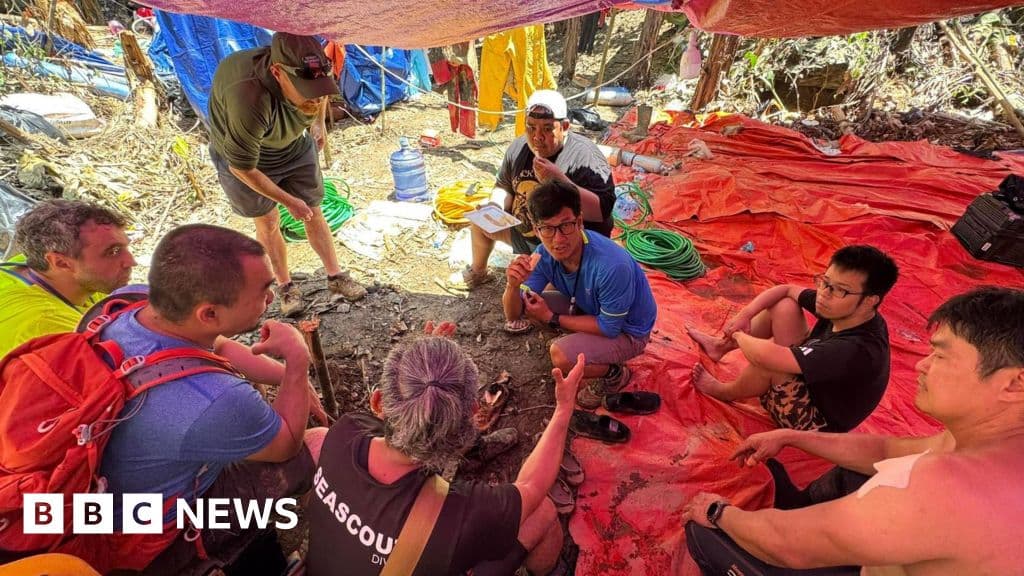
Laos Cave Survivors Assist in Search for Last Two Missing Men
World
Jun 1, 2026

Laos Cave Survivors Assist in Search for Last Two Missing Men

Survivors of the Laos cave rescue are aiding efforts to find the last two missing men trapped inside, sharing crucial insights for the search operation.

BBC World

Unraveling Grief: One Year After the Air India Crash
World
Jun 1, 2026

Unraveling Grief: One Year After the Air India Crash

A year after the tragic Air India crash, the Ali family reflects on grief, unanswered questions, and the enduring bonds of love in the face of loss.

BBC Business
Tragic Explosion Claims 55 Lives in Myanmar Village
World
Jun 1, 2026

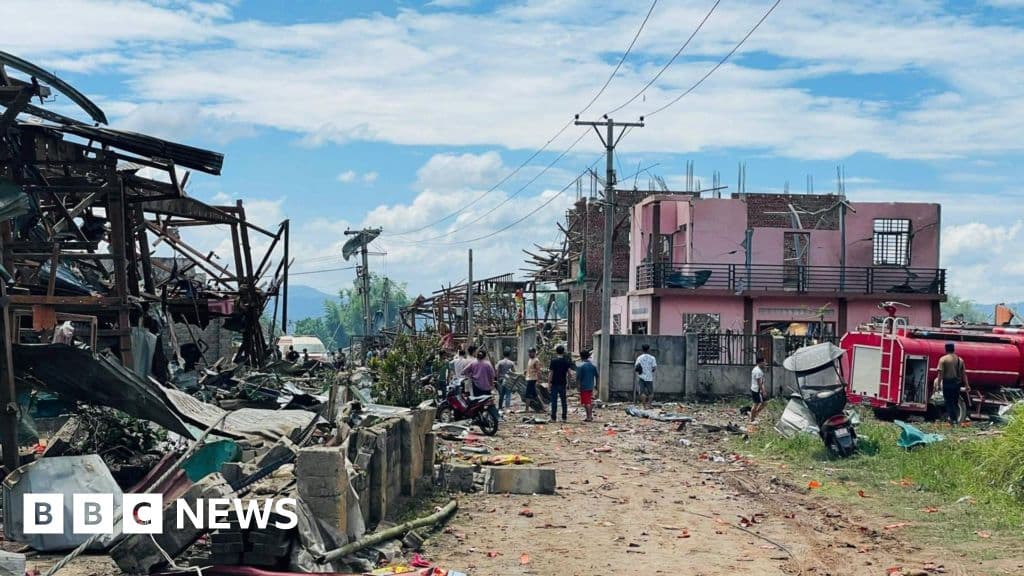
Tragic Explosion Claims 55 Lives in Myanmar Village

A devastating explosion in Myanmar's Kaung Tat village has killed at least 55 people, raising serious safety concerns and questions about civilian protection in conflict zones.

BBC World

Categories

  • World
  • Technology
  • Business
  • Sports

More

  • Entertainment
  • Science
  • Health
  • Politics

Explore

  • Web Stories
  • About Us
  • Contact

Legal

  • Privacy Policy
  • Terms of Service
  • Disclaimer

© 2026 Glipzo. All rights reserved.