
Image: BBC World
A tragic airstrike in southern Lebanon claims the lives of an 11-year-old boy and his uncle, sparking outrage and mourning in their community.
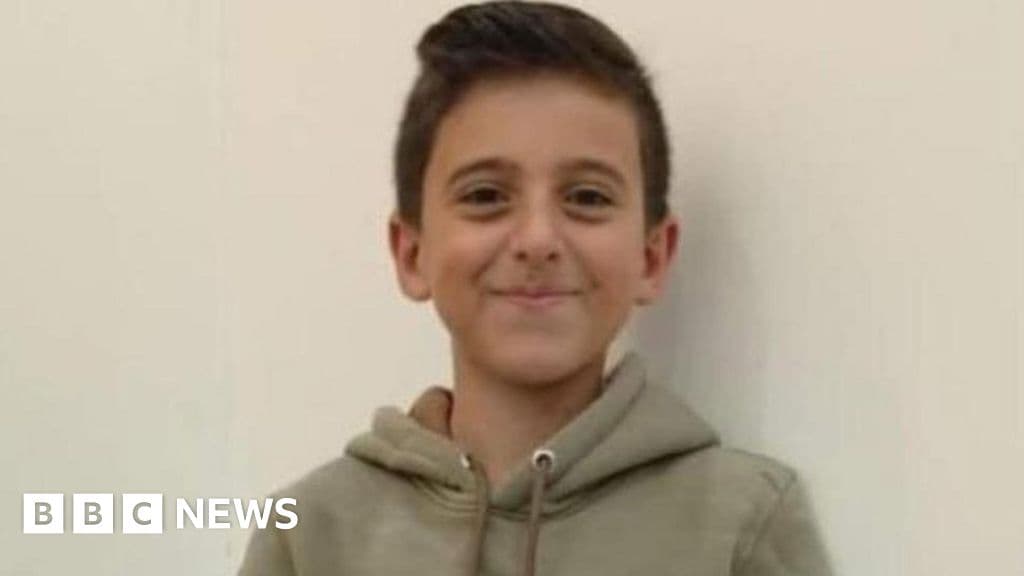
GlipzoA somber atmosphere enveloped the village of Saksakiyeh in southern Lebanon as the community gathered to mourn the loss of 11-year-old Jawad Younes and his uncle, 41-year-old Ragheb Younes, who tragically lost their lives in an Israeli airstrike. The air raid struck their family home on Friday, marking yet another devastating chapter in the escalating conflict between Israel and the Iran-backed militant group Hezbollah.
The funeral, held on Saturday, drew hundreds of mourners who expressed their grief with loud wails and tears, a visual testament to the deep emotional scars left by the ongoing violence. Jawad's mother, Malak Meslmani, sat beside her son’s body, overwhelmed with sorrow. "My son is gentle and pure," she shared with a poignant determination, highlighting Jawad's dreams of becoming a martyr in the resistance against what she referred to as the enemy, Israel. Her heart-wrenching words echoed the sentiments of many in this largely Shia region, where support for Hezbollah runs deep.
This tragic incident is part of a larger pattern of violence that has seen over 1,100 fatalities reported in Lebanon since the beginning of recent hostilities. The current wave of conflict was sparked earlier this month when Hezbollah launched rockets into Israel, prompting retaliatory airstrikes that have increasingly harmed civilians caught in the crossfire.
In the aftermath of the strike that claimed the lives of Jawad and Ragheb, local officials and family members asserted that the Younes family had no ties to Hezbollah's military operations. As Jawad's father, Hussein Younes, stood among the ruins of their home, he expressed his bewilderment at the targeting of his family, questioning, “If this was a military base, no kids would be here.” His words reflect the confusion and pain felt by many as the lines between combatants and civilians blur amidst the chaos of war.
Among the five individuals who survived the attack was Zeinab, Jawad’s aunt, who is currently recovering from significant injuries, including a broken spine and a fractured leg. In her emotional recounting from a hospital bed, she detailed the horrifying moment of the strike, stating, “We didn’t see anything, and we didn’t hear anything… Then I found myself under a pile of rubble.” Her experience underscores the indiscriminate nature of violence in these conflicts and raises questions about the adequacy of warnings before such strikes.
Jawad and Ragheb's funeral took place just one day after another family in the same neighborhood buried their own three members, including two children, who had also fallen victim to Israeli bombardments. These repeated tragedies highlight the profound impact of the ongoing conflict on civilian lives in southern Lebanon.
In a further escalation, three Lebanese journalists were killed on the same day in a targeted Israeli strike on their media vehicle. Among the deceased was Ali Shoeib, a prominent correspondent for Al Manar TV, a station known for its affiliation with Hezbollah. The Israeli Defense Forces (IDF) labeled Shoeib a “terrorist,” claiming he had connections to Hezbollah's elite Radwan Force. However, no evidence has been provided to substantiate these claims, raising concerns over the safety of journalists in conflict zones.
The strike that claimed the lives of the journalists has drawn ire from various quarters, including Lebanese President Joseph Aoun, who condemned the incident as a “brazen crime” that disregards the protection afforded to journalists during wartime. Advocacy groups like the Committee to Protect Journalists have previously criticized Israel for its attacks on media professionals, urging for accountability and protection for those covering the conflict. As the situation continues to evolve, the international community is left grappling with the complexities of the conflict. With civilian casualties rising and tensions escalating, the urgency for dialogue and resolution becomes increasingly critical.
The loss of innocent lives in Lebanon amidst escalating military actions serves as a stark reminder of the urgent need for peace in the region. As families mourn and communities grapple with the fallout of war, the focus must shift towards diplomatic efforts to de-escalate tensions between Israel and Hezbollah.
Moving forward, observers will be watching closely for any signs of ceasefire negotiations or international interventions that could halt the cycle of violence. The situation remains precarious, and the lives of countless civilians hang in the balance as the conflict continues to unfold.
As we reflect on the heartbreaking stories of families like the Younes, it is essential to remember the human cost of war and advocate for a future where peace prevails over violence.
--- Why It Matters: The ongoing conflict in Lebanon highlights the severe humanitarian crisis resulting from military actions and raises fundamental questions about the protection of civilians and media professionals in war zones. As global attention turns to the region, the need for accountability and peace remains paramount.
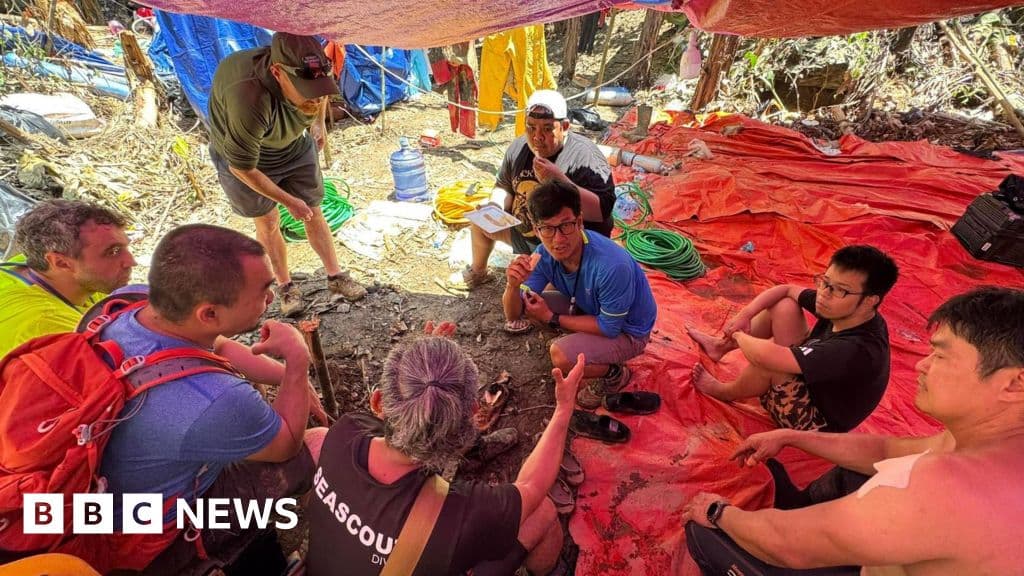
Survivors of the Laos cave rescue are aiding efforts to find the last two missing men trapped inside, sharing crucial insights for the search operation.
BBC World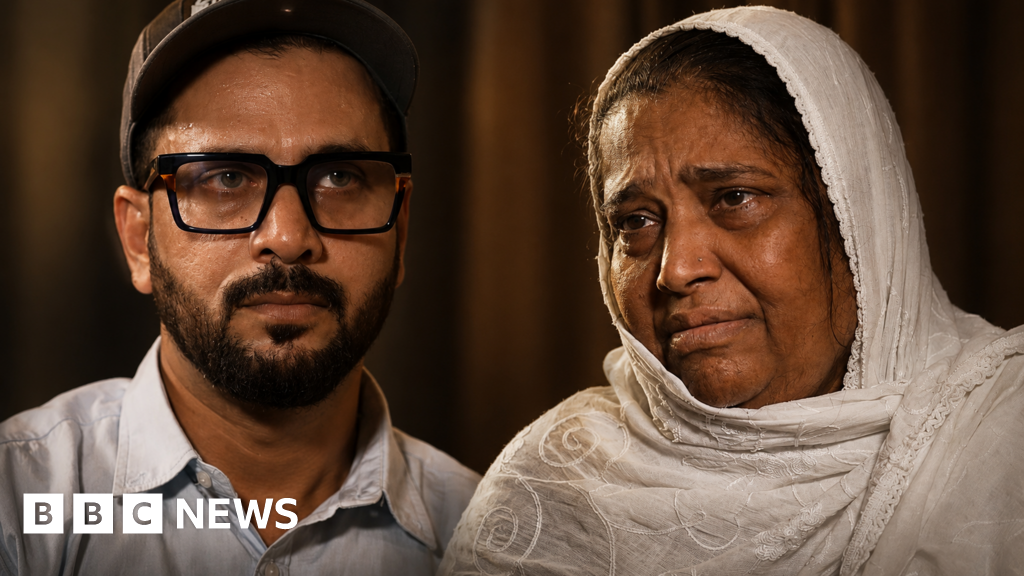
A year after the tragic Air India crash, the Ali family reflects on grief, unanswered questions, and the enduring bonds of love in the face of loss.
BBC Business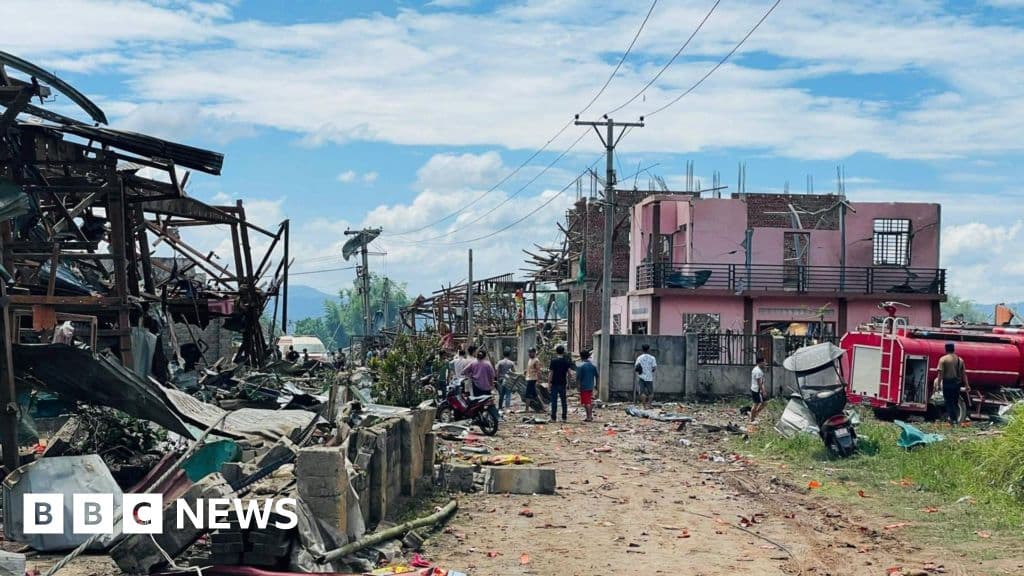
A devastating explosion in Myanmar's Kaung Tat village has killed at least 55 people, raising serious safety concerns and questions about civilian protection in conflict zones.
BBC World