
Image: BBC World
Discover the tragic story of four Italian divers in the Maldives, raising crucial safety questions about diving practices and equipment used underwater.
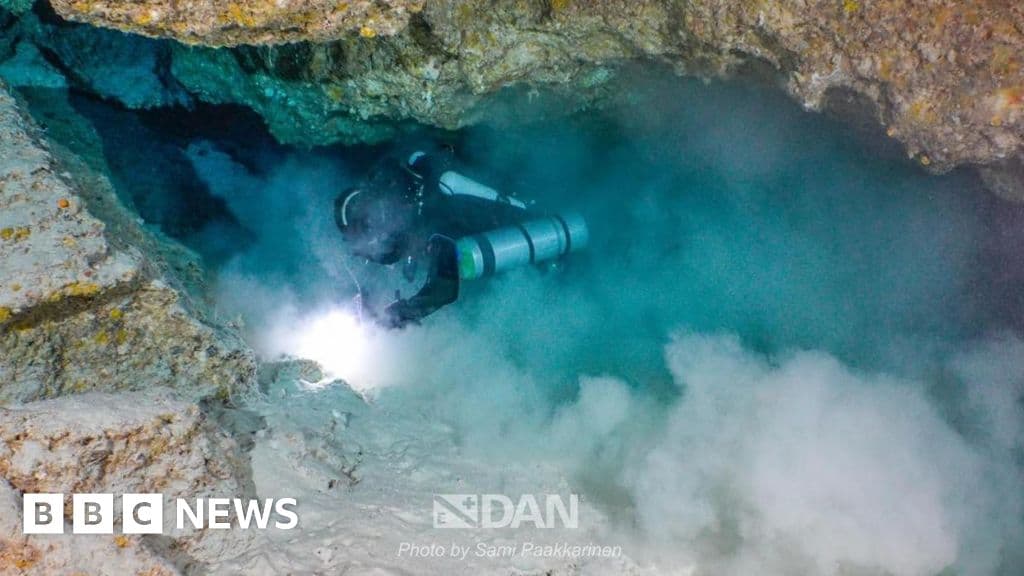
GlipzoThe recent tragedy involving four Italian scuba divers in the Maldives has raised serious concerns about diving safety, particularly regarding the equipment used during their underwater exploration. A member of the rescue team, Finnish diver Sami Paakkarinen, revealed that the gear found with the divers was far from ideal, intensifying scrutiny over their diving practices and the circumstances surrounding their disappearance.
On May 14, the group entered the waters of Vaavu Atoll, a popular diving destination, yet they failed to resurface, prompting a search operation that lasted several days. The first body was recovered shortly after their disappearance, but it wasn’t until later that the remaining bodies were found deep within a 60-meter-deep cave. This incident is being considered one of the worst diving accidents in the Maldives, a nation renowned for its stunning coral islands and vibrant marine life.
Paakkarinen, who documented the recovery, stated that the bodies were discovered clustered in one section of the cave, which posed significant challenges for divers due to its depth and complexity. He expressed concern about the divers' choice to explore such a hazardous environment without essential safety equipment, emphasizing that a diving reel or guide rope, often referred to as “Ariadne's thread,” is crucial for navigating underwater caves securely.
The diver noted, "In general, for those who visit caves, it's known that it's not very wise to do so without a safety line. Unfortunately, in most cave diving accidents, the main cause is always human error." This insight underscores the importance of adhering to safety protocols, especially in potentially dangerous underwater terrains.
The victims included Prof. Monica Montefalcone and research fellow Muriel Oddenino from the University of Genoa, both conducting research on climate change's impact on biodiversity. Joining them were Giorgia Sommacal, Prof. Montefalcone's daughter and a student, and Federico Gualtieri, a recent graduate. Their tragic loss not only impacts their families but also the academic community focused on environmental research.
The first identified victim was Gianluca Benedetti, the group's boat operations manager and diving instructor, whose recovery marked the beginning of a grim search for the others. As the days passed, the situation turned increasingly desperate, culminating in the recovery of all four bodies earlier this week.
The search was not without its own tragedies. A Maldivian rescue diver, Staff Sgt. Mohamed Mahdhee, died during the operation. He was part of a team of eight divers actively searching for the missing group when he became unconscious in the water. This tragic loss adds another layer of heartbreak to an already devastating situation, highlighting the risks involved in rescue operations.
The Maldivian police indicated that poor weather conditions contributed to the divers' disappearance, issuing a yellow warning for passenger boats and fishermen in the area at the time. This warning reflects the unpredictable nature of the ocean and the importance of monitoring environmental conditions during diving expeditions.
An official investigation is currently underway to determine the precise causes of the accident. While Paakkarinen suggested that human error may have played a critical role, it remains to be seen how the findings will influence diving regulations in the Maldives. The tragic loss of life has sparked discussions about the need for enhanced safety measures for divers, especially in challenging underwater environments.
Why It Matters: The incident underscores the necessity of proper training and equipment in scuba diving, particularly in areas with complex underwater topography. As global interest in diving grows, ensuring that safety standards are met is crucial to prevent future tragedies.
As the investigation unfolds, the diving community, authorities, and tourism operators will likely engage in critical discussions about safety protocols, training requirements, and equipment standards to mitigate risks and protect divers. This incident serves as a stark reminder of the inherent dangers of diving without the proper precautions.
As the bodies of the Italian divers are prepared for repatriation to Italy, the focus will shift towards ensuring that such a tragedy does not repeat itself. Regulators in the Maldives and diving organizations worldwide must prioritize safety training and equipment standards to safeguard divers exploring the depths of our oceans. The loss of life, both among the divers and the rescue teams, emphasizes the urgent need for systemic changes in diving practices that could save lives in the future.
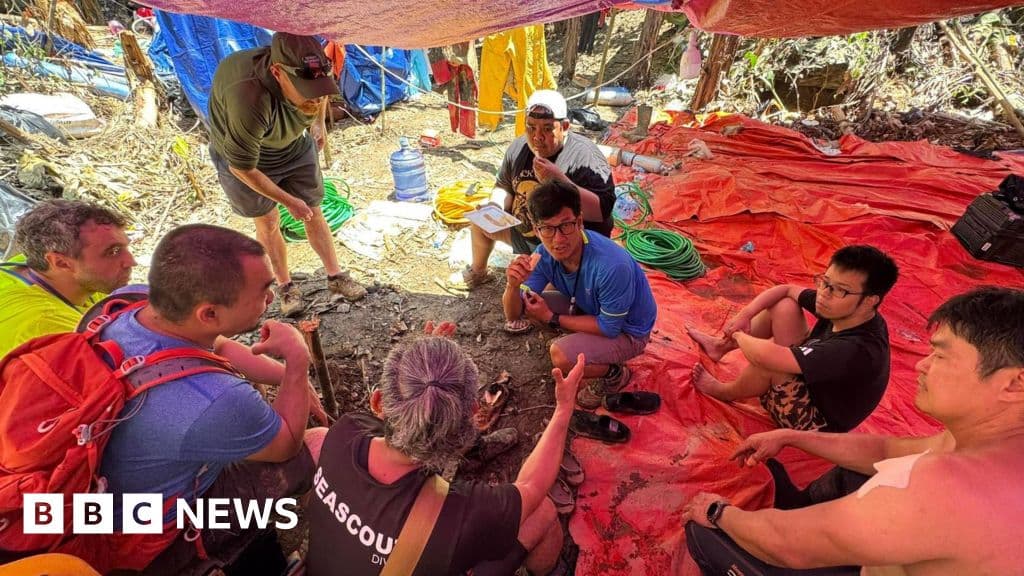
Survivors of the Laos cave rescue are aiding efforts to find the last two missing men trapped inside, sharing crucial insights for the search operation.
BBC World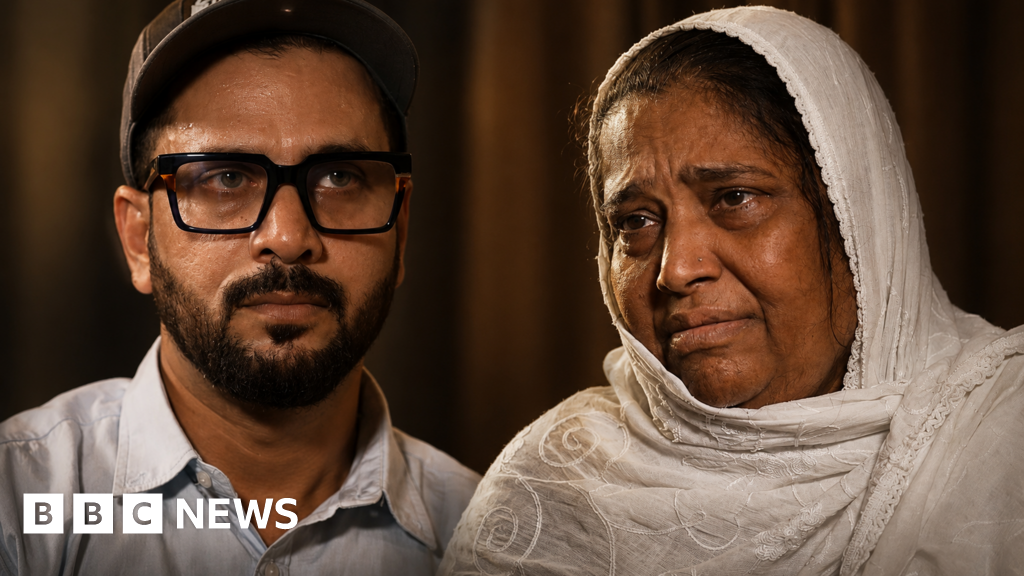
A year after the tragic Air India crash, the Ali family reflects on grief, unanswered questions, and the enduring bonds of love in the face of loss.
BBC Business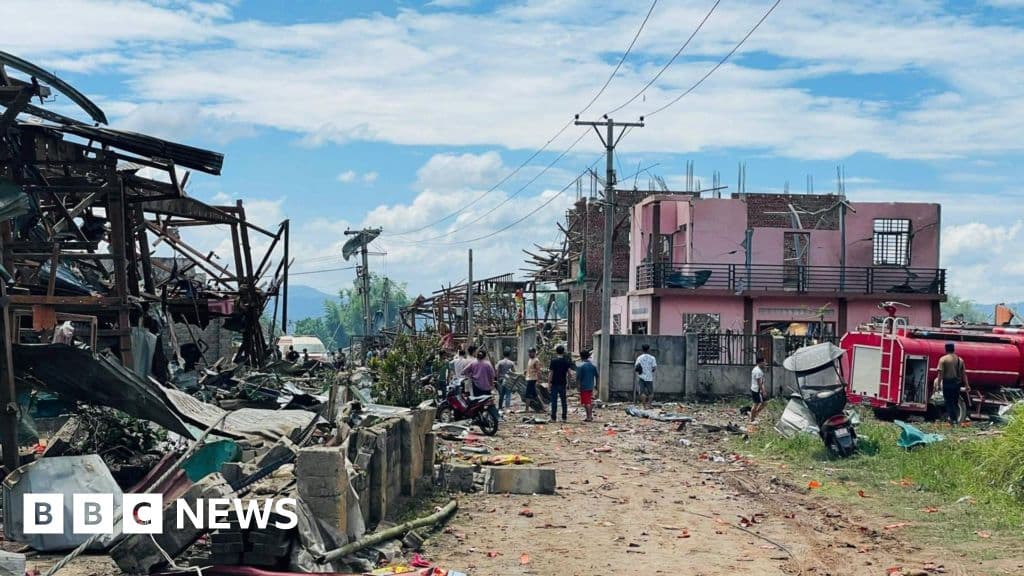
A devastating explosion in Myanmar's Kaung Tat village has killed at least 55 people, raising serious safety concerns and questions about civilian protection in conflict zones.
BBC World