
Image: BBC World
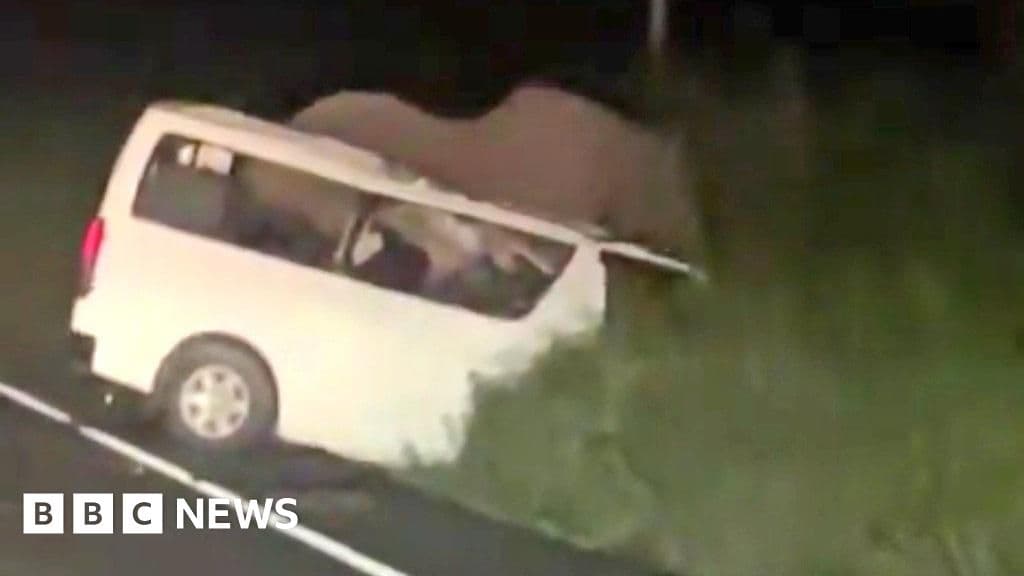
Three lives were lost in Uganda after a vehicle collided with an elephant in Murchison Falls National Park. Discover the implications of wildlife encounters.
GlipzoA recent tragedy in Murchison Falls National Park, Uganda, has left the nation in shock as three people lost their lives following a vehicle collision with an elephant. This devastating event occurred on Sunday evening, marking a grim reminder of the dangers faced by drivers in areas where wildlife and human activities intersect.
According to police reports, the vehicle was transporting seven officials from the Uganda Revenue Authority (URA) when the catastrophic accident occurred. In addition to the fatalities, four individuals sustained injuries and were promptly taken to a local medical facility before being transferred to the capital, Kampala, for further treatment. The Uganda Police Force confirmed the details of the incident on their official social media platform, X.
This tragic event is not an isolated case. Car accidents involving wildlife are becoming increasingly frequent in Uganda, fueled by the encroachment of expanding communities into protected wildlife areas. As urban development pushes into these natural habitats, the risk of collisions between vehicles and animals escalates, posing threats to both human lives and wildlife.
The Uganda Wildlife Authority (UWA) has stressed the importance of vigilance among motorists traveling through these regions. They issued a statement urging drivers to remain alert, emphasizing that wild animals often cross roads, which can lead to serious accidents.
In light of the recent accident, authorities are reiterating their call for enhanced road safety measures, particularly in areas frequented by wildlife. The UWA's message is clear: caution is paramount when navigating through national parks and wildlife reserves. The organization has highlighted several key safety tips for drivers:
The collision is indicative of a larger issue that Uganda faces: the complex relationship between wildlife conservation and human expansion. As communities grow and agriculture spreads, the habitat for wildlife diminishes, leading to increased encounters between humans and animals. This situation not only jeopardizes human safety but also threatens the survival of various wildlife species, including elephants, which are already facing challenges from poaching and habitat loss.
The Ugandan government and various conservation organizations are now at a crossroads. They must balance the needs of a growing population with the imperative to protect natural habitats. Ongoing efforts to create wildlife corridors and educate the public about the importance of coexistence are crucial in mitigating future incidents.
As the nation mourns the loss of life in this tragic accident, it is vital to consider proactive measures to prevent similar occurrences. Here are some potential steps forward:
This incident serves as a critical reminder of the need for a harmonious relationship between humans and wildlife. It underscores the importance of responsible development and the necessity of prioritizing safety in areas where wildlife and human activities intersect. As Uganda continues to grow and change, striking a balance between economic progress and environmental protection will be paramount to ensuring the safety of both its people and its wildlife.
In the wake of this tragedy, the focus must now shift to actionable solutions that can prevent future accidents, ensuring that both human lives and wildlife can coexist peacefully in Uganda’s rich natural landscapes.
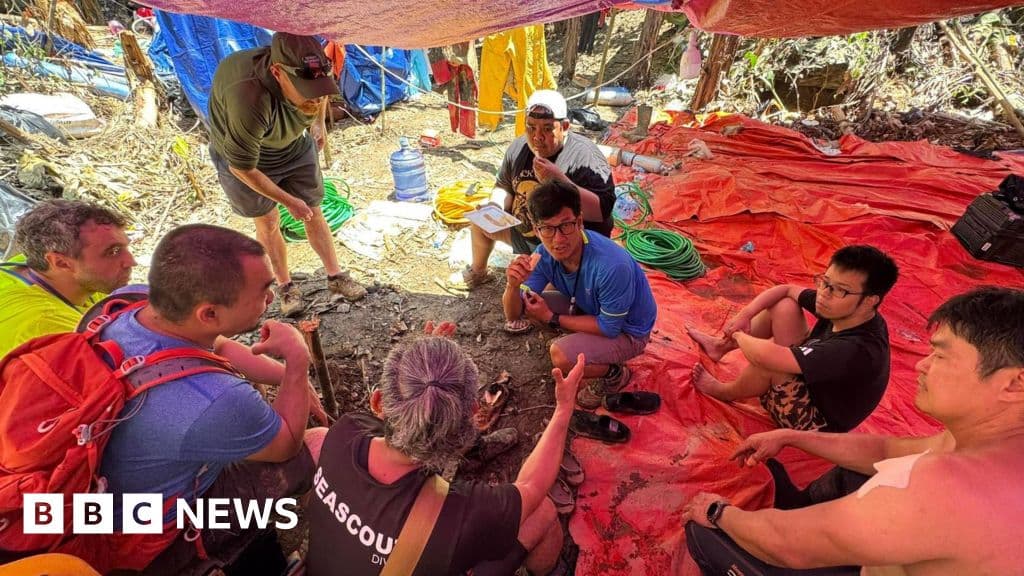
Survivors of the Laos cave rescue are aiding efforts to find the last two missing men trapped inside, sharing crucial insights for the search operation.
BBC World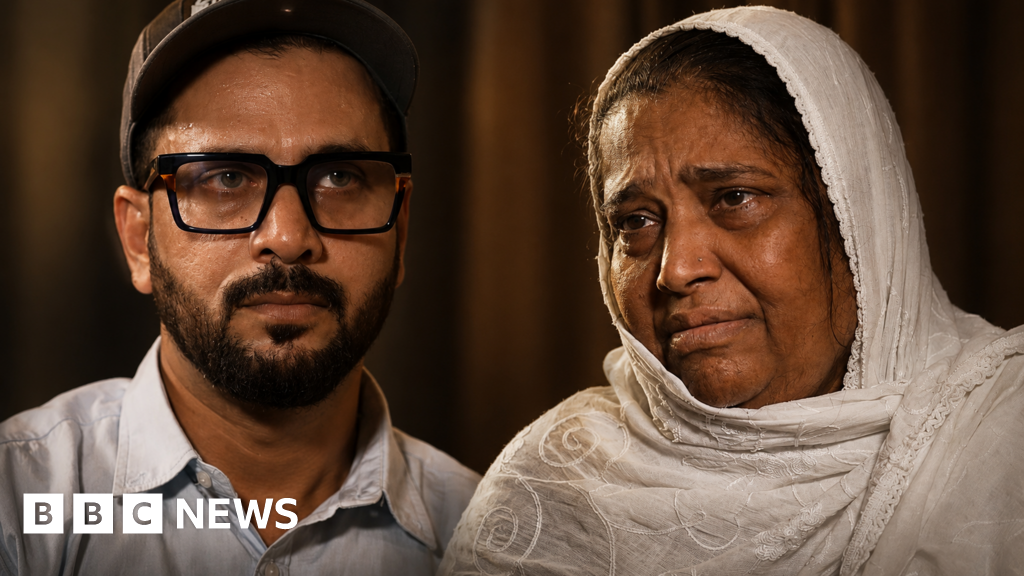
A year after the tragic Air India crash, the Ali family reflects on grief, unanswered questions, and the enduring bonds of love in the face of loss.
BBC Business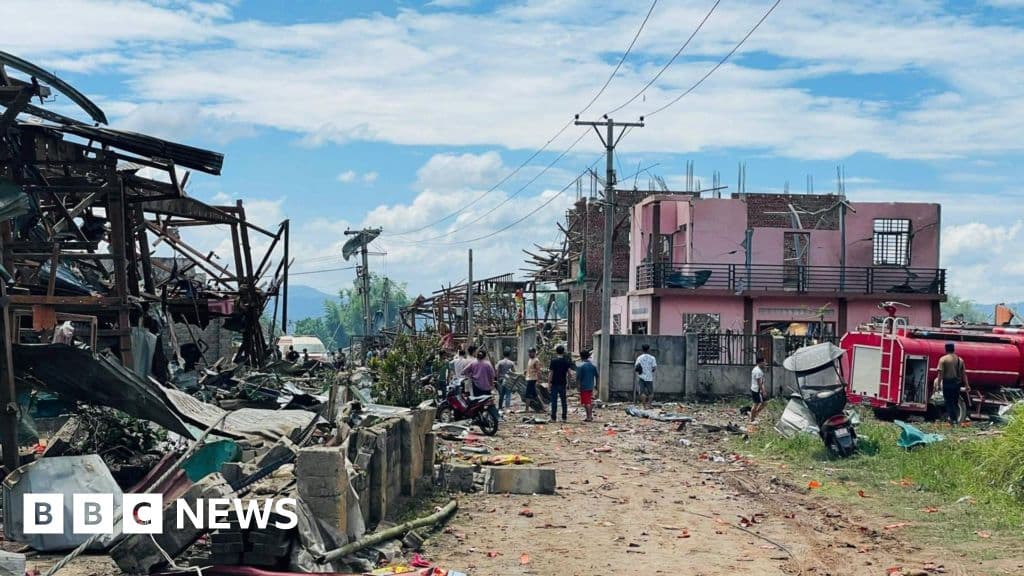
A devastating explosion in Myanmar's Kaung Tat village has killed at least 55 people, raising serious safety concerns and questions about civilian protection in conflict zones.
BBC World