

Image: The Hindu
A tragic bridge collapse in Delhi's Roop Nagar kills a woman, raising urgent concerns about infrastructure safety and maintenance in urban areas.
GlipzoOn the morning of March 17, 2026, a devastating incident unfolded in Roop Nagar, a neighborhood in north Delhi, as a 60-foot iron bridge collapsed over a local drain, resulting in the tragic death of a woman. According to officials from the Delhi Fire Service (DFS), this unforeseen tragedy has raised urgent concerns regarding the safety and maintenance of such structures in the city.
The victim, a woman believed to be around 50 years old, was a beggar who was caught beneath the wreckage as the bridge fell. Eyewitness reports suggest that she was in the vicinity when the structure succumbed to what authorities suspect could be a combination of structural failure and neglect. This incident highlights the pressing need for infrastructure assessments in urban areas to prevent such catastrophic events.
Delhi, a bustling metropolis with a population exceeding 20 million, has long struggled with issues surrounding its infrastructure. Many bridges, roads, and public facilities have suffered from years of inadequate maintenance, leading to concerns about their structural integrity. The collapse in Roop Nagar is a stark reminder of the potential dangers posed by aging infrastructure in urban environments.
Key factors contributing to infrastructure failure include: - Lack of regular inspections: Many structures go unchecked for extended periods, raising safety risks. - Environmental wear and tear: Weather conditions can erode the durability of materials over time. - Increased urbanization: The surge in population density often outpaces infrastructure development and maintenance.
The tragedy in Roop Nagar may prompt local authorities to reassess their infrastructure maintenance policies. Delhi's government must prioritize inspections and repairs to prevent further incidents that could endanger lives.
Following the bridge collapse, local residents expressed their shock and sadness at the tragic loss of life. Many voiced their concerns about the safety of other nearby structures, fearing that similar incidents could occur if immediate action is not taken.
Officials from the Delhi Fire Service were promptly dispatched to the scene, but unfortunately, the woman was pronounced dead after being retrieved from the nala (drain) below. The local community is now left grappling with the aftermath of this tragedy while demanding accountability and improvements from their municipal authorities.
This incident is not just a local tragedy; it resonates across urban areas globally where aging infrastructure poses a constant threat to public safety. The Roop Nagar bridge collapse serves as a critical wake-up call for policymakers and city planners. It underscores the importance of proactive measures to ensure the safety of public structures, which include: - Regular maintenance and inspections of all infrastructural assets. - Public awareness campaigns to educate citizens about potential hazards. - Investment in modern materials and engineering solutions that enhance structural resilience.
As the investigation into the Roop Nagar incident unfolds, it will be crucial to monitor how local authorities respond to this tragedy. Will this serve as a catalyst for a broader initiative to improve infrastructure safety across Delhi? Key points to watch for include: - Government response: Will there be immediate reviews of other aging structures in the city? - Public advocacy: How will the community mobilize to demand action and accountability? - Policy changes: Can this incident lead to new regulations or funding for infrastructure maintenance?
The collapse of the bridge in Roop Nagar is a stark reminder of the importance of infrastructure safety and the collective responsibility of authorities and citizens alike to ensure public welfare. As the community mourns the loss of a life, it is imperative that we learn from this tragedy to prevent future occurrences.
In conclusion, the path forward must involve a commitment to better infrastructure management practices, ensuring that no more lives are lost due to preventable disasters. The fate of Delhi's infrastructure hangs in the balance, and immediate action is essential to safeguard its citizens.
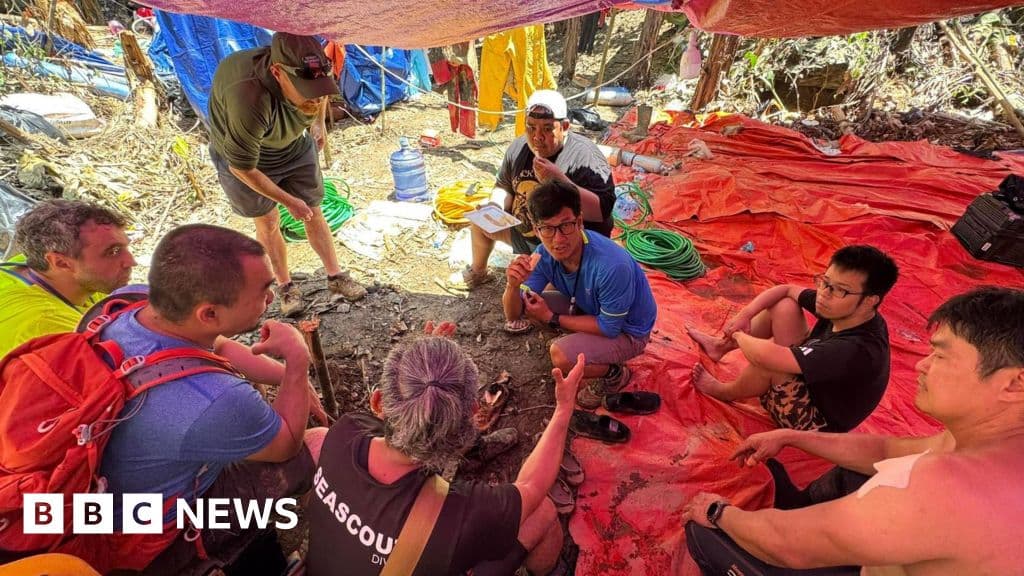
Survivors of the Laos cave rescue are aiding efforts to find the last two missing men trapped inside, sharing crucial insights for the search operation.
BBC World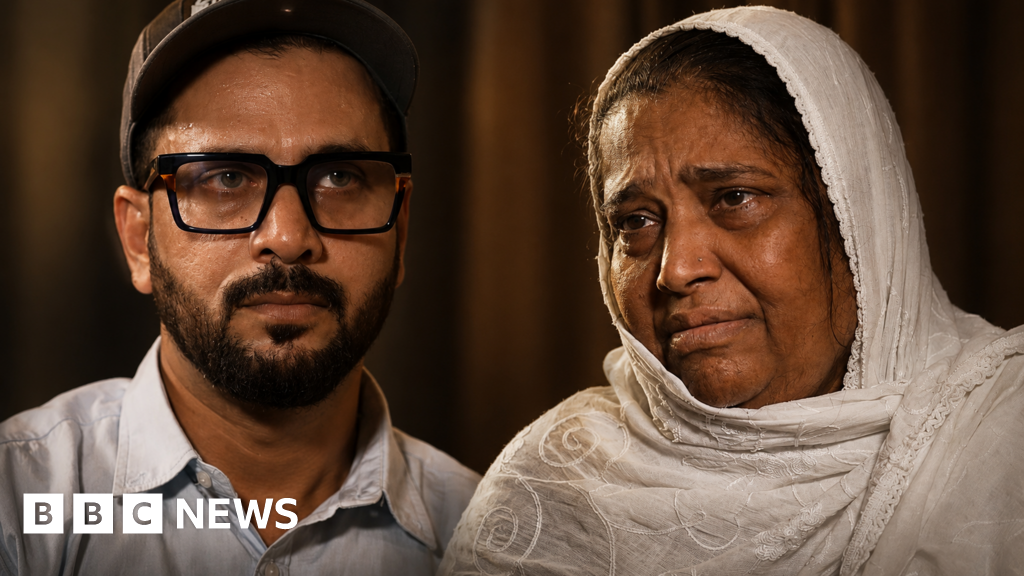
A year after the tragic Air India crash, the Ali family reflects on grief, unanswered questions, and the enduring bonds of love in the face of loss.
BBC Business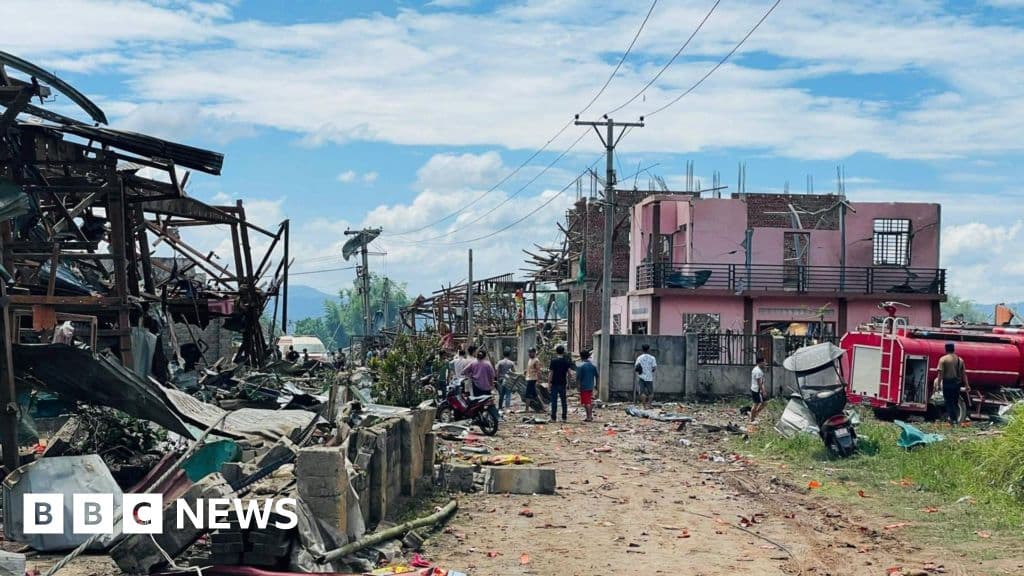
A devastating explosion in Myanmar's Kaung Tat village has killed at least 55 people, raising serious safety concerns and questions about civilian protection in conflict zones.
BBC World