
Image: BBC World
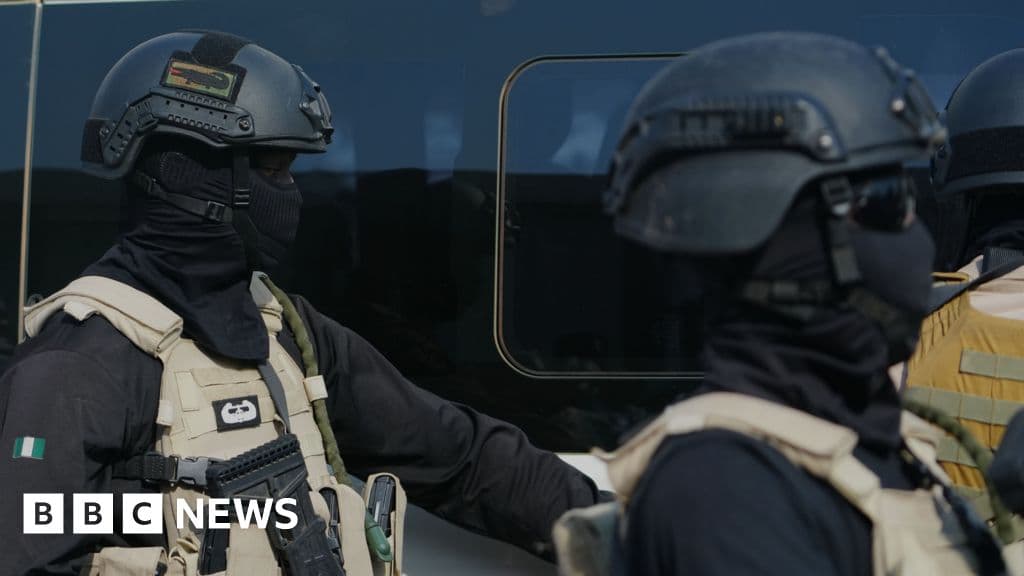
A tragic air strike in Nigeria's northeastern region has left civilians feared dead, raising concerns about military operations amidst ongoing insurgency. What happened?
GlipzoIn a tragic incident that has raised alarms and sparked outrage, civilian casualties are feared after a Nigerian military air strike reportedly hit a market in the northeastern region of the country. This event unfolded near the border of Yobe and Borno states, a region already beleaguered by the ongoing insurgency of the militant group Boko Haram.
The air strike occurred on Saturday, when Nigerian Air Force jets were said to be conducting operations aimed at targeting Islamist militants. According to numerous reports, including those from Reuters and local sources, the strikes were part of a broader effort to eliminate terrorist strongholds in the area. However, the Air Force has not confirmed that the market was the target of the attack or that any civilian casualties occurred.
The market strike has caused widespread panic, with conflicting reports regarding the number of casualties. Local councillor Lawan Zanna Nur Geidam indicated that at least 200 individuals might have died, according to information he received from local residents and humanitarian officials. He described the incident as “devastating,” stressing that the injured were rushed to hospitals in both Yobe and Borno states.
However, other Nigerian media outlets provided varying accounts of the incident: - The Sun and Punch reported that only 10 people were confirmed dead. - Daily Trust cited an eyewitness who claimed 56 fatalities and 14 injured individuals.
This discrepancy highlights the chaotic aftermath of the air strike and raises questions about the accuracy of reports from the scene.
The Jilli Market, where the air strike took place, typically draws traders and buyers from surrounding communities, making it a vital hub for local commerce. The Yobe State Emergency Management Agency reported that it had received preliminary information regarding casualties at the market and immediately dispatched assessment teams to the area. However, they emphasized that the exact nature of the incident and the total number of casualties remain unverified.
Brigadier General Dahiru Abdulsalam, representing the Yobe state government, confirmed that residents from the Geidam local government area who visited the market had been affected by the strike. The urgency of the situation has prompted emergency response mechanisms to be activated, although the full scope of the incident remains unclear.
Amid the chaos, Ahmed Ali, a 43-year-old trader, recounted his terrifying experience during the attack. He described the moment the blast occurred, saying, “I became so scared and attempted to run away, but a friend dragged me and we all lay on the ground.” His account underscores the panic and fear that enveloped the market at the time of the strike.
Human rights organization Amnesty International has condemned the air strike, asserting that it resulted in the deaths of over 100 people. The organization criticized the military's actions, stating, “Launching air raids is not a legitimate law enforcement method by anyone's standard.” They labeled the attack as “reckless” and indicative of a “shocking disregard for civilian lives.”
This incident is not isolated; Nigeria’s northeastern region has witnessed a series of similar tragedies where military operations against Boko Haram have mistakenly targeted civilians. Villages, camps for internally displaced persons, and markets have all suffered from these miscalculations, leading to many civilian casualties over the years.
The Boko Haram insurgency, which has persisted for over a decade, has displaced more than two million people and led to thousands of deaths. The military's strategy of using air strikes to combat these insurgents has come under scrutiny, particularly when civilian lives are put at risk.
As the situation develops, the Nigerian government faces mounting pressure to ensure accountability and transparency regarding military operations. The humanitarian implications of the air strike at Jilli Market demand urgent attention, as communities in the region continue to grapple with the consequences of violence.
Moving forward, it is crucial for the military to reassess its tactics and implement measures that prioritize civilian safety in conflict zones. Humanitarian organizations and local governments must work collaboratively to provide support and aid to those affected by this devastating event.
In summary, the tragic air strike has not only caused immediate loss and suffering but also highlighted the urgent need for a strategic approach to combatting insurgency without jeopardizing civilian lives. As the investigation continues, the world will watch closely to see how the Nigerian government responds to this crisis and what steps it will take to prevent similar incidents in the future.
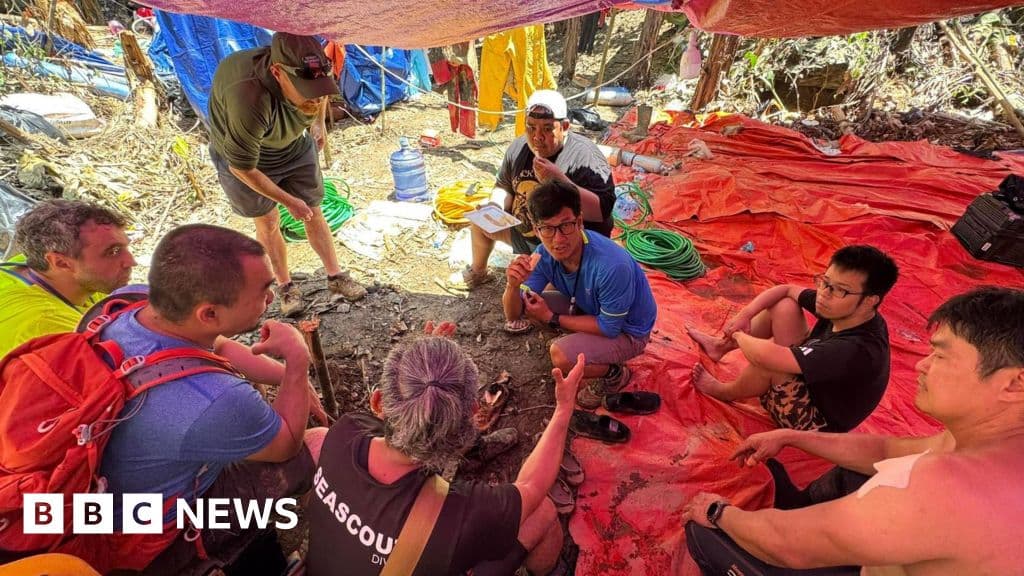
Survivors of the Laos cave rescue are aiding efforts to find the last two missing men trapped inside, sharing crucial insights for the search operation.
BBC World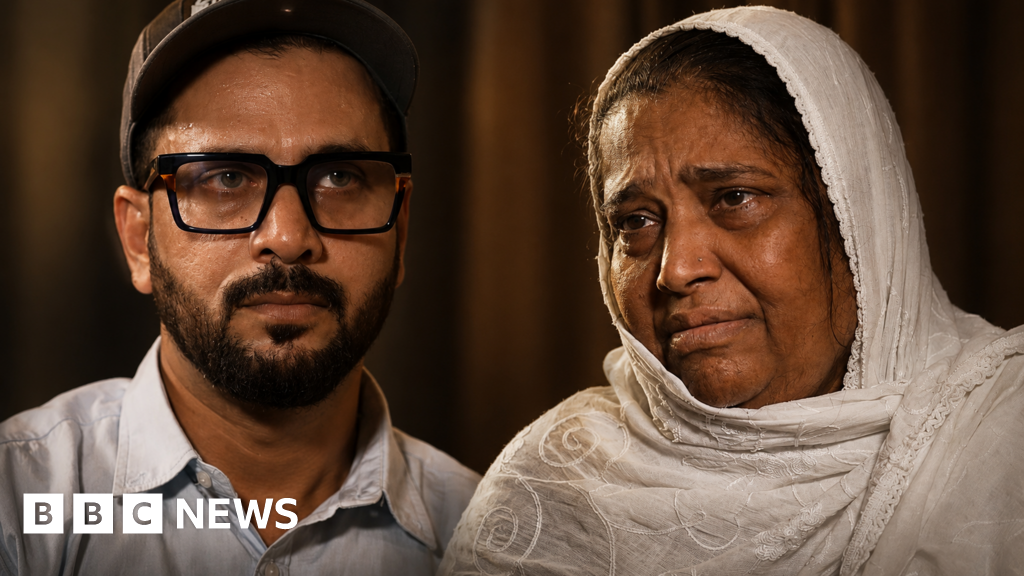
A year after the tragic Air India crash, the Ali family reflects on grief, unanswered questions, and the enduring bonds of love in the face of loss.
BBC Business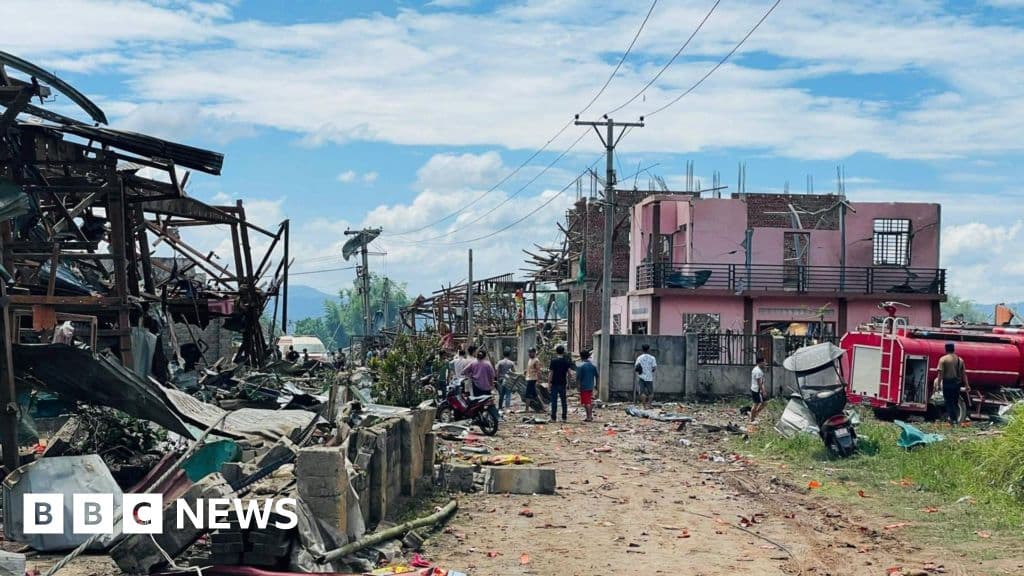
A devastating explosion in Myanmar's Kaung Tat village has killed at least 55 people, raising serious safety concerns and questions about civilian protection in conflict zones.
BBC World