
Image: BBC World
A recent Israeli airstrike in Lebanon tragically kills eight family members, including three children, raising urgent questions about civilian safety in conflict.
GlipzoIn the ongoing conflict between Israel and Hezbollah, a recent airstrike in Lebanon has resulted in a devastating loss of life, capturing international attention. On Wednesday evening, an Israeli military strike targeted a home in the village of Younine, killing eight family members, including three children aged five, nine, and fourteen, as they gathered to break their Ramadan fast.
The aftermath of this bombing has left a community in mourning and raised questions about the ongoing violence. The Israeli Defense Forces (IDF) defended their actions, stating that the strike was aimed at Hezbollah terrorist infrastructure. However, neighbors and relatives dispute this claim, asserting they had no knowledge of any militant activities in the area.
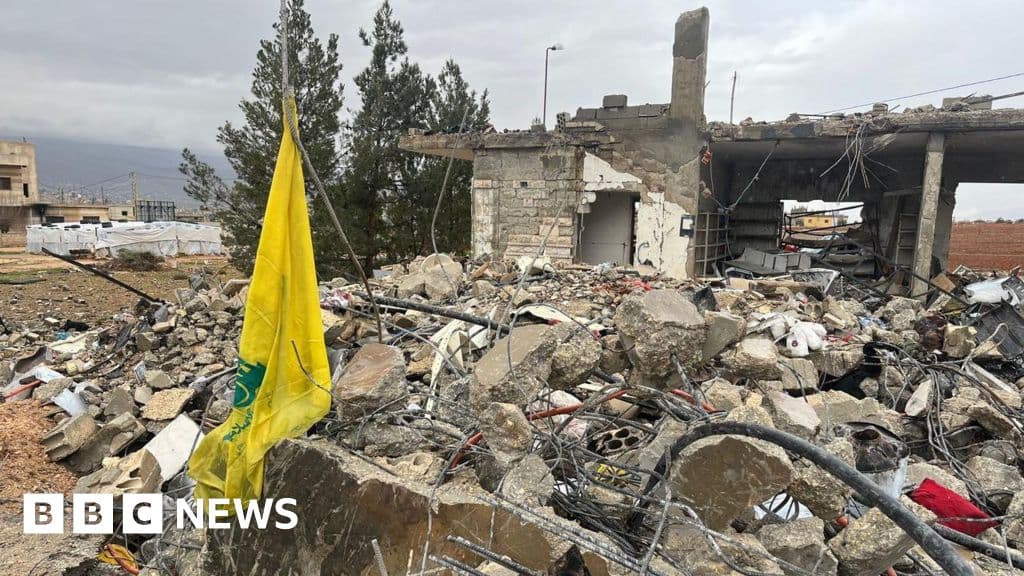
The remnants of the home tell a harrowing story. Among the rubble, the yellow flag of Hezbollah was spotted, juxtaposed with children's toys and packets of sweets, symbolizing the innocent lives lost. Locals described the blast as sudden and terrifying, with one resident, a shepherd, recalling how he rushed to the scene after hearing the explosion to find the structure reduced to debris.
The shepherd, shaken by the events, shared his distress, stating, “My kids and I were all terrified. The whole area was… I have no words to explain what I saw.” His daughter, who was friends with one of the victims, has struggled to cope since the tragedy.
The strike has not only taken lives but has also deeply affected the community in Younine. A Syrian refugee living nearby expressed her shock, describing the family as kind and generous, often extending credit at their shop. “It all happened so suddenly,” she lamented, emphasizing her bewilderment at the targeting of such decent people.
As the chaos unfolded, household items from the shop—like bottles of fizzy drinks and cartons of yoghurt—were strewn among the debris, painting a grim picture of normalcy shattered. A framed photograph of Ayatollah Ruhollah Khomeini was also uncovered, hinting at the family's religious connections.
According to Hassan al-Tahan, a local teacher and the brother of the homeowner, the family had been hosting an Iftar meal when the attack occurred. “It was three related families having an Iftar together. We always have gatherings,” he explained, illustrating the deep community ties that have now been fractured.
Despite the prevalent support for Hezbollah in the region, Tahan vehemently insisted that his family members were civilians, stating, “We don’t have any military.” This sentiment reflects the complexity of the situation in Lebanon, where the lines between civilian life and militant actions are often blurred.
The ongoing hostilities between Israel and Hezbollah have escalated significantly over the past two weeks, with hundreds of airstrikes reported across Lebanon, particularly targeting the southern regions and Beirut's southern suburbs. According to the Lebanese health ministry, the violence has claimed over 800 lives, including healthcare workers and innocent civilians.
Israel has justified its military campaign by accusing Hezbollah of embedding military operations within civilian areas, raising ethical questions about the conduct of warfare. The tragic loss of life in Younine serves as a stark reminder of the civilian toll in these conflicts.
The tragic events in Younine underscore a critical aspect of modern warfare—the devastating impact on innocent lives caught in the crossfire. As conflicts escalate, it becomes increasingly vital to address the humanitarian crises that arise, ensuring that the voices of affected communities are heard.
The international community must grapple with the implications of such violence, sparking discussions about accountability and the protection of civilians in conflict zones. The tragedy of Younine serves as a poignant example of the urgent need for a resolution to the ongoing violence.
As tensions remain high in the region, observers should monitor several key developments: - Continued Violence: Expect further airstrikes and military actions as both sides remain entrenched in their positions. - Humanitarian Response: Watch for international efforts to provide aid to displaced families and communities affected by the violence. - Diplomatic Efforts: Keep an eye on potential peace negotiations or ceasefire discussions that may arise as the humanitarian situation worsens.
The situation in Lebanon is evolving rapidly, and the tragic loss of life in Younine is a vivid reminder of the urgent need for dialogue and resolution amidst ongoing conflict. The lives lost should not be forgotten, and their stories must contribute to the broader conversation on peace and stability in the region.
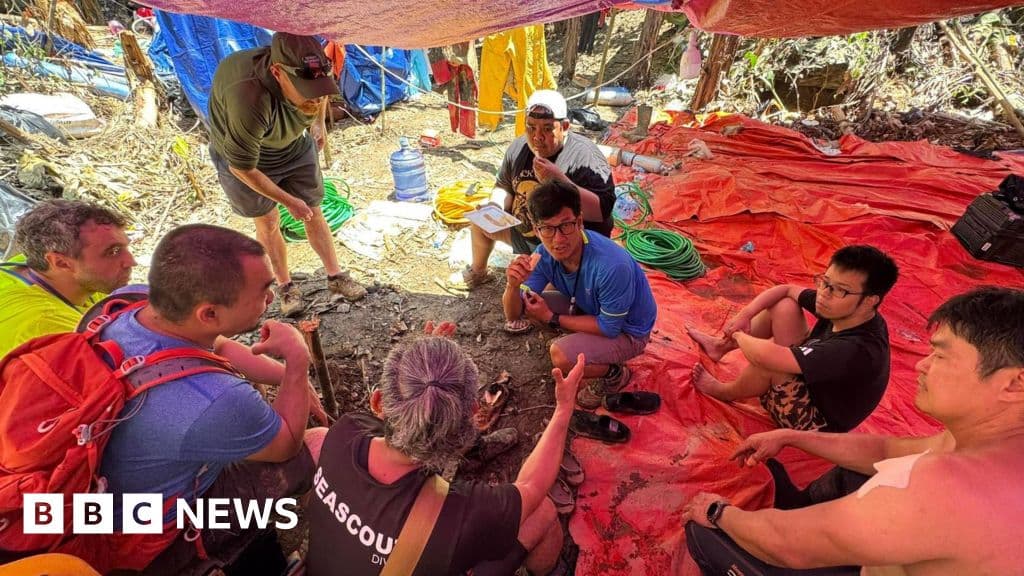
Survivors of the Laos cave rescue are aiding efforts to find the last two missing men trapped inside, sharing crucial insights for the search operation.
BBC World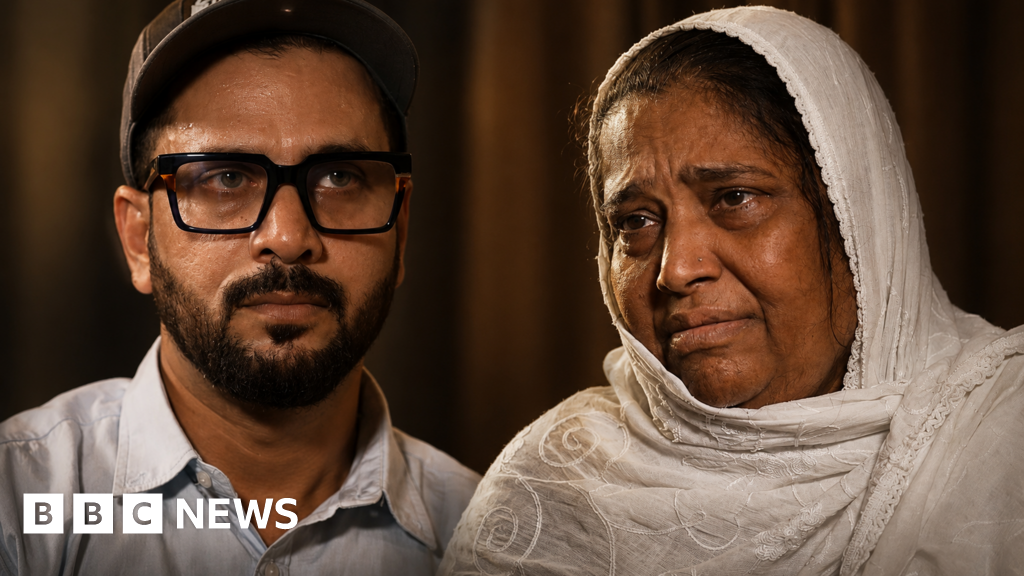
A year after the tragic Air India crash, the Ali family reflects on grief, unanswered questions, and the enduring bonds of love in the face of loss.
BBC Business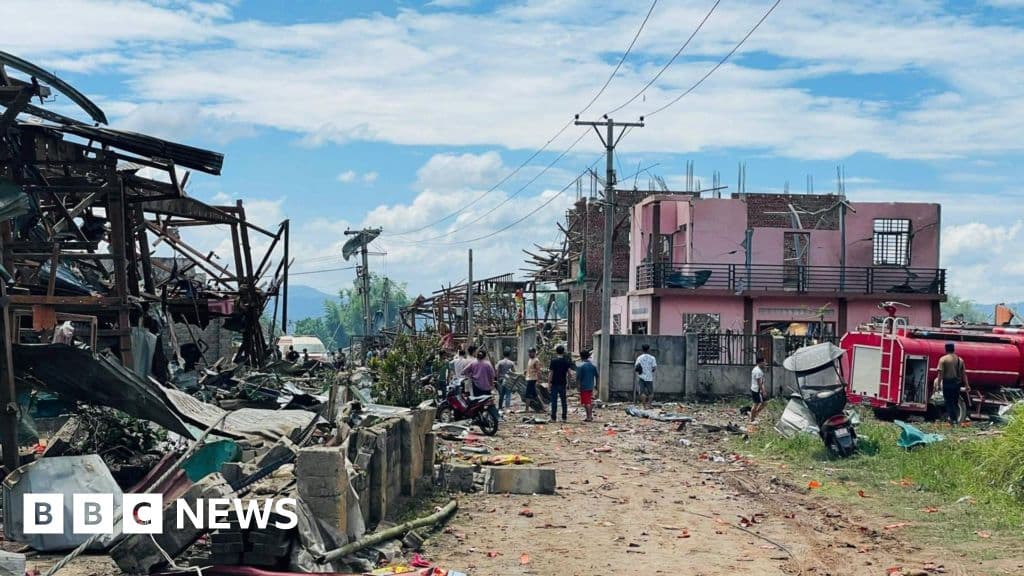
A devastating explosion in Myanmar's Kaung Tat village has killed at least 55 people, raising serious safety concerns and questions about civilian protection in conflict zones.
BBC World