
Image: BBC Business
Rising fuel prices are hitting UK tourism hard, forcing attractions to innovate as visitor numbers plummet. Discover the impacts and future outlook.
GlipzoIn a troubling trend for the tourism sector, rising fuel prices are forcing many families to rethink their leisure activities. The economic fallout from the ongoing conflict in Iran has reverberated through various sectors, hitting local attractions particularly hard. Visit Somerset, an organization dedicated to promoting tourism in the region, reported that visitor bookings for attractions in Somerset have plummeted by an alarming 50%. Chief Executive John Turner expressed serious concerns, stating, "We will see B&Bs, even hotels, collapse into administration" if the trend continues.
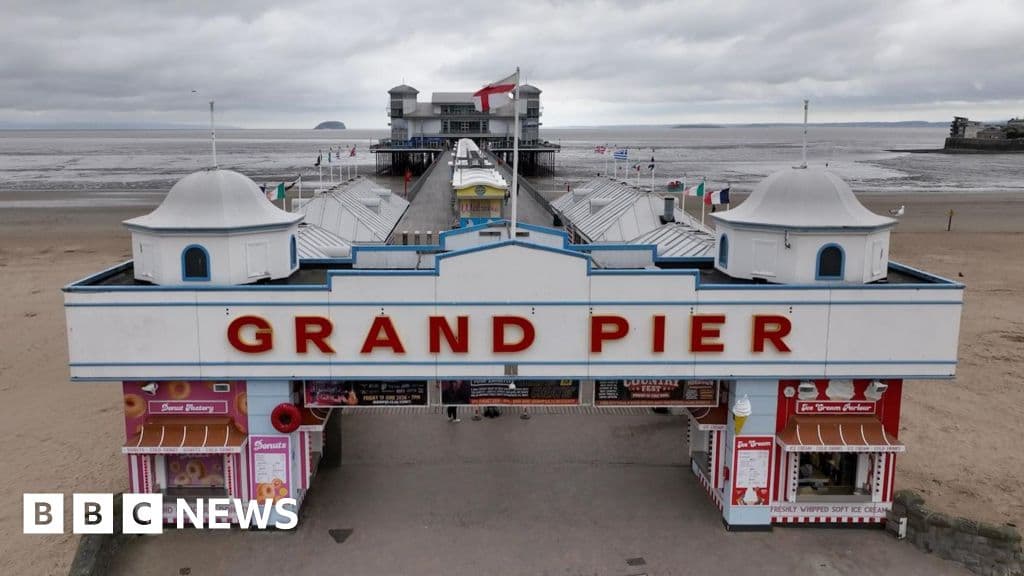
The implications of declining tourism are profound. As people tighten their budgets, iconic sites like the Bishop's Palace in Wells and the Grand Pier in Weston-super-Mare are witnessing a downturn in visitors. With the cost of living skyrocketing, many families are becoming increasingly selective about how they spend their leisure funds.
The impact of fuel price hikes is palpable in popular destinations. At the Grand Pier, where admission is only £2, the management has noticed a 6% drop in visitors during the Easter season compared to the previous year. Michelle Michael, the pier's manager, remarked on the shift in consumer behavior: "People are more cautious, yes. Everyone is noticing people are holding onto their money."
Similarly, the Bishop's Palace has seen a decline of about 10% in visitors during Easter 2026 compared to the previous year. Merryn Kidd, the CEO of the palace, noted that while people are still coming out, the numbers are definitely lower.
A recent survey conducted by Visit Somerset indicated that 50% of tourism businesses reported a significant decline in visitor numbers. Furthermore, one in four businesses noted an increase in cancellations. John Turner attributes this downturn to rising fuel and food prices, coupled with a general atmosphere of uncertainty that leads consumers to be more frugal.
"Tourism relies on people's disposable income," Turner explained. "When disposable income falls, our businesses suffer. And right now, people have a lot less disposable income."
To combat the declining numbers, local attractions are implementing creative strategies to attract visitors. The Grand Pier has introduced free face painting and train rides during weekends and school holidays to add value to the family experience.
On a more radical note, the Bishop's Palace offered free admission for a day, which resulted in a surge of 5,000 visitors—doubling their previous daily record. Merryn Kidd emphasized the importance of making heritage sites accessible, stating, "It just shows people do want to come and see wonderful heritage sites like ours, and beautiful gardens, but cost is putting them off."
Despite the success of the open day, there are currently no plans to make permanent price reductions. In contrast, the Dean Heritage Centre in the Forest of Dean has taken a bolder approach by eliminating admission fees altogether and relying on donations to support their operations.
The challenges facing tourism extend beyond just visitor numbers. Local economies that rely heavily on tourism are feeling the strain as fewer visitors mean less spending in shops, restaurants, and hotels. Abbie Stewart, the marketing officer at the Dean Heritage Centre, described the anxiety that came with the decision to eliminate admission fees. However, the hope is that by reducing barriers, they can encourage more visitors to engage with local history and culture.
The struggle of local attractions illustrates a larger issue impacting communities across the UK. As families feel the pinch from rising costs, the importance of affordable leisure activities becomes more pronounced. The tourism sector not only contributes to local economies but also enriches community life by promoting cultural heritage and social engagement.
As the summer season approaches, the tourism industry is bracing for what could be a challenging few months. With consumer confidence wavering, local attractions must continue to innovate and find ways to attract visitors amid financial constraints.
Key Takeaways for the Future: - Continued monitoring of fuel prices and disposable income trends will be crucial for the tourism sector. - Attractions may need to consider further promotional strategies or partnerships to sustain foot traffic. - Community engagement and outreach could play a pivotal role in revitalizing interest in local sites as families seek affordable entertainment options.
In conclusion, while the current economic climate poses significant challenges, there remains a strong desire among the public to support local attractions. The key will be finding a balance between affordability and sustainability for these cherished community resources.
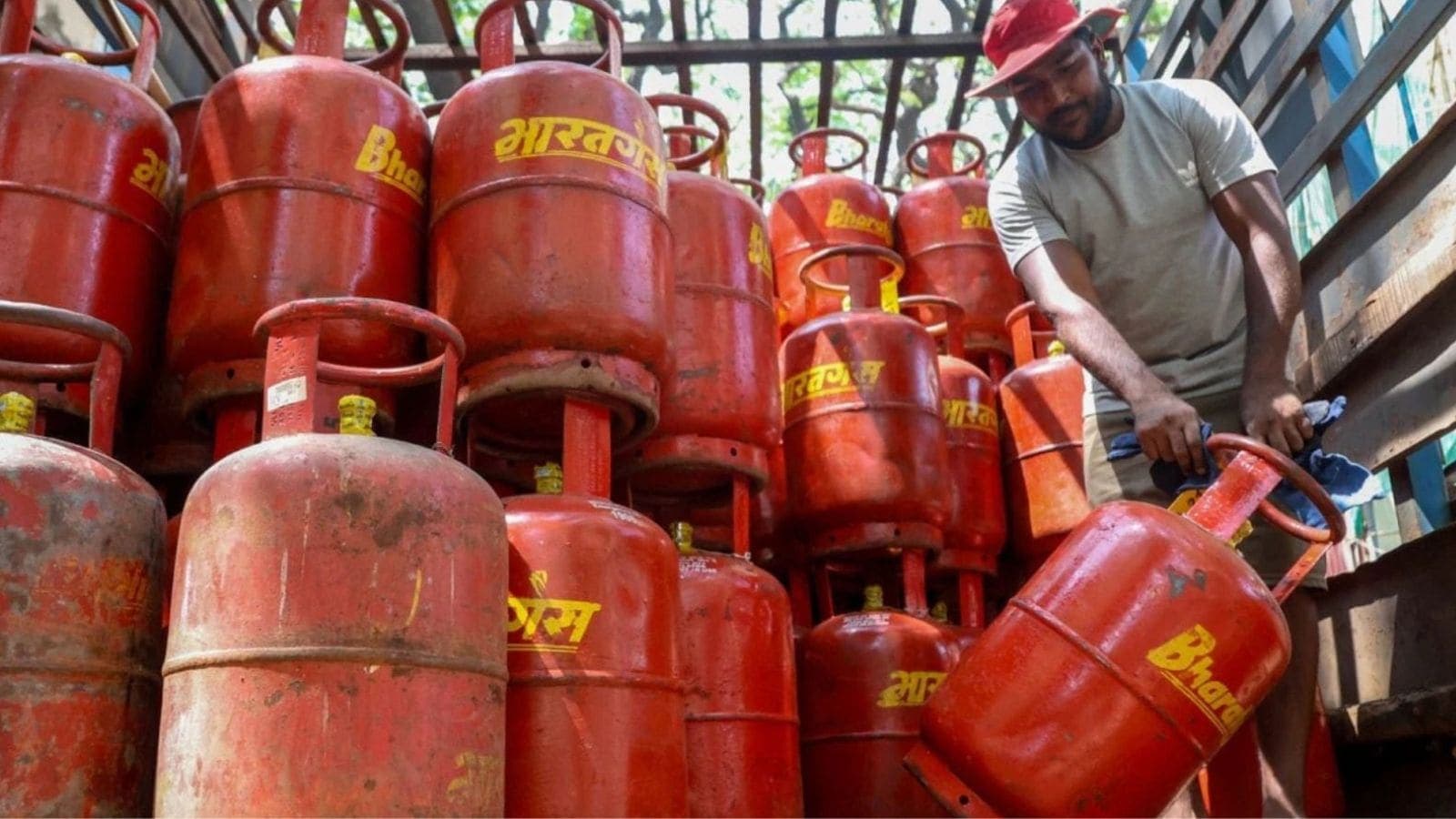
Commercial LPG prices have risen again, with increases of ₹42 in Delhi and ₹53.50 in Kolkata impacting businesses and consumers alike. Find out more.
Indian Express
Discover how a tragic coal mine explosion in Shanxi, China, reveals ongoing safety concerns in the industry amidst a push for green energy.
BBC Business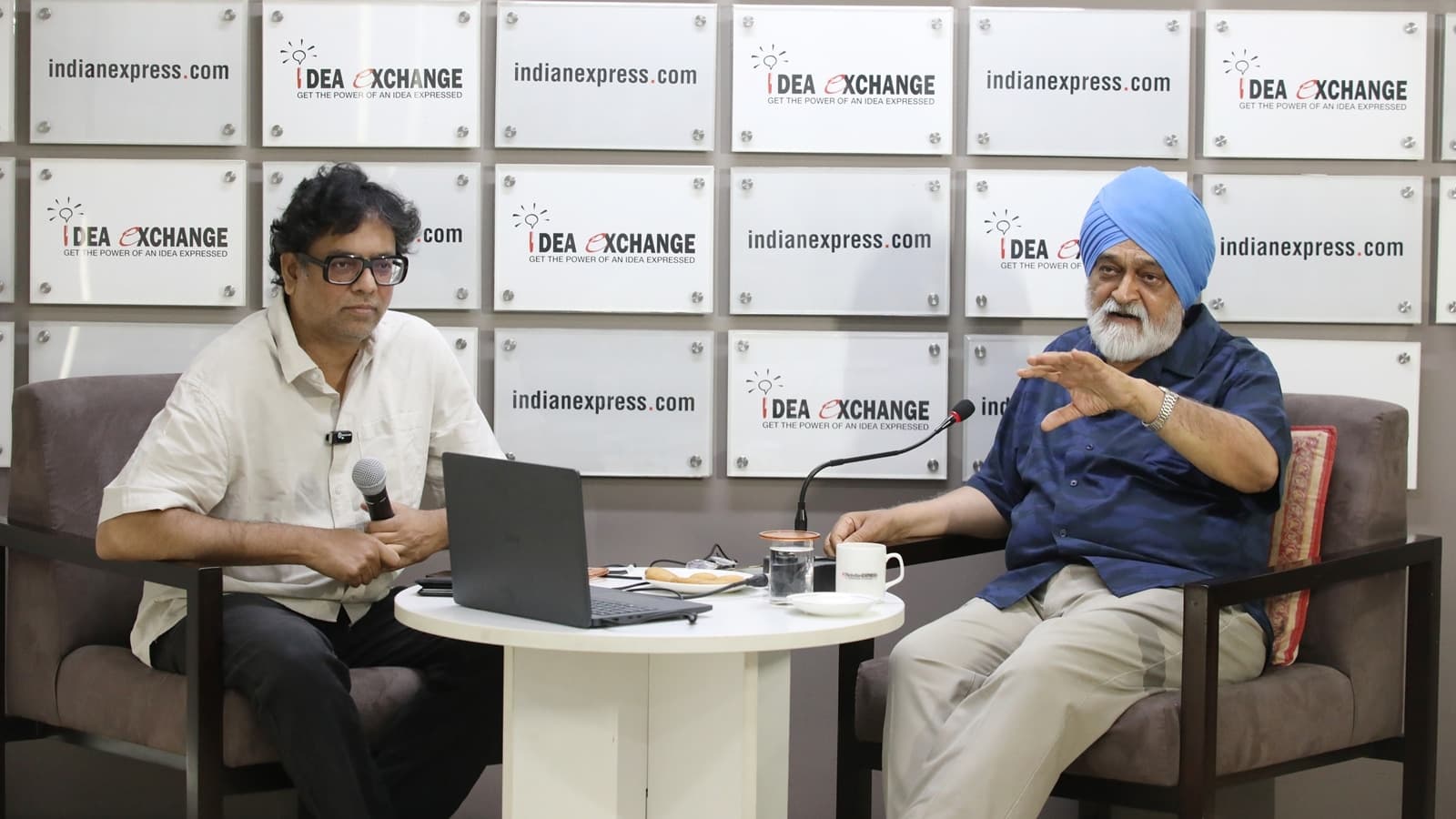
Montek Singh Ahluwalia highlights key economic challenges for India, emphasizing the need for a strategic approach to balance payments and investment.
Indian Express