

Image: Indian Express
What is the future of work in an AI-driven world? Explore how technology is reshaping careers and our sense of purpose in society.
GlipzoAs we stand on the precipice of a new era defined by rapid technological advancements, a profound question emerges: What does the future of work look like in an age dominated by artificial intelligence (AI)? This inquiry has been compellingly addressed by Pope Leo in his recent document, "Magnifica Humanitas". The Pope emphasizes that work transcends mere financial gain; it's a crucial component of our humanity, serving as a pathway to personal growth and fulfillment. Yet, as AI continues to evolve, it disrupts traditional employment structures, raising concerns about job security across various sectors, including investment banking and law.
In today's optimization-driven society, the fear of becoming obsolete looms large. The traditional narrative of success—studying hard, attaining a degree, and securing a stable job—now feels increasingly outdated. Society has long equated productivity with self-worth, leading to an uncomfortable truth: many may find themselves waking up one day without a clear purpose or place to go. The question then arises: Will our perspective on work fundamentally change? Perhaps social interactions will shift from inquiries about occupations to discussions about hobbies and personal passions.
For generations, society has upheld the belief that a meaningful life requires a vocation. Individuals without traditional employment often face judgment, as if their existence lacks value. This notion is deeply embedded in cultural narratives, where even biblical teachings suggest that idleness equates to moral failings. Yet, we must consider a broader context: many individuals around the globe engage in unskilled labor simply to survive, often accepting their situation due to financial necessity rather than passion.
Pope Leo's reflections echo a critical truth: the need for meaningful contribution is universal. However, the reality is stark; among the three billion workers worldwide, many endure tedious jobs primarily for monetary reasons, not because they find joy in their work. This raises an important point about the nature of employment and the societal structures that uphold it. Here are some key considerations: - Volunteering is often misconstrued as a lack of ambition rather than a valid choice for personal growth. - Governments worldwide create employment initiatives to mitigate social unrest from high unemployment rates. - The majority of jobs people hold are not fulfilling; they are often a means to an end.
As AI continues to absorb many mundane job roles, a silver lining emerges: the potential for individuals to explore their passions. The stark reality is that many people are dissatisfied with their current jobs, often feeling trapped by circumstances that dictate their career paths. If job security becomes a relic of the past, could this lead to a renaissance of personal choice in careers?
In this new landscape, work may evolve into a constant hustle rather than a steady climb up the corporate ladder. Previously, individuals could rely on gradual advancement within organizations, providing a sense of stability. Now, however, the gig economy and freelance opportunities are redefining how we view work, offering both freedom and uncertainty. This shift poses unique challenges, particularly for millennials and Gen Z entering the workforce, who must navigate an unpredictable future shaped by technological innovation.
As we move forward, it’s essential to approach the future of work with an open mind. The rise of AI might lead to a reduction in traditional job roles, but it also presents an opportunity for individuals to pursue activities that resonate with their true interests and values. In a society where many despise their jobs, the prospect of choosing work based on passion rather than necessity is tantalizing.
However, this transition won’t be without its hurdles. The current generation entering the workforce is likely to face: - Increased uncertainty in job security and career stability. - A potential identity crisis as societal norms around work are challenged. - The need for continuous learning to adapt to rapidly changing job requirements.
The question of how society will adapt to these changes remains largely unanswered. As we witness the transformation of work, we must also contemplate the implications for our collective identity and sense of purpose. The shift away from traditional employment could lead to a more fulfilling existence for some, while others may struggle with the loss of job security.
In this evolving landscape, it’s crucial to rethink our values surrounding work and productivity. As we move forward, we must be vigilant in supporting individuals navigating this complex transition. The future of work is not just about AI; it’s about redefining what it means to contribute meaningfully to society. In the coming years, we will need to watch closely how these dynamics unfold, as they will shape the very fabric of our lives.
This discussion is vital as we collectively reassess our relationship with work and productivity. As AI continues to reshape industries, understanding these changes will be crucial for adapting to a new reality where meaningful contribution takes on many forms.

Commercial LPG prices have risen again, with increases of ₹42 in Delhi and ₹53.50 in Kolkata impacting businesses and consumers alike. Find out more.
Indian Express
Discover how a tragic coal mine explosion in Shanxi, China, reveals ongoing safety concerns in the industry amidst a push for green energy.
BBC Business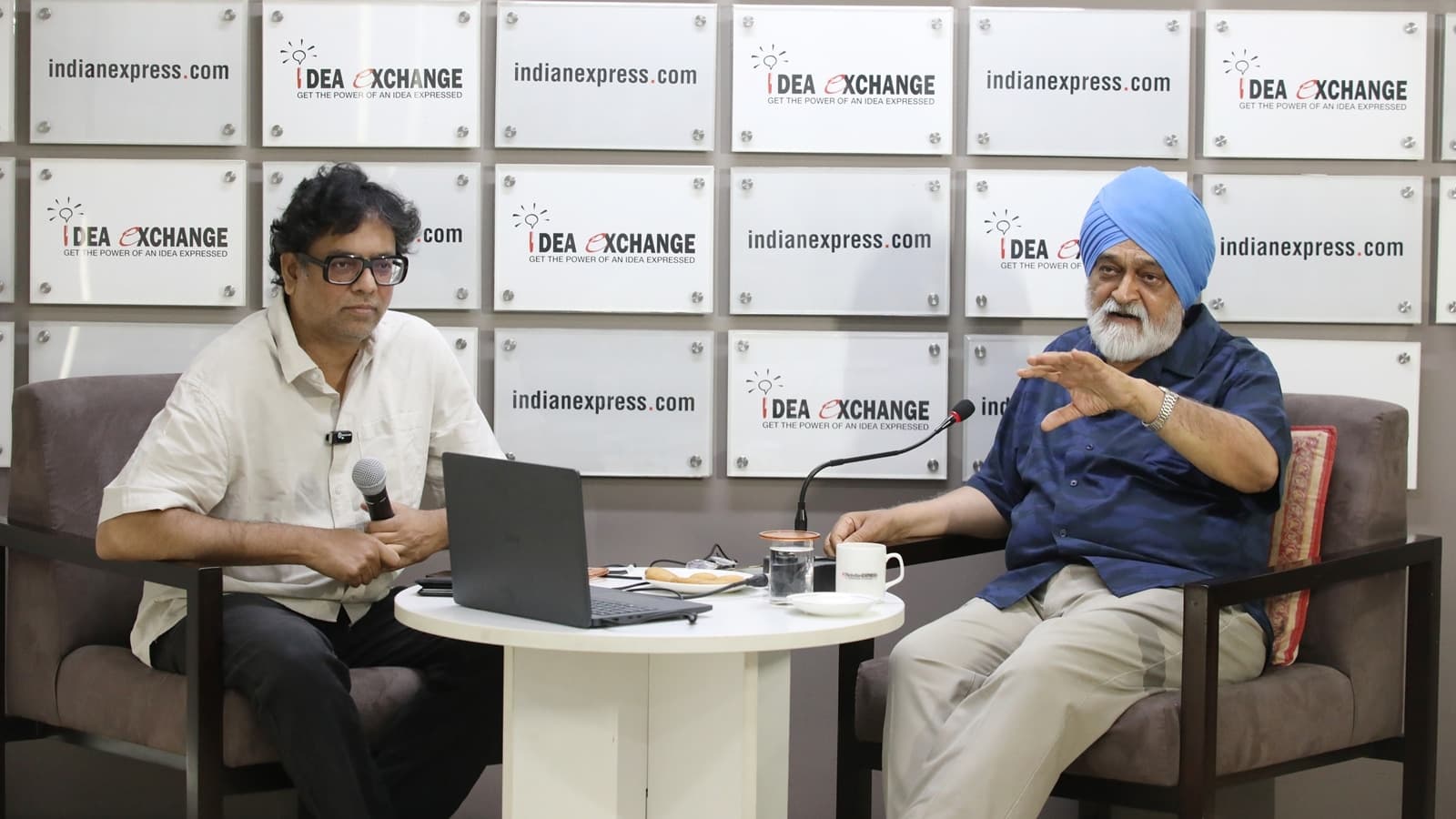
Montek Singh Ahluwalia highlights key economic challenges for India, emphasizing the need for a strategic approach to balance payments and investment.
Indian Express