

Glipzo
WorldTechnologyBusinessSportsEntertainmentScienceHealthPolitics
Glipzo
WorldTechnologyBusinessSportsEntertainmentScienceHealthPolitics
  1. Home
  2. /
  3. Business
  4. /
  5. The £5 Coffee: A Reflection of Global Economic Struggles
The £5 Coffee: A Reflection of Global Economic Struggles

Image: BBC Business

Business
Friday, May 29, 20265 min read

The £5 Coffee: A Reflection of Global Economic Struggles

Discover how a £5 coffee reflects global economic challenges, from climate change to the rise of the Chinese middle class. Learn why this matters.

Glipzo News Desk|Source: BBC Business
Share
Glipzo

Key Highlights

  • A £4 coffee price point is becoming a psychological barrier.
  • Coffee prices have soared due to climate events impacting production.
  • The modern coffee journey began in Turin, Italy, in 1895.
  • Lavazza's new cookie aims to revolutionize at-home coffee consumption.
  • Understanding coffee pricing reveals insights into global economic trends.

In this article

  • A Morning Ritual with a Price Tag At **9 AM** on a vibrant morning at **Kew Bridge** in **West London**, a charming vintage Italian coffee cart named **Dear Coco** draws a diverse crowd of tourists, joggers, and dog walkers. The air is filled with the rich aroma of **high-grade arabica coffee**, brewed with precision using a **La Marzocco** machine. However, the enticing beverages come with a steep price: **£4.50** for an iced latte, **£4.10** for a 10 oz latte, and **£3.90** for a 6 oz flat white.
  • Coffee as a Global Economic Indicator Coffee is not merely a beverage; it is a lens through which to view the complexities of the **global economy**. Each cup reveals insights into **commodity inflation**, trade disruptions, geopolitical tensions, and climate change. Furthermore, it reflects cultural shifts, particularly among **Gen Z**, and highlights the rising demand from the burgeoning **Chinese middle class**. The story of coffee also intertwines with historical legacies, such as the enduring economic repercussions stemming from the **Vietnam War**.
  • The Challenges Facing Coffee Production The coffee industry has faced significant challenges in recent years, particularly affecting the two primary varieties of coffee beans: arabica and robusta. Arabica, cherished for its sweetness and aroma, is painstakingly hand-harvested at high altitudes in countries like **Brazil**, **Ethiopia**, and **Kenya**. This labor-intensive process contrasts sharply with robusta beans, which are typically harvested en masse by machines, with **Vietnam** dominating the robusta market since its post-war resurgence in the 1970s.
  • The Future of Coffee Pricing Giuseppe Lavazza describes the past few years as an “**unprecedented time in terms of complexity and troubles**.” He warns that consumers should not expect a dramatic decrease in prices anytime soon. As the coffee industry navigates these turbulent waters, the implications for consumers and small businesses are significant.
  • Why It Matters Understanding the intricacies of coffee pricing and production is essential for consumers, coffee lovers, and industry stakeholders alike. The cost of coffee is more than just a reflection of economic trends; it serves as a barometer for global events and shifts in consumer behavior. As we look toward the future, it is crucial to remain informed about these factors that shape our daily coffee experiences.
  • What’s Next? As the coffee industry grapples with these ongoing challenges, consumers and businesses alike should keep an eye on developments in agricultural practices, climate resilience, and international trade policies. Innovations like Lavazza's cookie may provide new avenues for sustainable consumption, but the fundamental issues affecting supply chains will require concerted efforts from all stakeholders.

A Morning Ritual with a Price Tag At **9 AM** on a vibrant morning at **Kew Bridge** in **West London**, a charming vintage Italian coffee cart named **Dear Coco** draws a diverse crowd of tourists, joggers, and dog walkers. The air is filled with the rich aroma of **high-grade arabica coffee**, brewed with precision using a **La Marzocco** machine. However, the enticing beverages come with a steep price: **£4.50** for an iced latte, **£4.10** for a 10 oz latte, and **£3.90** for a 6 oz flat white.

Once considered a luxury, these prices reflect a significant shift in the coffee market across the UK, where even mainstream chains now routinely offer large coffees that flirt with the £5 mark, especially when alternative milks are included. Earlier this month, Starbucks CEO Brian Niccol faced criticism in the U.S. for suggesting that a $9 (£6.68) coffee experience was a “really affordable premium experience.”

Conversing with Anthony Duckworth, the barista at Dear Coco, reveals the challenges faced by small coffee vendors. While he appreciates the relatively lower overhead of operating a street cart, he acknowledges the pressure of rising costs. “We feel super strongly about keeping the price of a flat white under £4 for as long as possible,” Duckworth explains. “But it’s becoming increasingly difficult because every part of the supply chain has become more expensive.” The psychological barrier of the £4 price point looms large for both consumers and sellers alike.

Coffee as a Global Economic Indicator Coffee is not merely a beverage; it is a lens through which to view the complexities of the **global economy**. Each cup reveals insights into **commodity inflation**, trade disruptions, geopolitical tensions, and climate change. Furthermore, it reflects cultural shifts, particularly among **Gen Z**, and highlights the rising demand from the burgeoning **Chinese middle class**. The story of coffee also intertwines with historical legacies, such as the enduring economic repercussions stemming from the **Vietnam War**.

The journey of modern coffee can be traced back to 1895 in Turin, Italy, where the first steam-powered coffee machines were designed for busy travelers. This innovation marked the transition of coffee from a luxury to a widely consumed beverage. In a contemporary twist, I spoke with Giuseppe Lavazza, whose great-grandfather established the Lavazza coffee brand 131 years ago. He shared his vision for the future of coffee, showcasing a new product: a coffee cookie called a tabli, aimed at the growing home brewing market while minimizing reliance on environmentally harmful metal pods.

The Challenges Facing Coffee Production The coffee industry has faced significant challenges in recent years, particularly affecting the two primary varieties of coffee beans: arabica and robusta. Arabica, cherished for its sweetness and aroma, is painstakingly hand-harvested at high altitudes in countries like **Brazil**, **Ethiopia**, and **Kenya**. This labor-intensive process contrasts sharply with robusta beans, which are typically harvested en masse by machines, with **Vietnam** dominating the robusta market since its post-war resurgence in the 1970s.

In recent years, a series of climatic events have pushed prices for both arabica and robusta to unprecedented levels. In early 2024, Vietnam experienced its worst drought in decades, with rainfall plummeting by 30%, while a late-season typhoon devastated harvests. Simultaneously, Brazilian farmers are still grappling with the aftereffects of a severe frost in 2021 that ravaged arabica crops.

As a consequence of these challenges, arabica prices soared last year, exceeding $4 (£2.97) per pound, a significant increase from the historical average of about $1.20. Currently, prices have settled around $3.08, while robusta beans peaked at $2.59 (£1.92) before declining to approximately $1.56. Both varieties are now considerably more expensive than pre-2020 levels.

The Future of Coffee Pricing Giuseppe Lavazza describes the past few years as an “**unprecedented time in terms of complexity and troubles**.” He warns that consumers should not expect a dramatic decrease in prices anytime soon. As the coffee industry navigates these turbulent waters, the implications for consumers and small businesses are significant.

In this evolving landscape, coffee drinkers may need to prepare for continued hikes in their daily brew expenses. As suppliers adjust to fluctuating costs and changing consumer expectations, the coffee cart at Kew Bridge may soon be serving lattes that push even further beyond the £4 threshold.

Why It Matters Understanding the intricacies of coffee pricing and production is essential for consumers, coffee lovers, and industry stakeholders alike. The cost of coffee is more than just a reflection of economic trends; it serves as a barometer for global events and shifts in consumer behavior. As we look toward the future, it is crucial to remain informed about these factors that shape our daily coffee experiences.

What’s Next? As the coffee industry grapples with these ongoing challenges, consumers and businesses alike should keep an eye on developments in agricultural practices, climate resilience, and international trade policies. Innovations like Lavazza's cookie may provide new avenues for sustainable consumption, but the fundamental issues affecting supply chains will require concerted efforts from all stakeholders.

In conclusion, the price of a cup of coffee encapsulates much more than a simple transaction; it is a narrative rich with global implications, reflecting our interconnected world. As we sip our lattes and flat whites, we must remain aware of the broader economic story unfolding in every frothy cup.
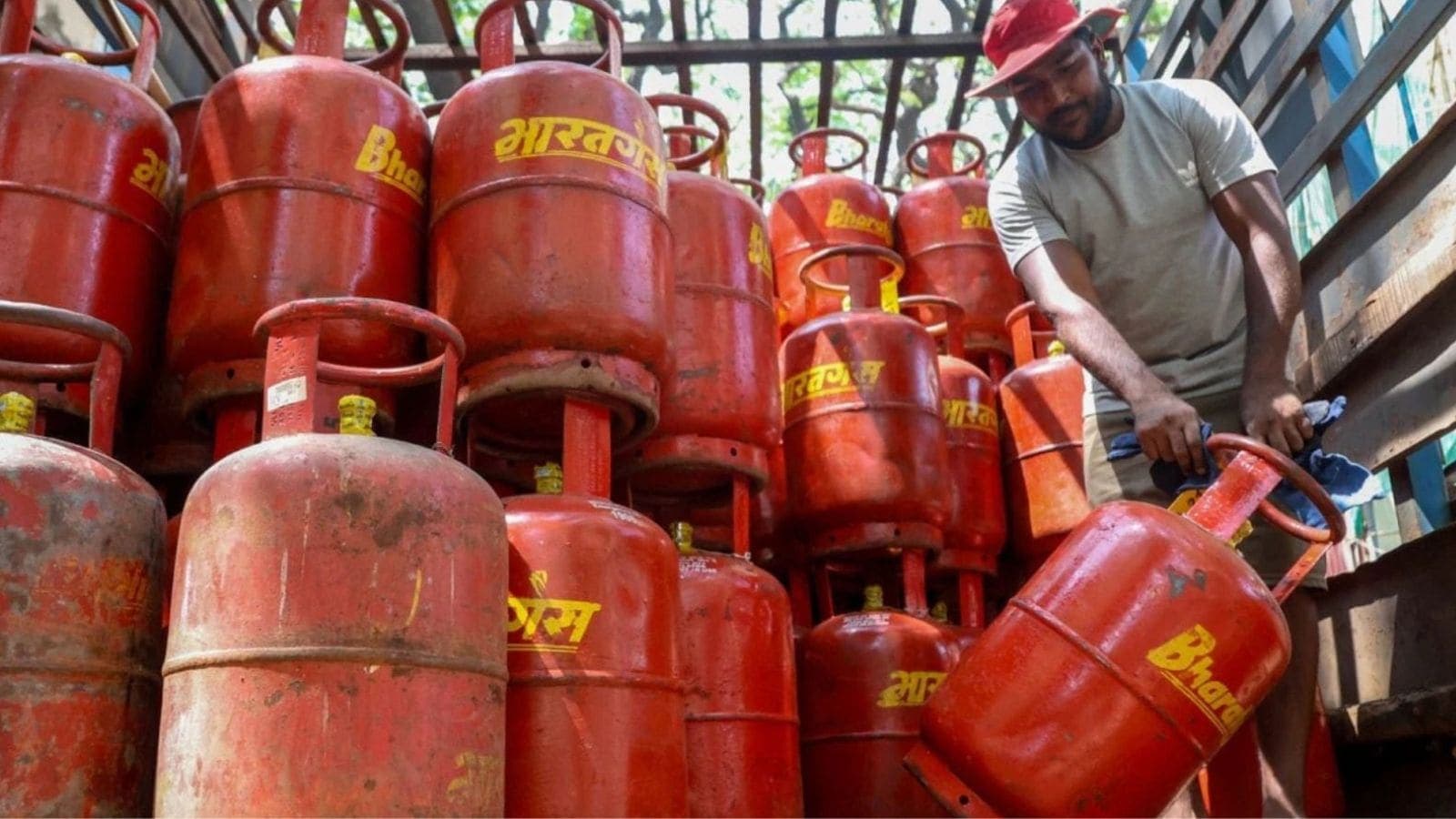
Did you find this article useful? Share it!

Share

Related Articles

Commercial LPG Prices Surge Again: ₹42 in Delhi, ₹53.50 in Kolkata
Business
Jun 1, 2026

Commercial LPG Prices Surge Again: ₹42 in Delhi, ₹53.50 in Kolkata

Commercial LPG prices have risen again, with increases of ₹42 in Delhi and ₹53.50 in Kolkata impacting businesses and consumers alike. Find out more.

Indian Express

Shocking Coal Mine Disaster in China Raises Safety Concerns
Business
Jun 1, 2026

Shocking Coal Mine Disaster in China Raises Safety Concerns

Discover how a tragic coal mine explosion in Shanxi, China, reveals ongoing safety concerns in the industry amidst a push for green energy.

BBC Business

Montek Singh Ahluwalia: Critical Economic Insights Unveiled
Business
Jun 1, 2026

Montek Singh Ahluwalia: Critical Economic Insights Unveiled

Montek Singh Ahluwalia highlights key economic challenges for India, emphasizing the need for a strategic approach to balance payments and investment.

Indian Express

Categories

  • World
  • Technology
  • Business
  • Sports

More

  • Entertainment
  • Science
  • Health
  • Politics

Explore

  • Web Stories
  • About Us
  • Contact

Legal

  • Privacy Policy
  • Terms of Service
  • Disclaimer

© 2026 Glipzo. All rights reserved.