
Image: Indian Express
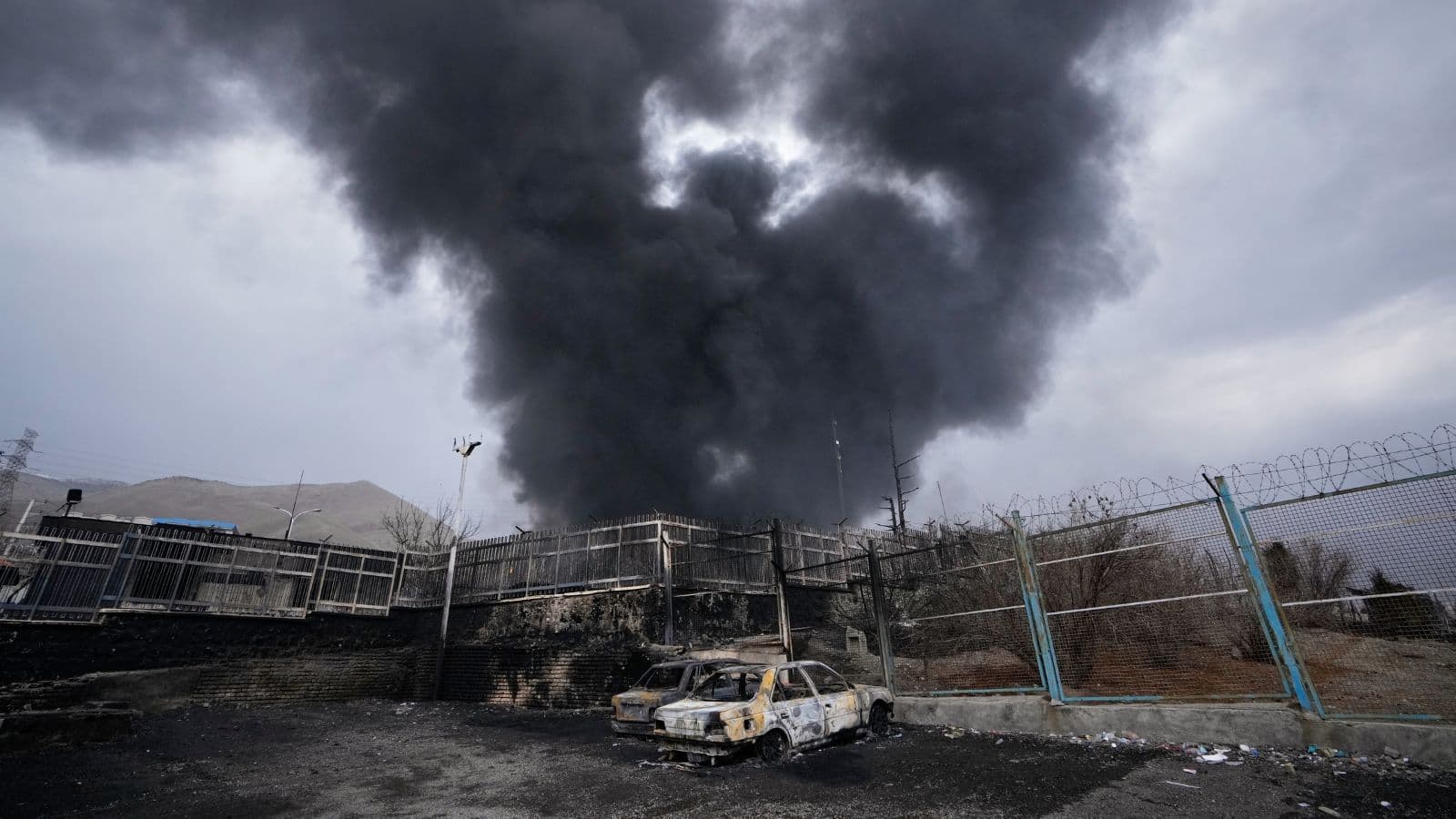
Tehran's recent black rain, a result of Israeli strikes, poses serious health risks and environmental concerns, alarming residents and health officials alike.
GlipzoOn March 8, 2023, residents of Tehran were confronted with an unsettling weather phenomenon: black rain. This unusual precipitation, laden with toxic substances, fell across the city and its surroundings, alarming locals and health officials alike. The source of this environmental crisis can be traced back to Israeli airstrikes that targeted oil facilities in the region, leading to a cascade of negative consequences for public health and safety.
The night prior, Israeli forces conducted strikes on multiple oil storage sites, including the Aghdasieh oil warehouse and the Tehran refinery. These attacks resulted in extensive fires and released a harmful cocktail of pollutants into the atmosphere. As rain fell through the contaminated air, it absorbed toxic compounds and descended as oily droplets, coating everything in a dark, hazardous layer.
In the aftermath of the strikes, the World Health Organization (WHO) issued a warning regarding the dangers posed by the black rain and acidic precipitation. Christian Lindmeier, a spokesperson for WHO, emphasized that the incident could exacerbate respiratory issues among the population. The Iranian Red Crescent echoed these concerns, advising residents to stay indoors to minimize exposure to the harmful substances.
Health experts have raised alarms over the specific dangers associated with inhaling or coming into contact with the toxic rain. Potential symptoms include: - Headaches - Skin and eye irritation - Breathing difficulties
Furthermore, prolonged exposure to some of the hydrocarbons released could heighten the risk of developing cancers, making the situation even more dire for Tehran’s residents. Lindmeier described the rainfall as an impending threat, stating that “the black rain and acidic rain in Tehran is indeed a danger.”
The black rain crisis is not just a short-term emergency but poses long-lasting environmental implications. Doug Weir, director of the Conflict and Environment Observatory, highlighted that the topography of Tehran contributes to its air quality challenges. The surrounding mountains trap pollutants in the city, exacerbating the health hazards posed by the toxic fallout.
Experts are particularly concerned about the long-term effects of 'forever chemicals'—substances that can persist in the environment and bioaccumulate in living organisms. These chemicals, potentially originating from flame retardants in the targeted oil facilities, could infiltrate groundwater and re-enter the atmosphere, contaminating future rainfall.
Additionally, the acidic nature of the rain could accelerate the deterioration of buildings and infrastructure already compromised by Tehran’s chronic air quality issues. The Conflict and Environment Observatory has documented over 232 incidents of environmental risk linked to the ongoing conflict, warning that the ecological fallout extends beyond immediate health concerns.
The impact of the black rain on residents has been profound, with many expressing shock and concern. Local testimonials reveal the personal toll this environmental disaster has taken. A resident described experiencing headaches and a bitter taste in her mouth after the rain fell, while Mina, a 70-year-old local, noted the pervasive smell of smoke even after the rain had stopped.
Another resident, Kianoosh, an engineer, recounted seeing the dark rain in Tajrish, which is located miles away from the oil depots. A university professor from a nearby city shared how his white car turned almost entirely black due to the fallout. Reports from various locals indicate that the pollution and smog have severely impacted their daily lives, creating an atmosphere of fear and uncertainty.
As Tehran grapples with the aftermath of this environmental crisis, health officials and scientists urge the government to take immediate action to protect citizens. Recommendations include: - Implementing emergency health advisories - Increasing air quality monitoring - Providing public education on the risks associated with toxic exposure
Government agencies are tasked with addressing both the immediate health risks and the longer-term environmental consequences. The situation remains fluid, and as investigations continue into the strikes and their aftermath, it is crucial for authorities to prioritize public health and safety.
The occurrence of black rain in Tehran serves as a stark reminder of the interconnectedness of environmental health and geopolitical conflicts. As the situation unfolds, it is essential for residents to stay informed and vigilant about potential health risks. The international community must also pay attention to the environmental consequences of military actions, advocating for policies that safeguard both human health and ecological integrity.
Key Highlights: - Tehran experienced toxic black rain following Israeli strikes. - WHO warns of significant health risks due to polluted precipitation. - Long-term environmental impacts and health risks are under scrutiny. - Local residents report serious effects from the black rain and pollution.
Keywords: black rain, Tehran, Israeli strikes, toxic fallout, environmental health, WHO, air quality, pollution, forever chemicals
Category: World
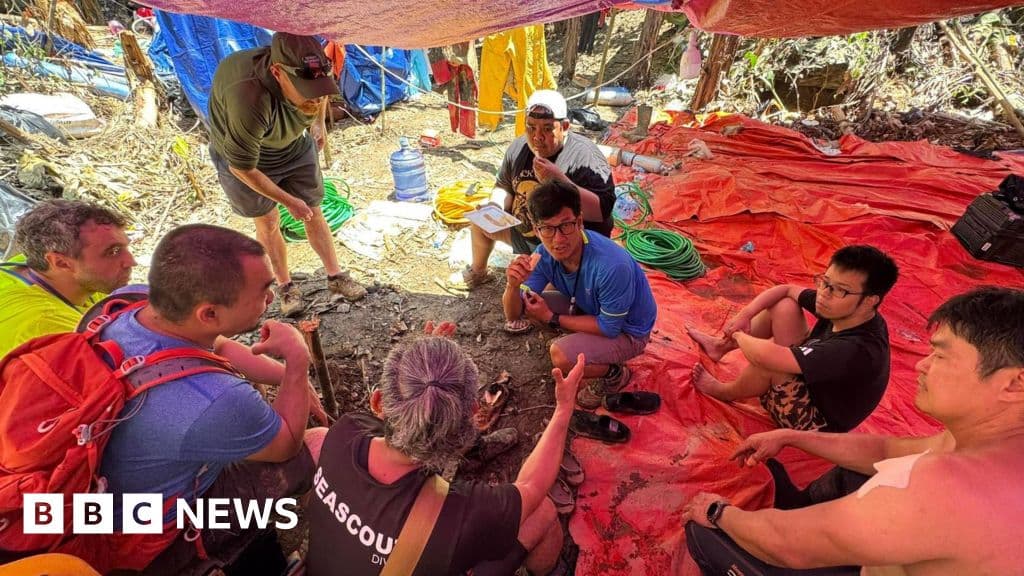
Survivors of the Laos cave rescue are aiding efforts to find the last two missing men trapped inside, sharing crucial insights for the search operation.
BBC World
A year after the tragic Air India crash, the Ali family reflects on grief, unanswered questions, and the enduring bonds of love in the face of loss.
BBC Business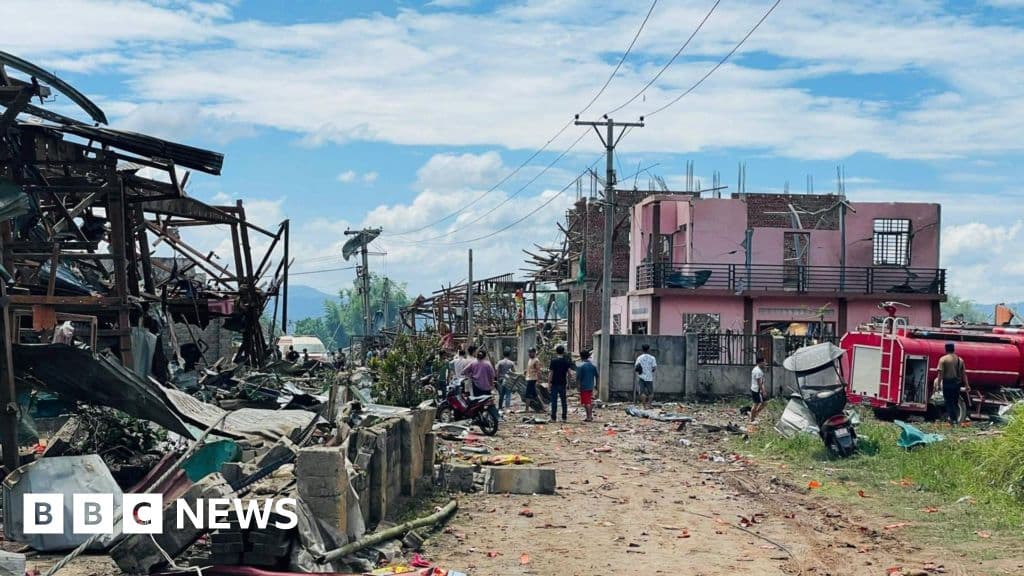
A devastating explosion in Myanmar's Kaung Tat village has killed at least 55 people, raising serious safety concerns and questions about civilian protection in conflict zones.
BBC World