
Image: BBC World
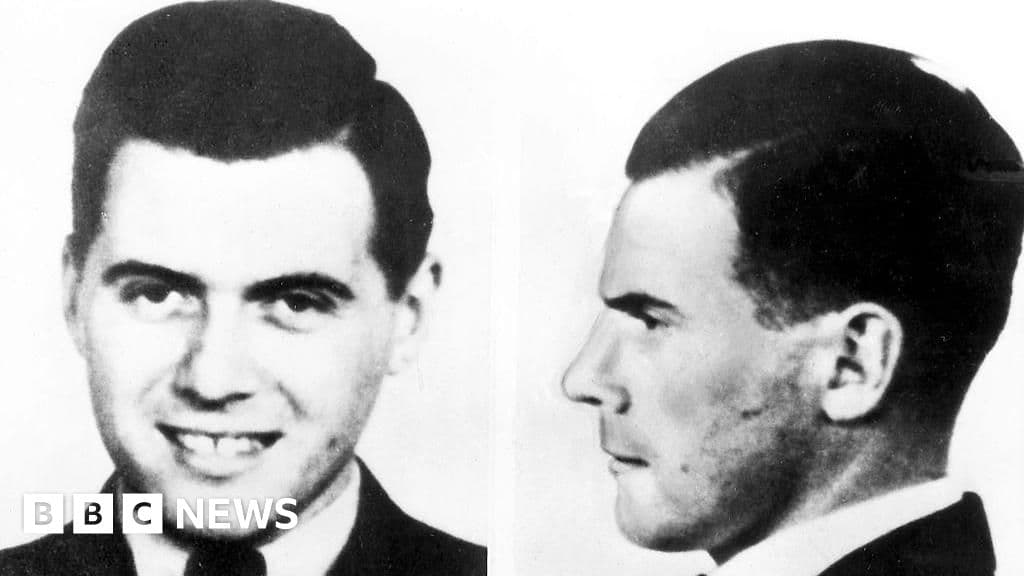
Switzerland to unveil secret files on Nazi war criminal Josef Mengele. Historians seek answers about his rumored connections and escape routes.
GlipzoIn a significant move towards transparency, the Swiss Federal Intelligence Service announced its intention to open previously sealed records concerning infamous Nazi war criminal Josef Mengele, also known as the 'Angel of Death.' The exact timeline for this release remains undisclosed, leaving many to speculate on what the files might contain and their implications for historical understanding.
Josef Mengele, a physician in the Waffen SS, was notorious for his inhumane experiments on prisoners at the Auschwitz extermination camp during World War II. An estimated 1.1 million individuals, primarily Jews, lost their lives due to his brutal selections for the gas chambers and sadistic medical trials, particularly targeting twins and children. After the war, Mengele evaded capture, utilizing a series of false identities and international aid to escape to South America, raising questions about his potential connections to Switzerland.
Following the end of World War II, Mengele fled Europe, yet rumors circulated for decades about his possible presence in Switzerland, even as an international warrant for his arrest remained active. Historians have long sought access to Swiss archives to shed light on this elusive figure, but until recently, Swiss authorities remained reticent to release any pertinent information.
Mengele's life post-war took a winding path through South America, but in a notable incident in 1956, he reportedly vacationed in the Swiss Alps with his son, Rolf. Although this was disclosed in the 1980s, many have speculated about his potential return to Switzerland after the issuance of an arrest warrant in 1959.
Swiss historian Regula Bochsler has been at the forefront of this research, probing into the possibility that Mengele returned to Switzerland after his official escape. She uncovered evidence suggesting that in June 1961, the Austrian intelligence service alerted Swiss authorities to Mengele's presence in the country under an alias.
Intriguingly, while conducting her research, Bochsler found that Mengele's wife had secured an apartment in Zurich, applying for permanent residency. This raised further questions about the couple's intentions, especially since the apartment was modest compared to their wealth and conveniently located near the international airport.
Bochsler had access to police files indicating that the Zurich police monitored the apartment in 1961, noting interactions involving Mrs. Mengele and an unidentified man. This has led to speculation about whether her husband had indeed returned to Switzerland.
Arresting Mengele in 1961, during a time when he was a wanted war criminal, would have necessitated involvement from the Swiss federal police. However, Bochsler’s attempts to access Swiss Federal Archive files were met with refusal, citing national security and family protection concerns, with the files sealed until 2071.
Not only was Bochsler denied access, but fellow historian Gérard Wettstein faced similar obstacles in 2025 when he attempted to obtain the same files. Frustrated with the lack of transparency, Wettstein resorted to legal action against the Swiss authorities, which required crowdfunding efforts that raised 18,000 Swiss francs in mere days.
This public outcry and financial backing prompted the Swiss Federal Intelligence Service to revise its stance. This month, they issued a statement indicating that access to the files would be granted, although still subject to yet-to-be-determined conditions.
Despite this promising development, there is skepticism among historians regarding the potential findings within the files. Sacha Zala, president of the Swiss Society for History, expressed doubts about the likelihood of the documents revealing substantial new information about Mengele. Nonetheless, the decision to open these files is seen as a critical step towards uncovering the truth about the post-war activities of Nazi officials and their networks.
The release of these files could have far-reaching implications for historical research and our understanding of post-war Europe. It not only addresses historical grievances but also sheds light on how countries may have inadvertently facilitated the escape of war criminals. As historians and the public eagerly await the release, the case of Mengele underscores the importance of accountability and transparency in confronting the legacies of the past.
As Switzerland prepares to unveil its findings, the world watches closely. The anticipation surrounding the release of these documents reflects a broader desire to confront historical injustices. Moving forward, researchers will likely delve into the files for insights that could reshape our understanding of Nazi evasion tactics and the complicity of neutral nations in post-war dealings. The true impact of this archive may only be realized as historians, journalists, and the public engage with the information that comes to light.
Ultimately, the journey towards unveiling the past is a crucial part of ensuring that history does not repeat itself. Understanding the complexities of Mengele's life post-war could illuminate broader patterns of accountability and justice, providing lessons that resonate in today's context.
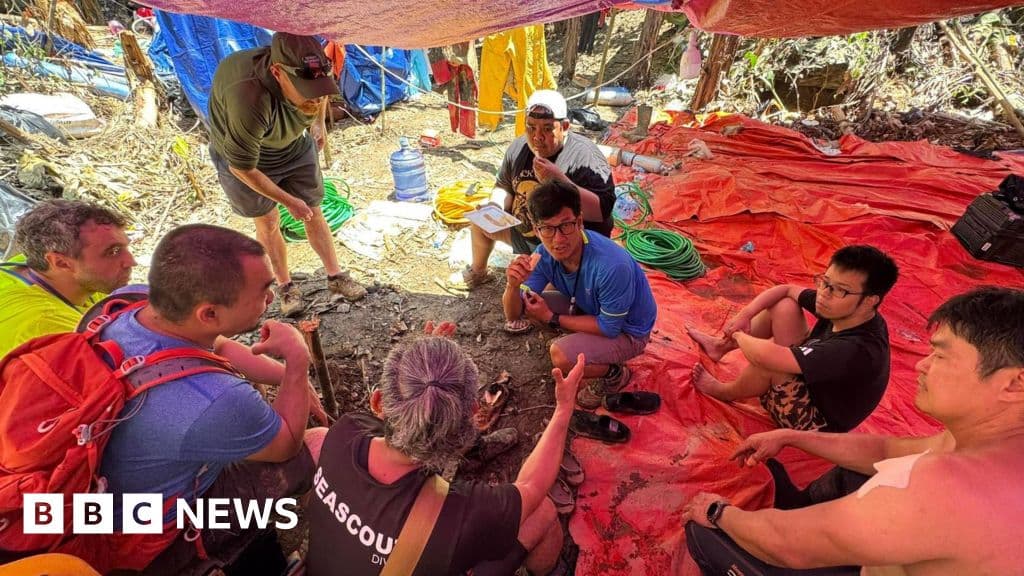
Survivors of the Laos cave rescue are aiding efforts to find the last two missing men trapped inside, sharing crucial insights for the search operation.
BBC World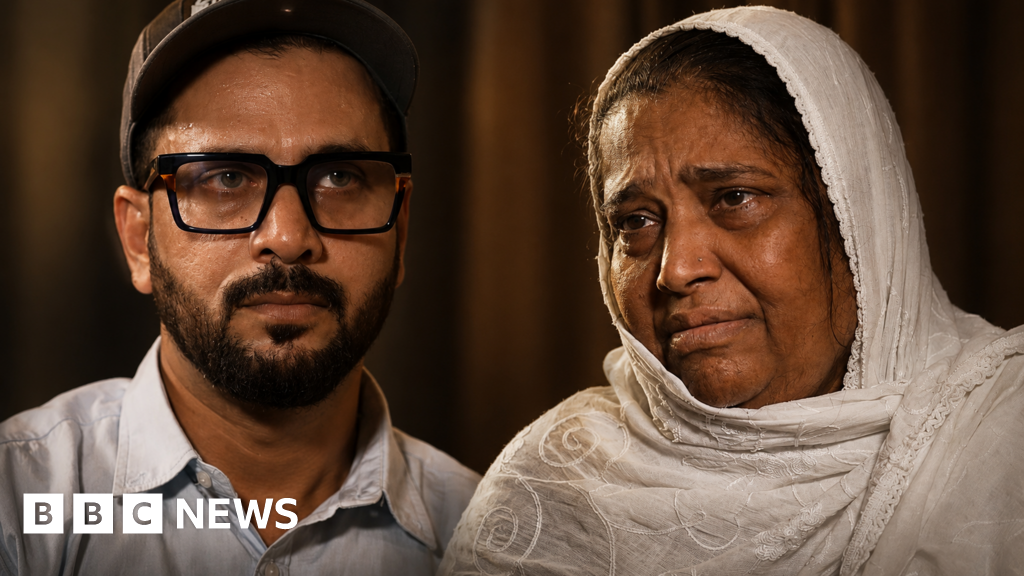
A year after the tragic Air India crash, the Ali family reflects on grief, unanswered questions, and the enduring bonds of love in the face of loss.
BBC Business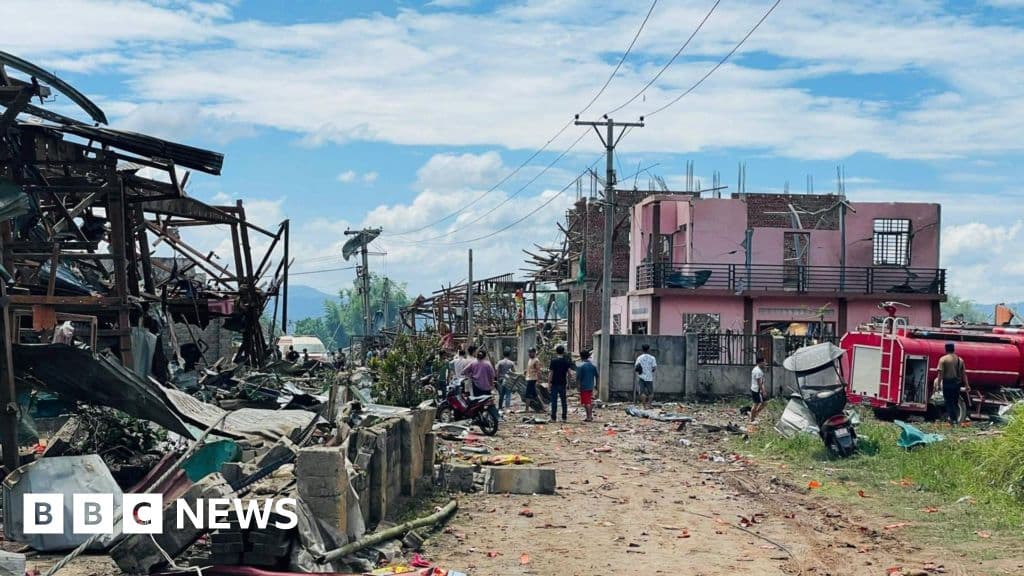
A devastating explosion in Myanmar's Kaung Tat village has killed at least 55 people, raising serious safety concerns and questions about civilian protection in conflict zones.
BBC World