
Image: BBC World
Survivor Sunil Puniya recounts the harrowing missile attack on the oil tanker Skylight in the Strait of Hormuz, revealing the ongoing maritime crisis.
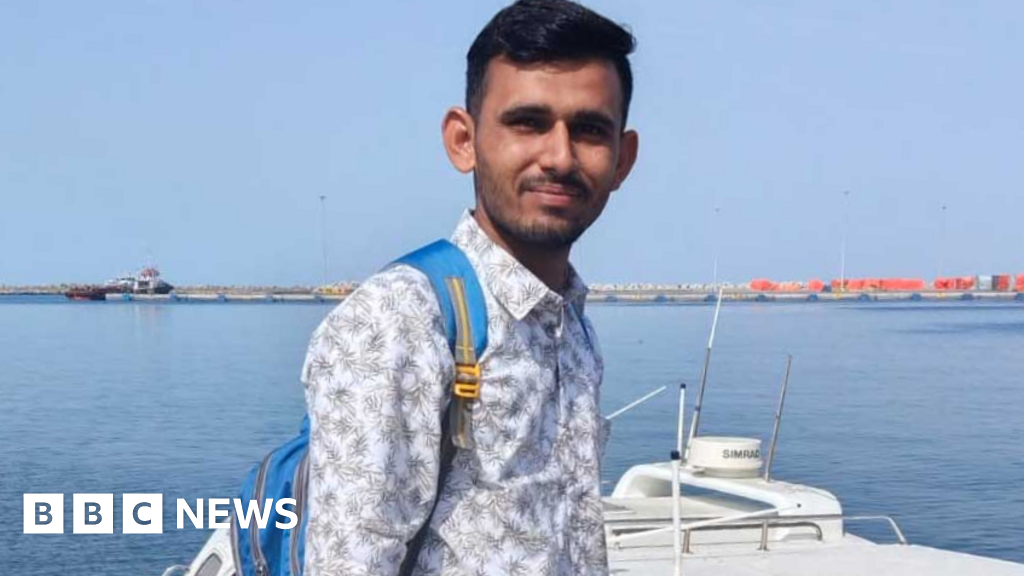
GlipzoIn the early hours of March 1, 2023, a tragedy unfolded in the Strait of Hormuz, as the oil tanker Skylight was struck by a missile. Among the crew was Sunil Puniya, a 26-year-old sailor who had just begun his maritime career. Little did he know that his first job at sea would turn into a life-and-death struggle.
Sunil was sound asleep in his cabin when the attack occurred. He initially thought it was a mechanical failure, but the situation quickly escalated. “I felt the whole ship shake,” he recalled. “But as soon as I stepped outside of my room, there was another explosion.” The missile hit the engine room, igniting a blaze that rapidly consumed the vessel.
As chaos erupted, Sunil described a scene filled with confusion and panic. “There was a complete blackout, and smoke had spread everywhere,” he said. “Everyone was having trouble breathing.” The urgency of the moment compelled him to assist his fellow crewmates, many of whom were in distress. “I told them to stop calling and helped bring them up on to the deck.”
Upon reaching the deck, the situation was dire. “There was oil everywhere,” Sunil recounted, emphasizing the danger as flames drew closer. In a desperate act of survival, he and others jumped into the sea.
Within an hour, the Oman Navy initiated a rescue operation, successfully pulling several survivors from the water. However, the fate of some remained uncertain. Sunil’s closest friend, Dalip Rathore, a 25-year-old sailor who had joined Skylight just a day after him, was missing. “As soon as I realized Dalip wasn’t there, that’s when it hit me,” Sunil shared, his voice filled with anguish. “I started panicking. I kept thinking: how will I answer to his family?”
Dalip had taken over Sunil’s watch in the engine room mere hours before the missile struck, making the tragedy even more poignant. Tragically, both Dalip and the ship’s captain, Ashish Kumar, lost their lives in the attack. While some of the captain's remains were recovered, Dalip’s body has yet to be found, leaving a painful void in Sunil’s heart.
This incident is not an isolated tragedy but part of a larger crisis unfolding in the Strait of Hormuz, a crucial maritime route for approximately 20% of the world's oil and liquified natural gas. Following the outbreak of conflict between the US and Iran, Iranian forces have responded by blocking this vital waterway, leading to significant disruptions in global shipping.
According to maritime intelligence from Kpler, 38 commercial vessels have been attacked in and around the Strait since the onset of hostilities. Of these, 24 ships were targeted by Iranian forces, and four by the US, with the origins of the remaining incidents unverified. The conflict has left more than 20,000 seafarers stranded in the Gulf, as they await safe passage through the strait.
Under maritime law, shipowners are responsible for the welfare and repatriation of their crews. If they fail to fulfill these duties, the responsibility may shift to the vessel's flag state, and ultimately, to port authorities. In light of recent events, many shipowners have taken steps to support their stranded crews, utilizing small boats to deliver food and other essentials.
However, not all crews have been so fortunate. The International Transport Workers' Federation (ITF) reports that it has received over 2,000 distress calls from seafarers on various commercial ships caught in the ongoing conflict. Issues reported include: - Unpaid wages - Contract disputes - Difficulties returning home - Shortages of essential supplies like food and water
Mohamed Arrachedi, the ITF's network coordinator for the Arab world and Iran, shared troubling insights about the dire conditions faced by many crews. He provided voice notes from three seafarers stranded on a small boat near the coast of Oman, where they expressed their desperation and need for assistance.
The attacks in the Strait of Hormuz not only endanger the lives of those at sea but also have far-reaching implications for global trade and energy supplies. The maritime community is calling for urgent action to ensure the safety of seafarers and the free passage of ships in one of the world's most critical shipping lanes.
The situation remains fluid, and as tensions continue to rise in the region, the fate of many remains uncertain. What will happen next is a matter of grave concern not just for those affected, but for the global economy reliant on the stability of maritime trade routes.
As the conflict progresses, it is crucial to monitor developments in the Strait of Hormuz. The international community must advocate for the protection of maritime workers and hold accountable those responsible for these attacks. Solutions must be sought to ensure the safe passage of vessels through this vital corridor. The plight of sailors like Sunil and Dalip serves as a reminder of the human cost of international conflict and the urgent need for peace and safety at sea.
In the coming days, we should watch for updates from maritime organizations and governments regarding the safety measures being implemented in the region, as well as any international responses to the ongoing crisis.
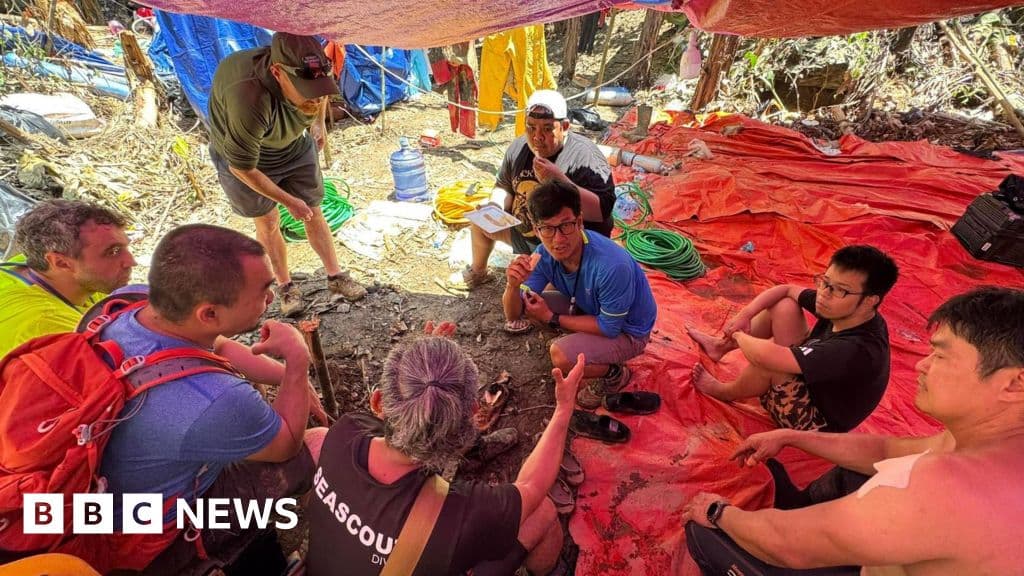
Survivors of the Laos cave rescue are aiding efforts to find the last two missing men trapped inside, sharing crucial insights for the search operation.
BBC World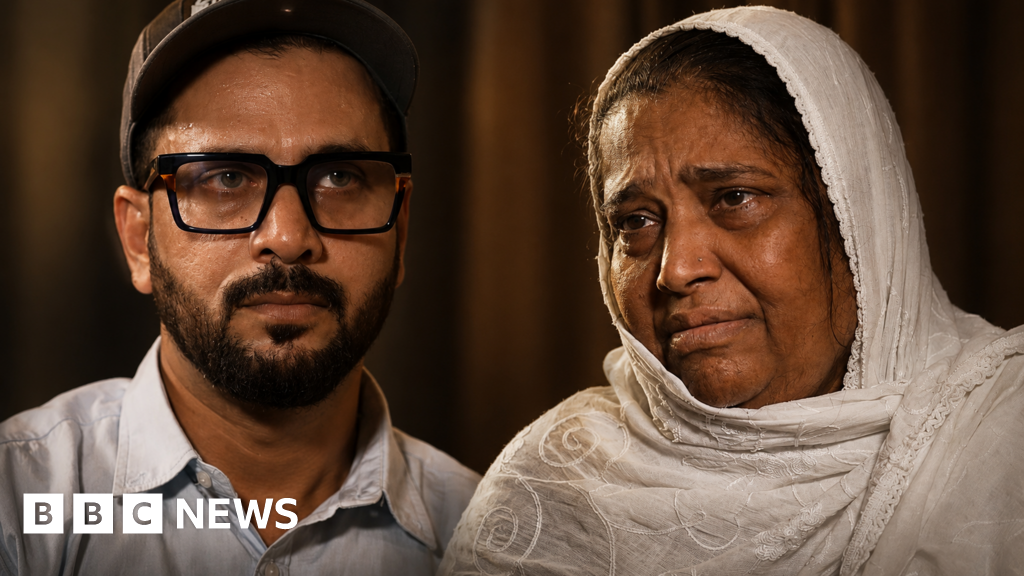
A year after the tragic Air India crash, the Ali family reflects on grief, unanswered questions, and the enduring bonds of love in the face of loss.
BBC Business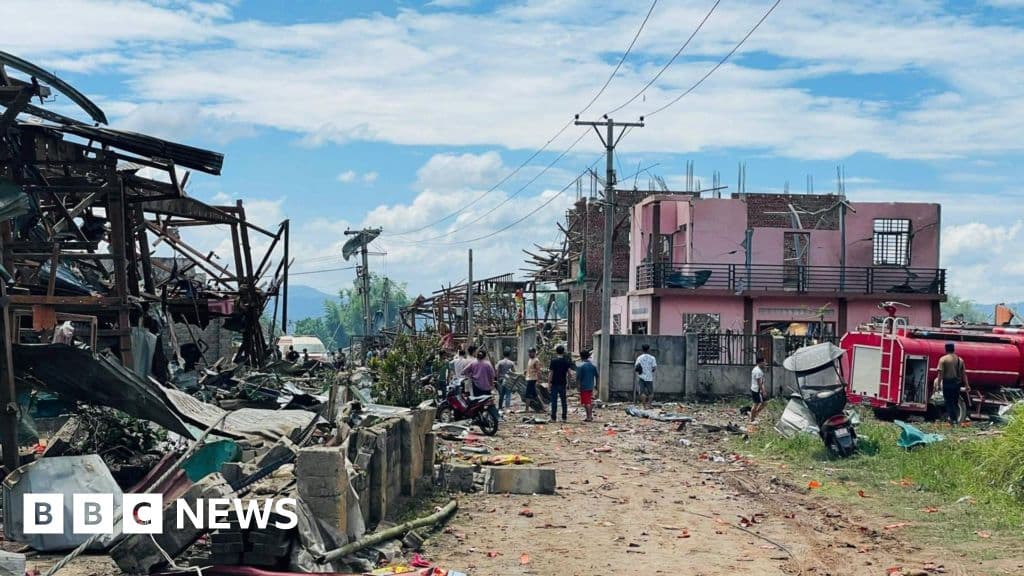
A devastating explosion in Myanmar's Kaung Tat village has killed at least 55 people, raising serious safety concerns and questions about civilian protection in conflict zones.
BBC World