
Image: BBC Science
Discover how rising energy costs are driving a surge in solar panel installations across the UK, reshaping business strategies and priorities.
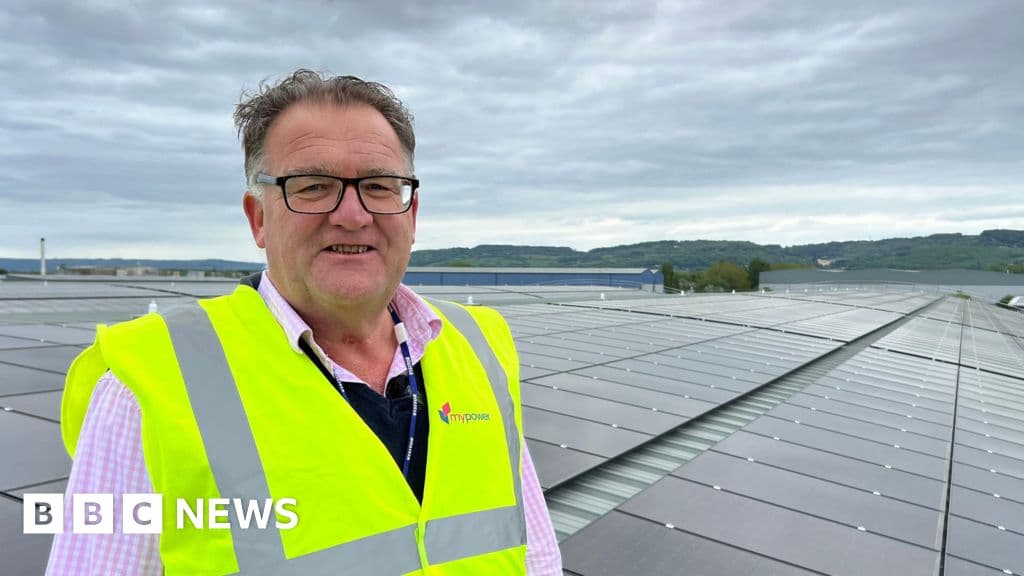
GlipzoAs energy costs continue to soar, a dramatic rise in solar panel installations is sweeping across the UK. Businesses are increasingly prioritizing their bottom lines over sustainability, as evidenced by Ben Harrison, the founder of a solar power company in Gloucestershire. He notes, "[Solar panels are] all about saving money now, not just sustainability." The urgency to save on energy bills has never been more pronounced, particularly in the wake of geopolitical tensions that are affecting energy prices globally.
In recent months, the overall amount of solar power capacity installed across the UK has surged by 11% compared to last year, according to government statistics. For many companies, the financial calculations are straightforward. In Somerset, the producers of the famous 'Henry' vacuum cleaner have recently invested £1.5 million in solar panels for their manufacturing facility. The financial director confidently states that the investment will pay off in less than four years.
Aerial views of industrial estates show a growing number of factories adorned with solar panels. At the Numatic plant in Chard, however, the installation is on a grand scale. The site, which employs 1,200 workers, is now home to a massive solar field featuring 2,672 panels. Steve Whitlock, the financial director, highlights the importance of this initiative in a time of escalating energy costs. He explains, "Electricity is hugely expensive," and the new solar field represents a transformative step towards energy independence.
With the new solar system, the plant aims to generate enough power to meet its operational needs during sunny days, projecting that it will cover about 25% of their annual energy requirements. Whitlock also emphasizes plans for further investments in advanced inverters and battery systems that could potentially double their solar-generated energy contribution.
The push towards solar energy is not merely a trend but a necessary adaptation to fluctuating energy prices exacerbated by global conflicts. The invasion of Ukraine had already sent energy costs spiraling, and now the ongoing conflict in Iran is causing further hikes. Companies are increasingly viewing solar power not just as a green initiative but as a strategic investment to safeguard against volatile electricity prices.
In March 2026 alone, the UK saw 27,000 new solar installations, marking the highest growth since 2012. This surge brought the total number of solar systems to over two million across the nation. While government statistics do not distinguish between commercial and residential solar installations, commercial entities, which typically consume more power during daylight hours, stand to benefit significantly from solar investments compared to residential customers, who primarily use energy in the early morning and evening.
Chris Hewett, CEO of Solar Energy UK, reports that the southwest region is leading the country in solar panel installations by businesses. He asserts that solar power offers the quickest and most effective means for companies to reduce their energy expenses.
Ben Harrison, who founded his solar installation firm, Mypower, 15 years ago, notes a profound shift in customer priorities. Initially focused on sustainability, businesses are now more concerned about managing their long-term electricity costs due to rising energy prices. His company has recently achieved a remarkable 65% increase in installations, averaging 1,783 panels per month over the last quarter.
The shift towards solar energy represents a crucial evolution in the business landscape, driven by the pressing need for cost control amidst rising energy expenses. The trend is not merely a temporary response to current events but reflects a long-term strategy for enhancing energy resilience. As more companies recognize the financial implications of energy independence, the demand for solar installations is likely to continue its upward trajectory.
In conclusion, as energy prices remain unpredictable, we can expect to see more businesses investing in solar technology. The question remains: how will these investments shape the future of energy consumption in the UK? The increasing reliance on solar power could redefine energy strategies across various sectors, promoting not only financial savings but also a sustainable approach to energy management moving forward.
As companies continue to explore renewable energy sources, the landscape of energy consumption will likely evolve, with solar power at the forefront of this transformation. Keep an eye on how these changes unfold, as they could set the stage for a new era in energy efficiency and cost savings for businesses across the country.
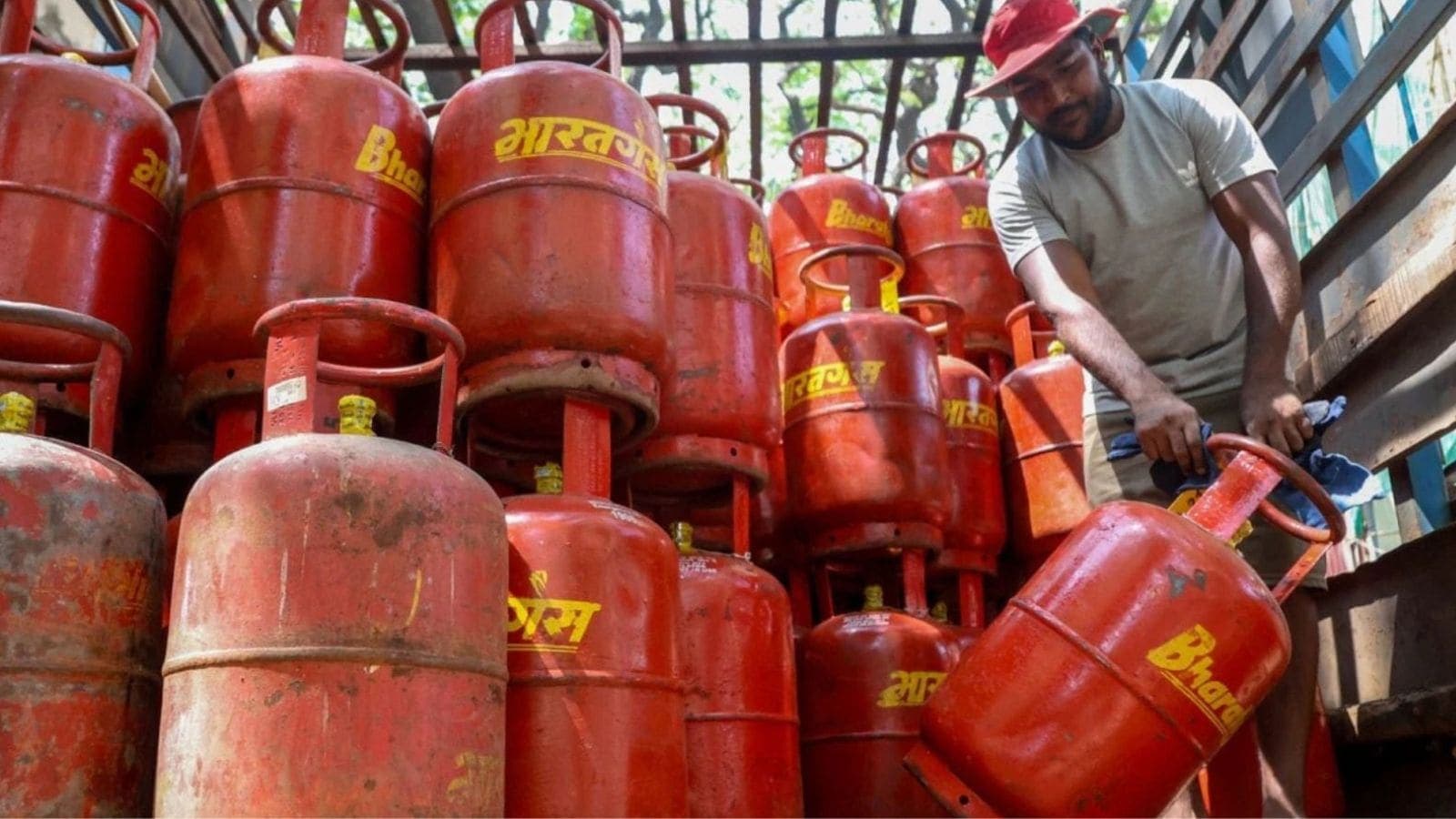
Commercial LPG prices have risen again, with increases of ₹42 in Delhi and ₹53.50 in Kolkata impacting businesses and consumers alike. Find out more.
Indian Express
Discover how a tragic coal mine explosion in Shanxi, China, reveals ongoing safety concerns in the industry amidst a push for green energy.
BBC Business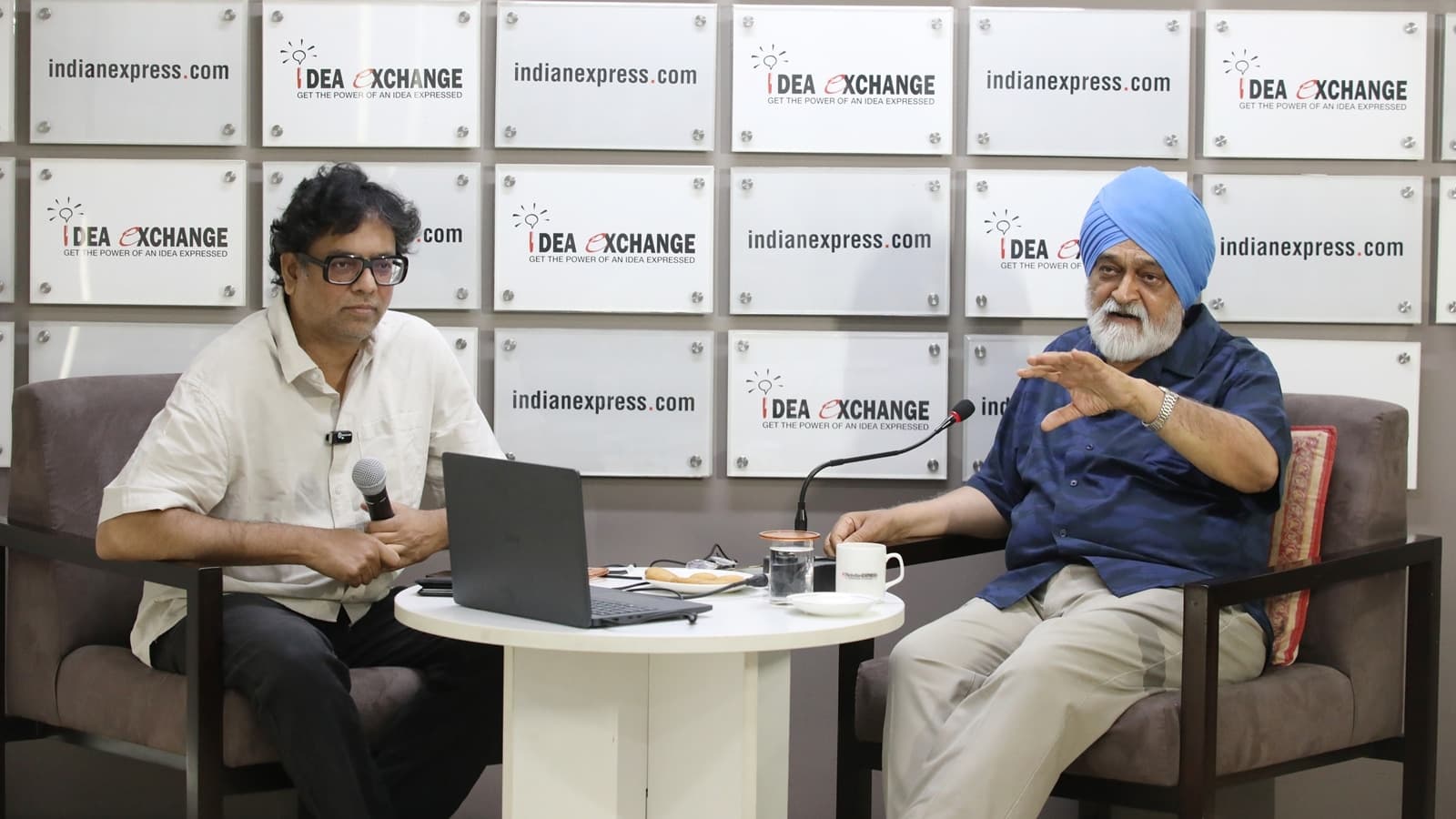
Montek Singh Ahluwalia highlights key economic challenges for India, emphasizing the need for a strategic approach to balance payments and investment.
Indian Express