

Image: The Hindu
Amid a severe LPG crisis in Kerala, the demand for rocket stoves is skyrocketing as caterers seek alternatives. Discover how this trend is reshaping cooking methods.
GlipzoAs LPG cylinder shortages grip Kerala due to ongoing geopolitical tensions in West Asia, caterers and restaurant owners in the state are swiftly adapting by turning to an alternative cooking method: rocket stoves. This surge in interest is reshaping the cooking landscape in Kerala as many face dwindling supplies and skyrocketing demand for this efficient cooking technology.
The situation has escalated to the point where some suppliers are overwhelmed, halting new orders in response to the overwhelming requests. Mohammed Razi P.Z., a restaurant owner located in Vennala, expressed his urgency: "I have placed an order for two rocket stoves. With the crisis deepening, this stove is the only alternative." His sentiments reflect a growing trend among restaurateurs who find themselves grappling with the implications of the LPG crisis.
Rocket stoves have gained traction for their efficiency, requiring significantly less firewood compared to traditional wood stoves. This makes them not only cost-effective but also a more sustainable choice amid rising energy costs. Mohammed Sharooq, an all-India distributor for a stove manufacturing company based in Chennai, noted the unprecedented demand for these stoves. "We receive over 1,000 calls daily. Unfortunately, we are unable to accept any new orders as we prioritize fulfilling existing ones," he stated.
The surge in orders is staggering; in just four days, the company logged more than 2,000 orders, with 450 of those coming from Kerala alone. The price range for these stoves varies significantly based on model and manufacturer. Commercial models can cost anywhere from ₹17,500 to ₹3.5 lakh, while domestic versions range from ₹8,000 to ₹17,500.
With many companies struggling to manage production levels, some restaurant owners have taken matters into their own hands. Benny Nanatt, who operates an eatery in Palarivattom, shared his experience: "When we went to place an order, we were told there was a waiting period of over 40 days. So we made three such stoves and are using them." This proactive approach exemplifies how local entrepreneurs are adapting to the crisis and ensuring their businesses can continue to operate smoothly.
In Piravom, Aiju Thomas, who manages a stove manufacturing firm, disclosed that his company has seen a dramatic uptick in demand. "If we previously sold about 40 stoves a month, we are now selling 40 a day. Hoteliers are buying more stoves since the crisis began," he revealed. The firm offers two main variants priced at approximately ₹9,500 for the extra-large model and ₹5,200 for the large one, and they have not yet run out of stock.
The shift towards rocket stoves is not only a response to immediate supply challenges but also highlights a broader conversation around energy sustainability and efficiency in cooking practices. As the LPG crisis unfolds, it raises critical questions regarding the stability of energy supplies in regions reliant on imported fuels. The demand for rocket stoves could signal a permanent shift in cooking preferences within Kerala, as consumers become more conscious of energy consumption and environmental impact.
This trend may also inspire local governments to explore alternative energy solutions and incentivize the use of more sustainable cooking technologies. As many households and businesses embrace these changes, the long-term effects on energy consumption and environmental practices could be profound.
As the situation develops, it will be crucial to monitor how the LPG crisis evolves and whether the demand for rocket stoves remains high. Key questions loom: Will manufacturers be able to ramp up production to meet ongoing demand? How will the local economy adapt to this shift in cooking practices?
In conclusion, the rise in rocket stove demand during the LPG crisis presents a unique opportunity for innovation and sustainability in Kerala's cooking practices. As we watch this story unfold, it will be fascinating to see how businesses and consumers adapt to ensure they can navigate the challenges ahead.
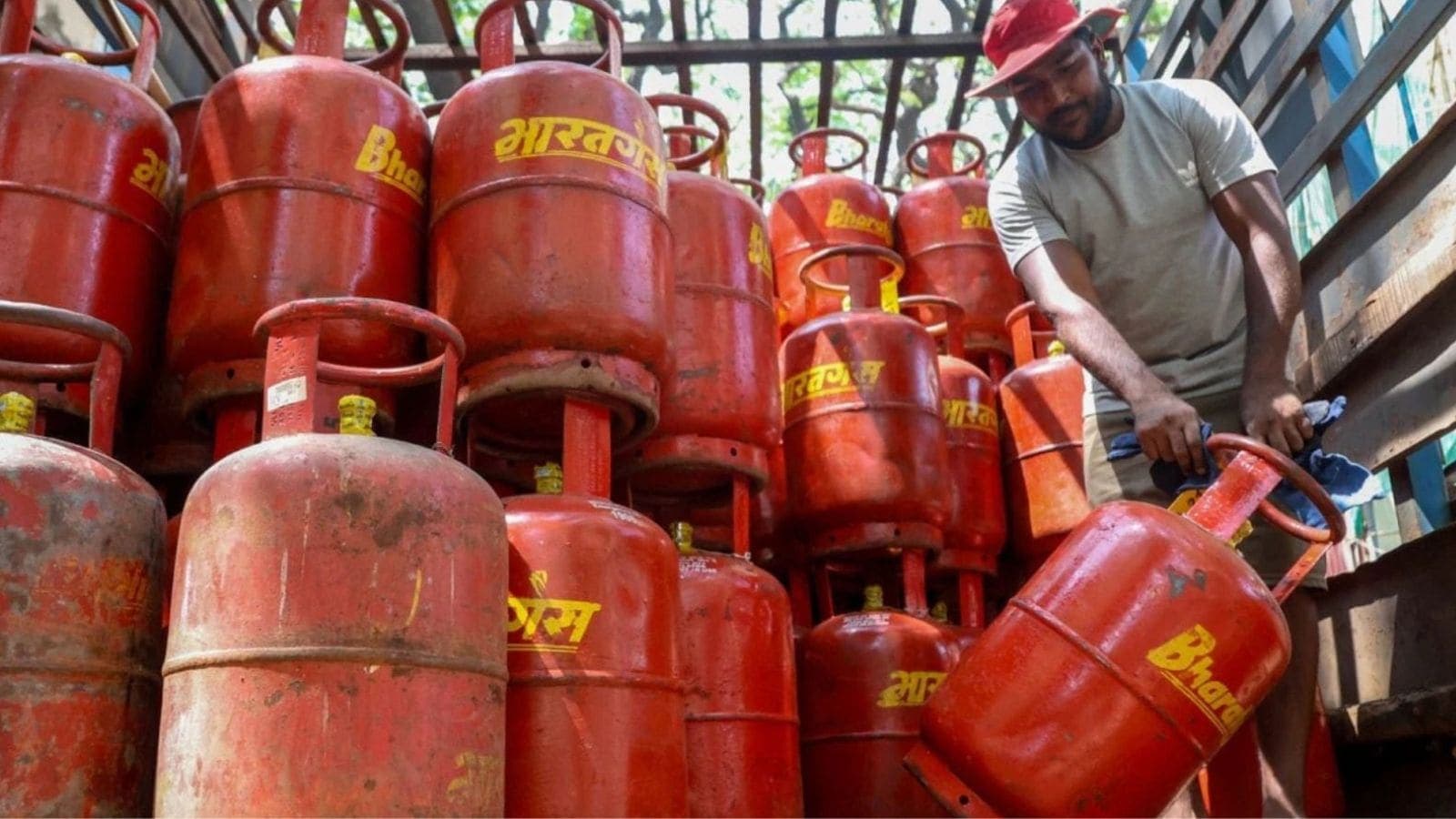
Commercial LPG prices have risen again, with increases of ₹42 in Delhi and ₹53.50 in Kolkata impacting businesses and consumers alike. Find out more.
Indian Express
Discover how a tragic coal mine explosion in Shanxi, China, reveals ongoing safety concerns in the industry amidst a push for green energy.
BBC Business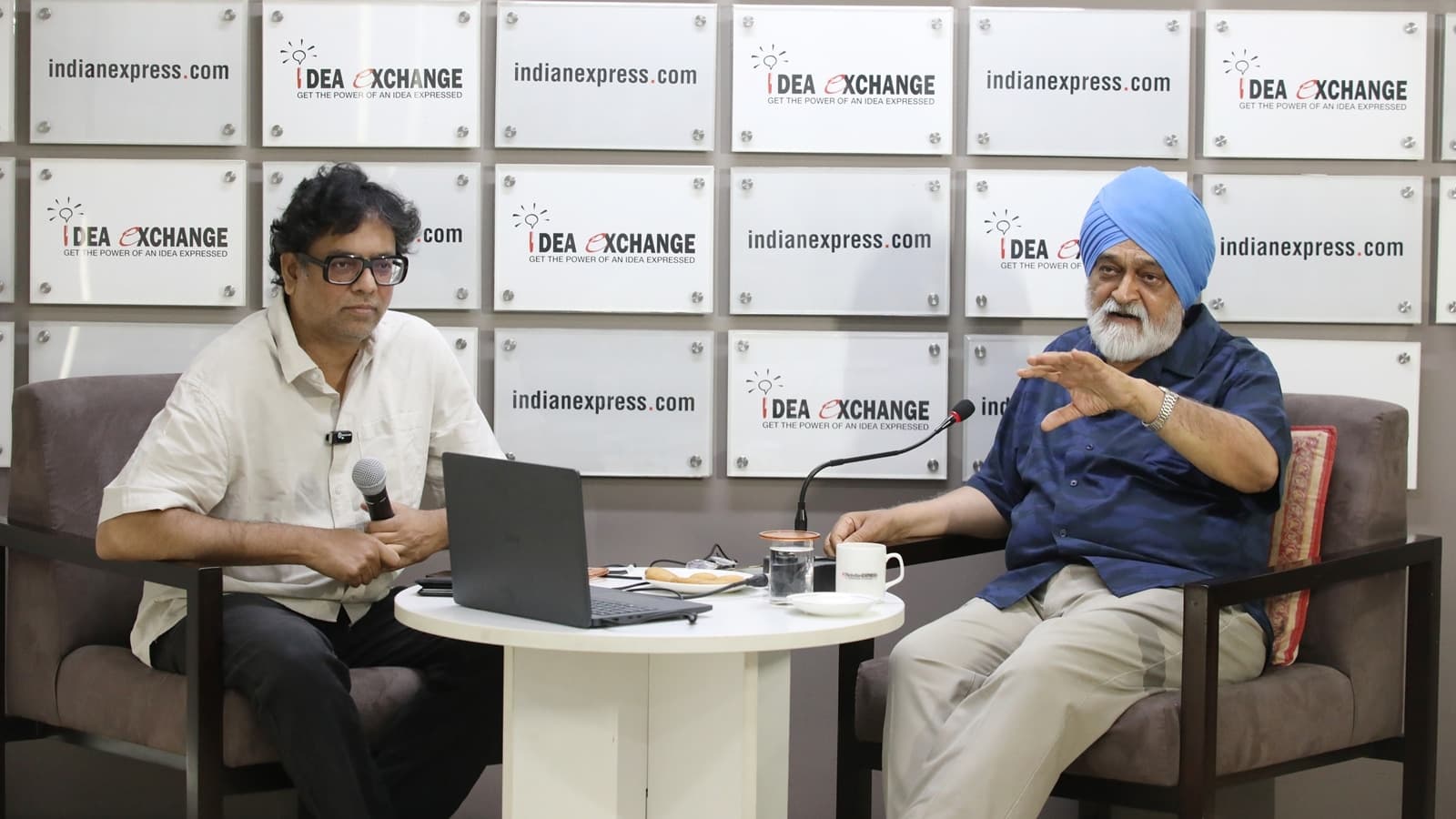
Montek Singh Ahluwalia highlights key economic challenges for India, emphasizing the need for a strategic approach to balance payments and investment.
Indian Express