
Image: Mint (Business)
Supreme Court's ruling ends maternity leave limitation for adoptive mothers, affirming equal rights for all. Explore the implications of this landmark decision.
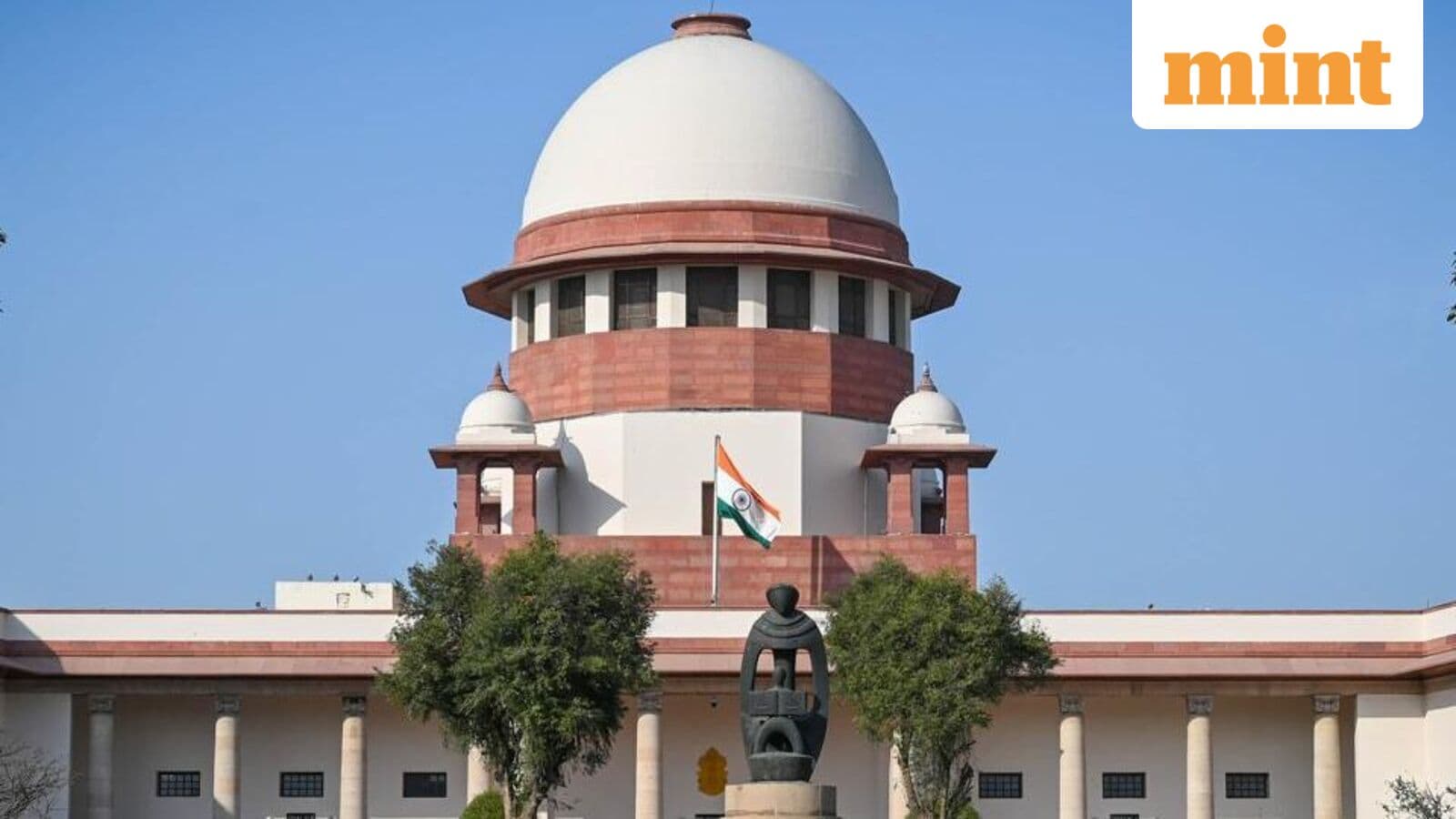
GlipzoIn a groundbreaking decision, the Supreme Court of India has invalidated a law that restricted maternity leave to mothers adopting children younger than three months. This ruling, declared unconstitutional, emphasizes the importance of the Right to Equality under the Indian Constitution. The court's ruling marks a significant step toward recognizing the rights of adoptive mothers and ensuring equitable treatment in maternity benefits.
The bench, comprising Justices JB Pardiwala and R Mahadevan, underscored that the essence of maternity benefits is inherently connected to motherhood itself, rather than the biological process of childbirth. The court determined that all adoptive mothers, regardless of the age of their adopted child, should receive 12 weeks of maternity leave, commencing from the day the child is entrusted to them.
The justices pointed out that the purpose of maternity leave is linked to the nurturing role of a mother, which applies equally to both biological and adoptive mothers. In their ruling, they stated: > “A woman who legally adopts a child, or a commissioning mother, shall be entitled to maternity benefit for a period of 12 weeks from the date the child is handed over to the adopting mother or the commissioning mother.” This inclusive approach highlights that adoptive mothers of older children are just as deserving of maternity leave as those adopting infants. By asserting that denying benefits based on a child's age is an arbitrary distinction, the court aims to eliminate unnecessary barriers that hinder maternal bonding and caregiving.
The court further explained that adoption entails significant emotional and psychological adjustments, which are not contingent on the age of the child being adopted. This recognition is crucial for adoptive families, as it validates their experiences and challenges, irrespective of the child's age.
In its judgement, the Supreme Court identified Section 60(4) of the Maternity Benefit Act, 1961, which had been amended in 2017, as discriminatory. The provision had previously limited maternity leave for adoptive mothers to only those adopting children below three months of age. The court found this limitation to be a violation of Articles 14 (Right to Equality) and 21 (Right to Life and Personal Liberty) of the Constitution.
The justices elaborated: > “The object of maternity benefit is not associated with the process of childbirth but with the process of motherhood.” Such clear articulation of rights sets a precedence, potentially influencing future legislation around maternity and parental leave.
In addition to the ruling on maternity leave, the Supreme Court has also called on the Central Government to establish provisions for paternity leave as a recognized social security benefit. This directive illustrates the court's commitment to advancing parental rights and acknowledging the importance of both parents in child-rearing.
The ruling originates from a petition filed in 2021, which challenged the discriminatory clause in the Maternity Benefit Act. The petition highlighted how the existing law failed to recognize the diverse family structures that exist today and the evolving nature of parenthood.
The Supreme Court's decision resonates deeply within contemporary discussions about parental rights and gender equality in India. By affirming the rights of adoptive mothers, the court is not only advancing legal equality but also nurturing a societal shift towards acceptance of various family dynamics. This ruling can potentially encourage more inclusive policies regarding parental leave and child welfare across the nation.
As discussions continue regarding the implementation of these rulings, stakeholders will be watching closely how the Central Government responds to the directive for paternity leave and any subsequent amendments to family law. The evolving landscape of parental rights in India is on the brink of transformation, setting the stage for further advancements in social justice and equality.
The Supreme Court's landmark ruling is a decisive step forward for adoptive mothers and paternity rights in India. It not only rectifies an outdated law but also paves the way for future legislative reforms aimed at ensuring equality for all parents. As this story unfolds, the focus will remain on how the government adapts to these changes and the impact on families across the nation.

Tensions soar as the US and Iran engage in air strikes near the Strait of Hormuz, raising concerns over global oil supply and regional stability.
BBC World
Trump's international interventions face serious stalemates. What will this mean for U.S. foreign policy? Explore the critical challenges ahead.
Indian Express
Tehran denies resignation of President Masoud Pezeshkian amid claims of IRGC influence. What does this mean for Iran's political stability? Click to learn more!
Indian Express