
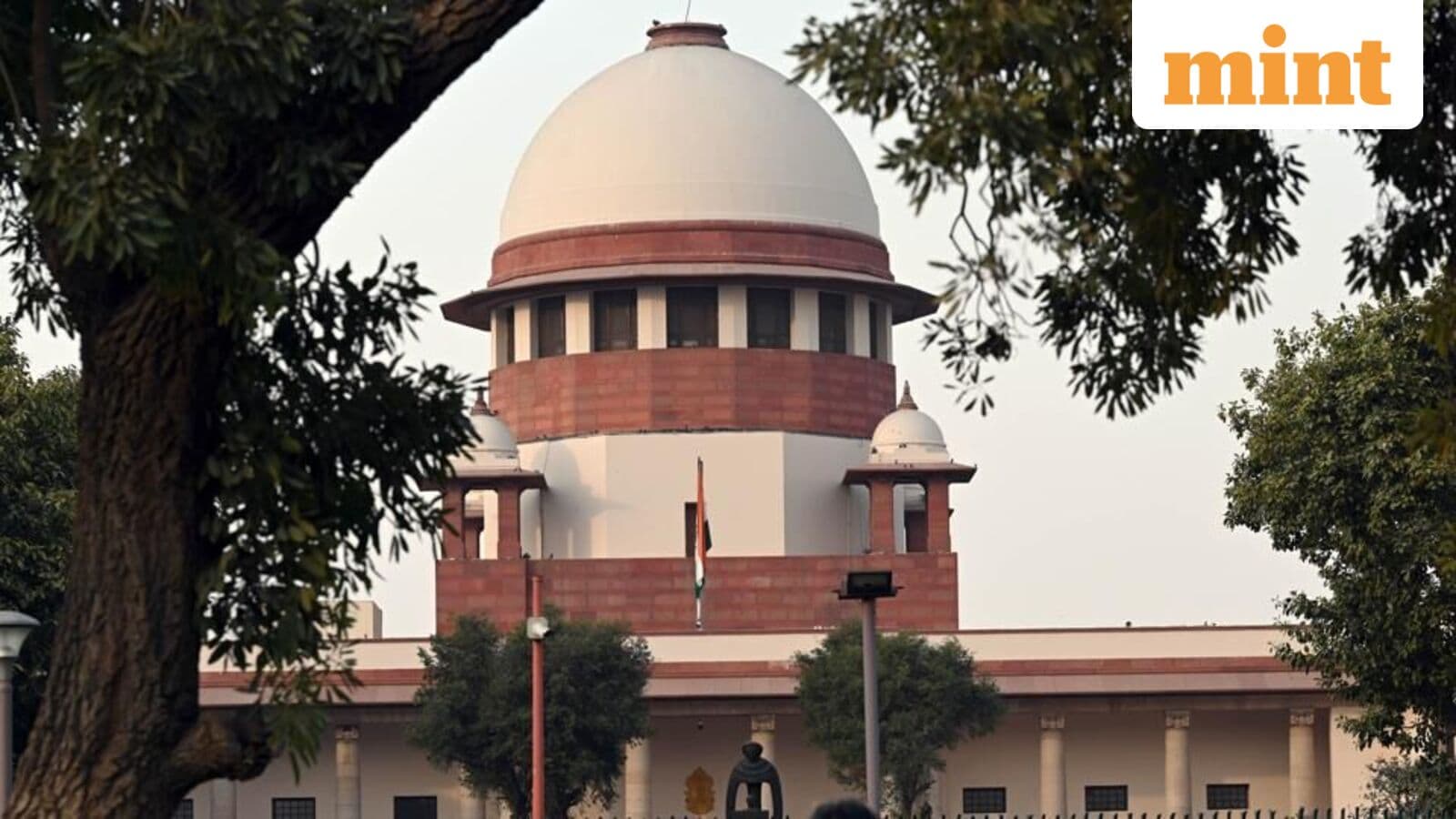
Image: Mint (Business)
On March 11, 2023, the Supreme Court of India issued a significant directive concerning the controversial chapter on corruption in the judiciary found in the Class 8 Social Science textbook. The court has ordered both the Central government and state authorities to sever ties with Professor Michel Danino and two other associates, who were instrumental in drafting this contentious chapter. This decision marks a pivotal moment in the ongoing debate over educational content and the portrayal of the judiciary in India.
The directive was handed down by a bench led by Chief Justice of India (CJI) Surya Kant, who expressed concerns about the qualifications of the individuals involved in the chapter's creation. The court remarked, “We have no reason to doubt that Professor Michel Danino along with Ms. Diwakar and Mr. Alok Prasanna Kumar either lacks reasonable knowledge about the Indian judiciary or they deliberately misrepresented the facts.” This statement underscores the court's commitment to ensuring that educational materials presented to young learners are accurate and balanced.
In a decisive move, the Supreme Court has completely dissociated the mentioned individuals from any future involvement in the preparation or finalization of NCERT textbooks, especially if such involvement would result in public funding. This sweeping order reflects the court's intent to uphold the integrity of educational content, particularly when it pertains to sensitive subjects such as the judiciary, which is pivotal to the functioning of democracy.
The court further mandated that the Central government should form a new panel of experts tasked with reviewing and finalizing the curriculum related to legal topics within NCERT textbooks. This decision aims to ensure a more credible and informed approach to how the judiciary is depicted in educational materials. The bench highlighted that the revised version of Chapter 4 cannot be included in school curricula without the endorsement of this newly formed expert committee.
While the Supreme Court emphasized the need for accurate representation, it also recognized the importance of constructive criticism regarding the judiciary's performance. The bench reiterated, “Our interim directions are not intended to prevent any healthy, objective, and legitimate criticism of the functioning of the judiciary.” This statement indicates a balanced approach, acknowledging that while inaccuracies must be corrected, there is also value in discussing the judiciary's shortcomings.
The court's earlier ruling on February 26, 2023, had already imposed a ban on the publication, reprinting, or digital distribution of the Class 8 social science book containing the disputed content. The court likened the publication of such material to a gunshot, claiming that it left the judiciary “bleeding.” This metaphor reflects the gravity with which the Supreme Court views the portrayal of its institution in educational texts.
During the proceedings, the Supreme Court expressed disappointment over the lack of eminent jurists in the newly proposed committee. The bench stated, “We find it slightly disappointing that not a single eminent jurist is included in the committee.” This comment underscores the importance of having qualified and reputable individuals involved in shaping the narrative around the judiciary, particularly in educational contexts.
The court's insistence on the involvement of domain experts highlights a broader concern about the quality and credibility of educational resources in India. By advocating for expert oversight, the Supreme Court aims to foster a more informed discussion about the judiciary and its role in society among young students.
This ruling by the Supreme Court not only addresses the immediate concerns surrounding the NCERT textbook but also sets a precedent for the future of educational content in India. The emphasis on accurate representation and expert involvement is likely to influence how sensitive topics are approached in textbooks moving forward. Moreover, this case reflects the judiciary's proactive stance in safeguarding its image while promoting transparency and accountability within the educational system.
The Supreme Court's intervention signifies a recognition of the power of education in shaping public perception and understanding of the judiciary. As the court continues to navigate the fine line between criticism and misrepresentation, the outcomes of this case will likely resonate throughout the educational landscape in India.
In conclusion, the Supreme Court's directive to dissociate the individuals involved in the controversial ‘Corruption in the Judiciary’ chapter from future educational endeavors represents a crucial step toward ensuring the integrity of educational content. This case highlights the necessity for accuracy, expertise, and responsible representation in materials aimed at impressionable young minds.

Survivors of the Laos cave rescue are aiding efforts to find the last two missing men trapped inside, sharing crucial insights for the search operation.
BBC World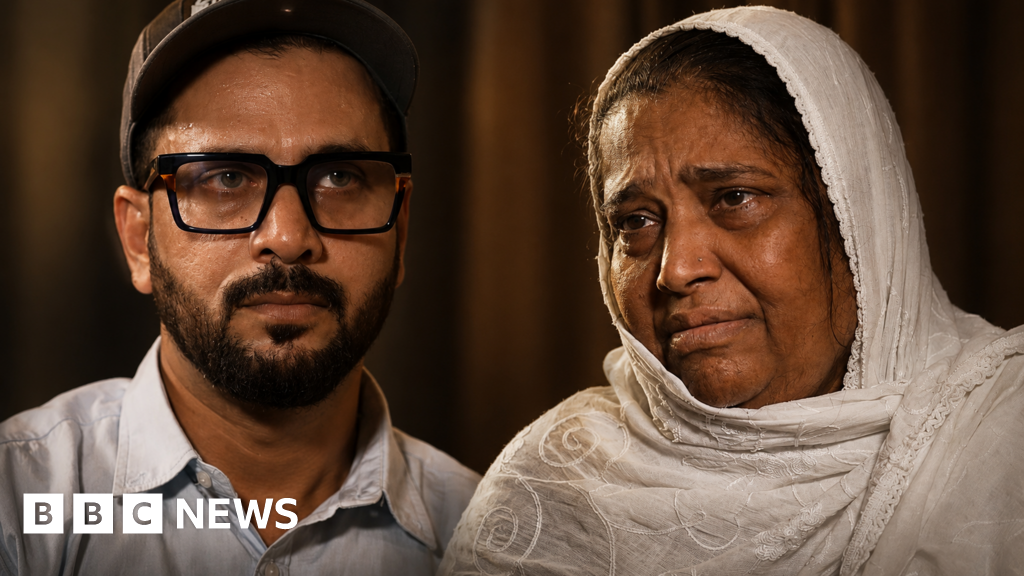
A year after the tragic Air India crash, the Ali family reflects on grief, unanswered questions, and the enduring bonds of love in the face of loss.
BBC Business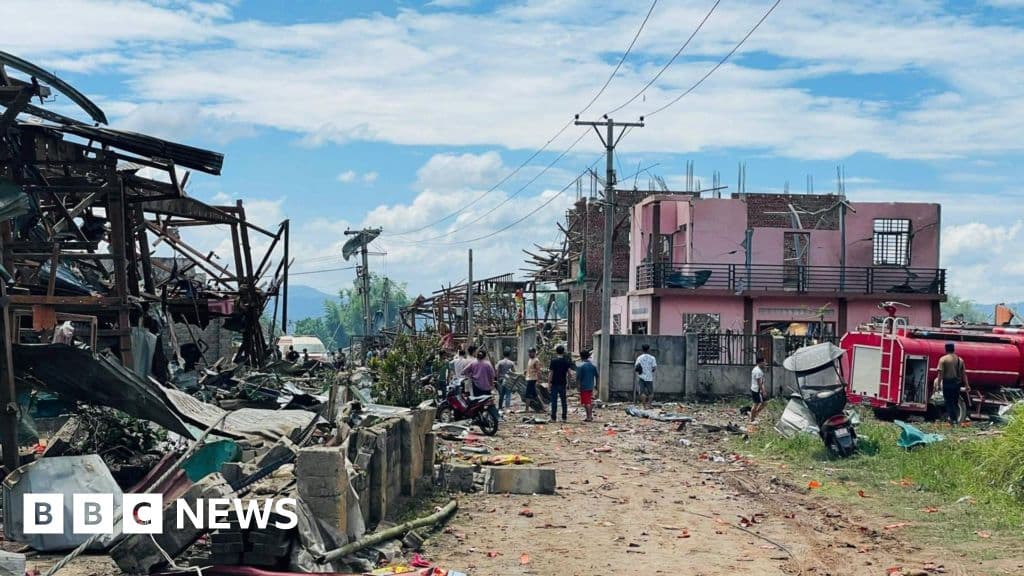
A devastating explosion in Myanmar's Kaung Tat village has killed at least 55 people, raising serious safety concerns and questions about civilian protection in conflict zones.
BBC World