
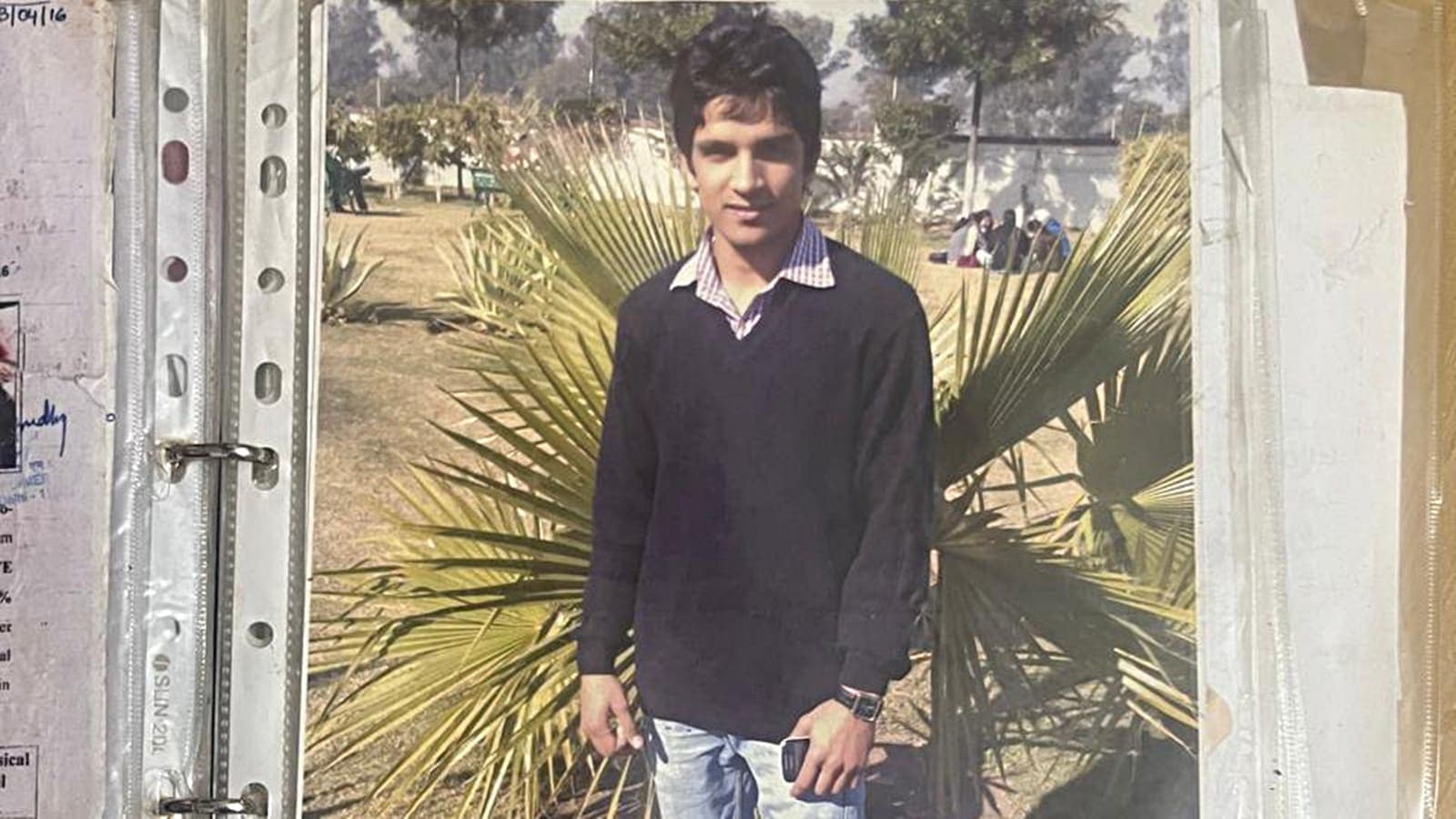
Image: Indian Express
The Supreme Court's approval of passive euthanasia for Harish Rana raises important questions about palliative care practices and ethical considerations in end-of-life management.
GlipzoOn September 27, 2023, the Supreme Court of India made a pivotal ruling by permitting passive euthanasia for Harish Rana, a 32-year-old resident of Ghaziabad, who has been in a persistent vegetative state for over a decade. This decision has prompted profound questions about the future course of action for medical professionals tasked with implementing this sensitive ruling.
The court's ruling allows for the withdrawal of life support, a measure that has been a topic of intense ethical and medical debates. For the past 13 years, Rana has relied solely on clinically administered nutrition delivered through tubes. The Supreme Court's approval came after careful consideration of his medical condition and the emotional plea from his parents, who have dedicated more than a decade to his care.
At the All-India Institute of Medical Sciences (AIIMS) in Delhi, where Rana will receive care, the focus will shift toward facilitating a natural death rather than hastening it. According to Dr. Sushma Bhatnagar, former chief of AIIMS and a prominent figure in palliative care, the aim will be to ensure comfort and dignity during this transition.
Dr. Bhatnagar emphasizes that palliative care is fundamentally different from any form of euthanasia, whether active or passive. She stated, “Palliative care never supports any kind of euthanasia. What we support is allowing a person to die naturally. We will not prolong death, and we will not hasten death.” This underscores the ethical distinction between withdrawing life support and actively causing death.
Passive euthanasia is defined as the legal and ethical practice of discontinuing life-sustaining treatments, allowing patients to die from their underlying medical conditions. This approach contrasts sharply with active euthanasia, which involves direct actions taken to end a patient’s life.
The case reached the Supreme Court after Harish’s parents sought permission to withdraw life-sustaining measures due to their advancing age and diminishing ability to provide the intensive care he requires. They articulated a genuine concern for their son's quality of life, stating, “Their request was genuine in the sense that they have been looking after him for many years. Now they are ageing and unable to look after him.”
The parents requested to stop or reduce his food intake, fully aware that recovery was not an option. Dr. Bhatnagar explained, “Stopping food is basically a kind of passive euthanasia. Doctors will not do anything actively, but it becomes a passive way of allowing the natural end.” This statement encapsulates the ethical complexities surrounding the withdrawal of nutrition and hydration in such cases.
At AIIMS, adherence to palliative care principles will dictate the approach taken with Rana. The medical team will provide supportive care while avoiding aggressive interventions that could prolong his life without enhancing its quality. Dr. Bhatnagar noted, “They are not going to do anything to hasten his end and will not prolong his end by putting him on unnecessary support.”
Dr. Bhatnagar highlighted the importance of nursing care, stating, “There will be a lot of nursing care required. He should remain clean, he should not develop bed sores and he should not have pain or distressing symptoms.” This commitment to humane treatment is a testament to the principles of palliative care that prioritize the patient’s well-being.
The question of nutrition has been central to the discourse surrounding this case. While the court has granted permission for passive euthanasia, the management of nutritional intake will be handled with care. Dr. Bhatnagar clarified, “There is no role for repeated blood investigations or X-rays or chest tests. Even in palliative care, we don’t do all this.” The intent is to reduce unnecessary medical interventions that could detract from comfort and quality of life.
The approach at AIIMS signifies a shift towards a more compassionate framework in end-of-life care, ensuring that Harish Rana receives the dignity and respect he deserves in his final days.
The Supreme Court's ruling on passive euthanasia marks a significant milestone in India's approach to end-of-life care. As medical professionals prepare to implement this decision, the focus remains on providing comfort and dignity for patients like Harish Rana. The careful balance between ethical considerations, patient autonomy, and medical responsibility will shape how such cases are handled in the future, paving the way for a more compassionate healthcare system.

Shocking findings from Nottingham's maternity unit reveal a toxic culture and alarming neglect. What can be done to improve care? Discover the details.
BBC Health
Discover how daraxonrasib, a new pill, is nearly doubling survival rates for pancreatic cancer patients, offering hope in a challenging battle against this deadly disease.
BBC Health
Waste companies propose a £5 deposit on vapes to encourage proper disposal and curb littering as the environmental impact of vapes increases.
BBC Business