

Image: Mint (Business)
Discover Steve Jobs' timeless wisdom on work and life from his 2005 Stanford speech, emphasizing passion and purpose in today’s evolving work culture.
GlipzoIn 2005, the world witnessed a powerful moment as Steve Jobs, the co-founder of Apple and a visionary in technology, delivered a commencement speech at Stanford University. During this address, he shared profound insights that continue to resonate, particularly his famous quote: “Your work is going to fill a large part of your life, and the only way to be truly satisfied is to do what you believe is great work.” This message, delivered over 20 years ago, is increasingly relevant today as work environments around the globe evolve.
In an era where the significance of work-life balance is gaining traction, many professionals are reevaluating their careers to escape the grips of what they perceive as a stressful work culture. More individuals are stepping away from roles that compromise their well-being, seeking instead environments that foster satisfaction and fulfillment. Jobs' words serve as a clarion call to these individuals, reminding them of the importance of aligning their work with their passions and values.
Jobs' quote encapsulates a broader narrative about life, purpose, and the courage to pursue one's intuition. He emphasized that work constitutes a substantial portion of our existence, making the choice of a meaningful profession critical. Choosing a path that resonates with personal beliefs is essential; otherwise, one risks spending decades in a state of frustration and dissatisfaction.
These principles are increasingly relevant as workers today strive for jobs that align with their values rather than merely chasing financial rewards or societal status.
The corporate landscape has seen defining moments that echo Jobs' philosophy on ethics and values. One notable instance occurred recently with Atanu Chakraborty, the part-time chairman of HDFC Bank, who resigned citing differences regarding “values and ethics.” This resignation underscores a growing trend of professionals stepping away from roles that do not align with their personal convictions.
In a similar vein, on February 9, 2026, Mrinank Sharma, the head of the safeguards research team at Anthropic, announced his departure through a poignant social media post. While he did not divulge specific reasons, his mention of the pressure that forced him to neglect what mattered most suggests a deeper conflict with his values. Such departures indicate a shift in priorities for many professionals, reflecting Jobs' belief that work should not only be about output but also about personal integrity and satisfaction.
Steve Jobs, born on February 24, 1955, in San Francisco, California, left an indelible mark on the tech industry before his passing on October 5, 2011. His journey started from humble beginnings, raised by adoptive parents in Cupertino, California, and later dropping out of Reed College in Oregon. Jobs’ early career included a stint as a video game designer at Atari Corporation before he co-founded Apple with Steve Wozniak in 1976. Together, they pioneered the personal computer revolution, laying the groundwork for a technology-driven world.
Jobs’ legacy is not merely in the products he created but also in the philosophy he championed—one that prioritizes passion, purpose, and the relentless pursuit of what one believes is meaningful. This approach to work remains a source of inspiration for many professionals navigating the complexities of modern work culture.
As today’s workforce grapples with burnout and dissatisfaction, Steve Jobs' message remains profoundly relevant. The emphasis on aligning work with personal values encourages individuals to seek out roles that foster both professional growth and personal fulfillment. In a world where work is often defined by metrics and profits, Jobs’ reminder to prioritize passion and integrity is a critical insight for anyone looking to cultivate a satisfying career.
As we move forward, the focus on work-life balance and ethical work environments will likely continue to evolve. Companies that prioritize employee well-being and ethical practices may not only attract top talent but also foster higher levels of innovation and productivity. What to watch for: - Increased emphasis on corporate responsibility: Businesses will likely adopt more ethical stances, mirroring the values of their workforce. - Shift towards remote and flexible work: As employees seek balance, companies may need to adapt to more flexible working models. - A cultural shift in defining success: The narrative around success may evolve from traditional metrics to a more holistic view that encompasses personal satisfaction and ethical practices.
In conclusion, Steve Jobs’ insights are not just relics of the past; they are guiding principles for a new generation seeking meaning and purpose in their work lives. As we reflect on his legacy, we are reminded that the pursuit of what we love is not just a personal journey but a professional imperative for the future.

Commercial LPG prices have risen again, with increases of ₹42 in Delhi and ₹53.50 in Kolkata impacting businesses and consumers alike. Find out more.
Indian Express
Discover how a tragic coal mine explosion in Shanxi, China, reveals ongoing safety concerns in the industry amidst a push for green energy.
BBC Business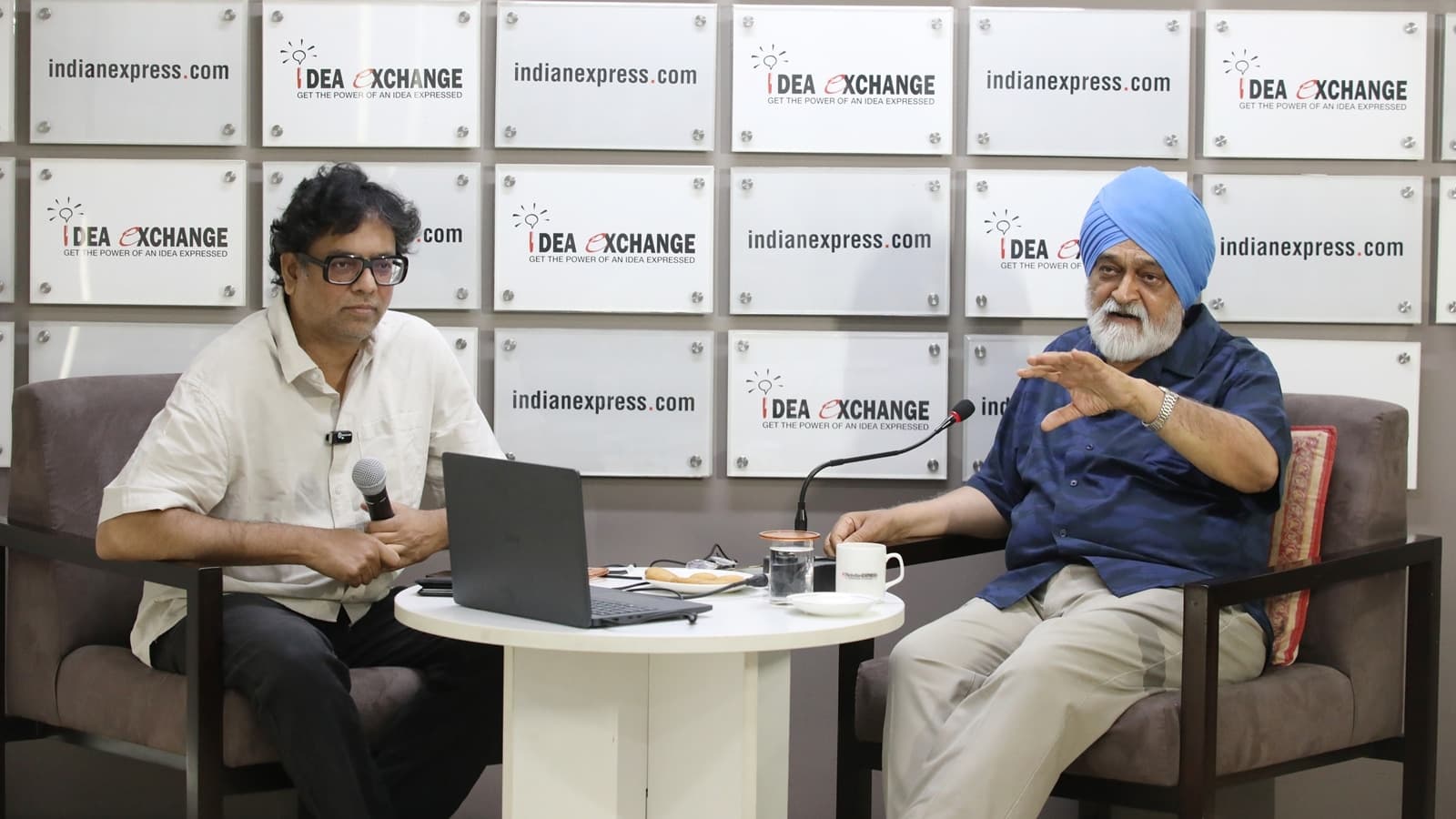
Montek Singh Ahluwalia highlights key economic challenges for India, emphasizing the need for a strategic approach to balance payments and investment.
Indian Express