
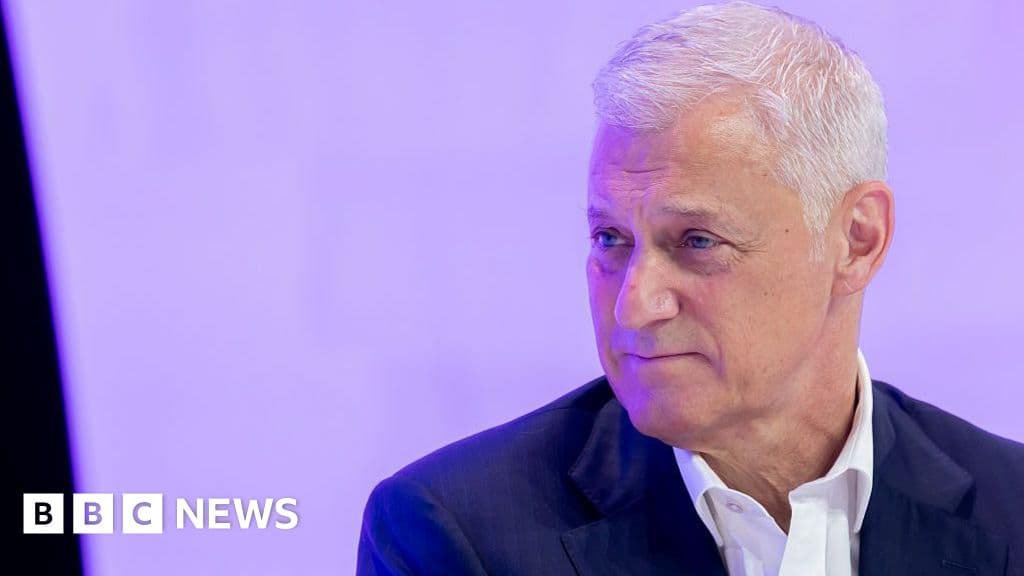
Image: BBC Business
Standard Chartered CEO Bill Winters apologizes for calling some employees 'lower value human capital' amid automation fears. What does this mean for the future of work?
GlipzoIn a recent conference, Bill Winters, the CEO of Standard Chartered, ignited controversy after referring to some employees as 'lower value human capital'. His comments were made in the context of discussing how automation and artificial intelligence (AI) could potentially lead to significant job reductions at the bank. This statement has not only raised eyebrows but also led to an apology from Winters, who expressed regret for the upset his words caused among staff.
At the conference, Winters emphasized that the bank's strategy was not merely about cost-cutting but rather about replacing certain roles with financial and investment capital. He stated, "In some cases, lower value, human capital, with the financial capital and the investment capital that we're putting in." This remark quickly drew criticism, particularly as it suggested that the bank might prioritize technology over its workforce, leading to fears about job security among its 82,000 employees worldwide.
Following the backlash, Winters took to LinkedIn to clarify his comments and apologize for his choice of words. He acknowledged that his remarks had caused distress among colleagues and expressed his commitment to helping staff navigate the evolving landscape of their industry. Winters stated, “I am sorry for my wording, which has caused upset to some colleagues.” He emphasized the importance of supporting employees who might face displacement due to automation.
In his LinkedIn post, Winters explained that the bank anticipates a 15% reduction in back-office roles over the next four years, equating to approximately 7,800 positions. He reassured staff that Standard Chartered has a strong track record of aiding employees in transitioning to new opportunities within the organization, particularly as they adapt to the increasing use of technology in their roles.
The rise of AI has become a pressing concern across various sectors, with predictions indicating that technology workers and graduates are particularly at risk. Major companies, including Amazon, Meta, and Microsoft, have already announced substantial layoffs attributed to automation and AI advancements. This trend highlights a broader fear among employees regarding job security in an increasingly digital economy.
Standard Chartered’s actions are part of a larger narrative within the financial services industry, which is grappling with similar challenges. As banks and financial institutions integrate AI technologies, the need for human labor in certain roles diminishes, leading to widespread job cuts. In light of this, Winters asserted the bank’s responsibility to assist its workforce in adapting to changes and upgrading their skills.
The response to Winters' apology has been mixed. While some colleagues expressed appreciation for his clarification and commitment, others were less forgiving. One commenter noted the difficulty in discerning the difference between his original conference remarks and his subsequent written clarification, suggesting that either his wording was poorly chosen or his true beliefs were revealed. A second individual remarked, “You will forever be known as the guy who believes his employees are 'lower value'.”
Moreover, an internal memo obtained by the BBC indicated that Winters recognized the unsettling nature of media portrayals of his comments, particularly when reduced to soundbites. He reassured employees of the bank's commitment to handling changes thoughtfully and with care, emphasizing the importance of redeployment wherever possible.
As Standard Chartered moves forward, it faces the challenge of balancing technological advancement with employee welfare. The bank's spokesperson reiterated that they are focused on integrating top human talent with AI, ensuring that employees are equipped with future-ready skills. This commitment is crucial not only for the bank's internal ecosystem but also for the broader job market, where workers must remain adaptable in an era defined by rapid technological change.
This incident underscores a critical moment in the ongoing dialogue between human employment and technological advancement. As companies like Standard Chartered navigate these transitions, the way they communicate and support their workforce will be pivotal in shaping employee morale and public perception. The conversation around AI and job security is far from over, and institutions must tread carefully to maintain trust and ensure a fair transition for their employees.
Looking ahead, it will be essential to monitor how Standard Chartered implements its workforce strategies in light of these recent events. Key areas to watch include: - Redeployment initiatives: Will the bank effectively support displaced employees in finding new roles? - Skill development programs: How will they equip their workforce with the necessary skills to thrive in an AI-driven environment? - Employee relations: How will management’s approach to communication evolve to prevent further misunderstandings?
In a rapidly changing industry, maintaining open lines of communication and demonstrating genuine concern for employee welfare will be crucial for Standard Chartered as it charts its future in the age of automation.

Commercial LPG prices have risen again, with increases of ₹42 in Delhi and ₹53.50 in Kolkata impacting businesses and consumers alike. Find out more.
Indian Express
Discover how a tragic coal mine explosion in Shanxi, China, reveals ongoing safety concerns in the industry amidst a push for green energy.
BBC Business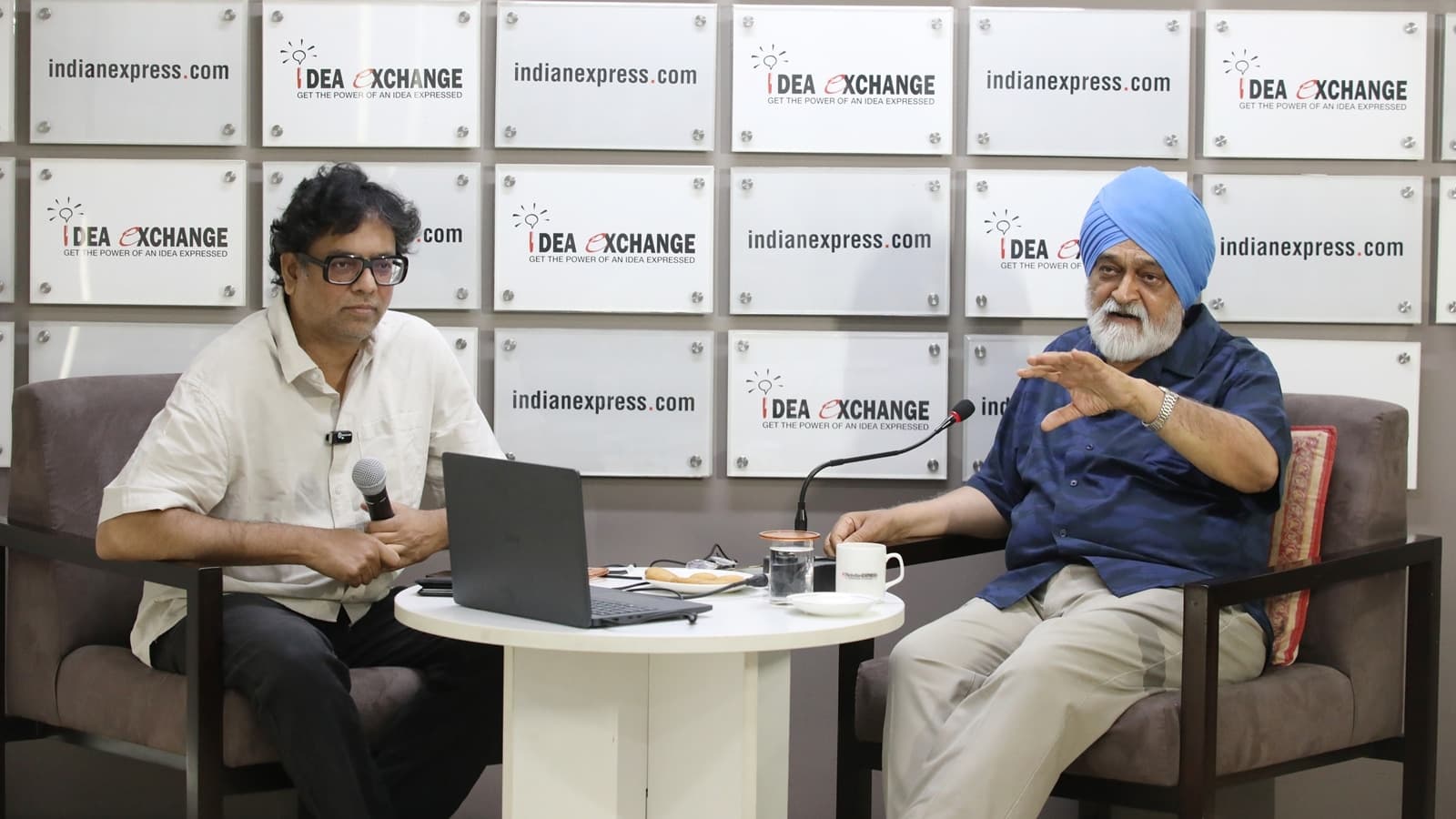
Montek Singh Ahluwalia highlights key economic challenges for India, emphasizing the need for a strategic approach to balance payments and investment.
Indian Express