
Image: BBC World
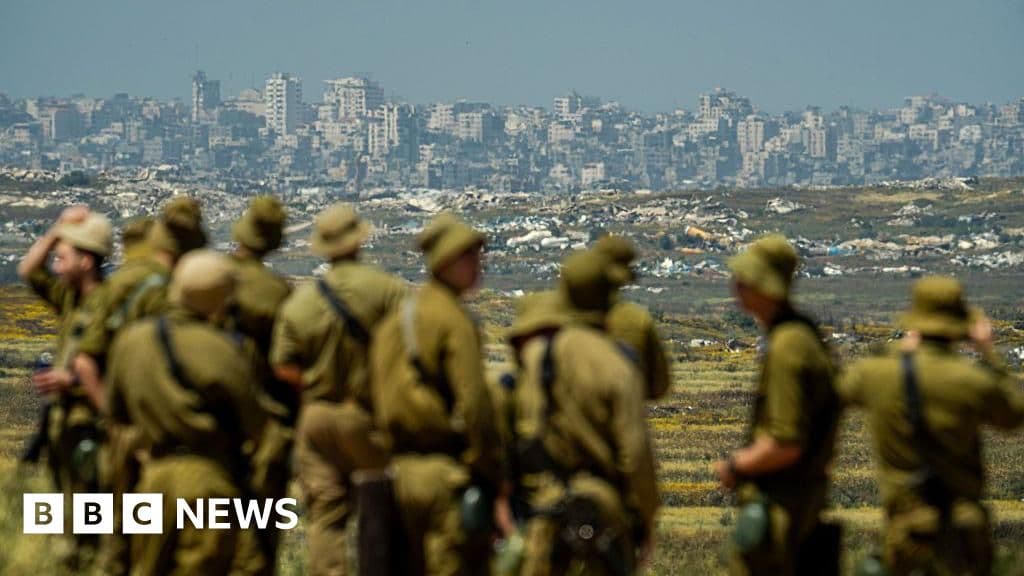
Ceasefire talks between Israel and Hamas stall, raising fears of renewed conflict in Gaza. Will diplomacy prevail, or are we on the brink of war?
GlipzoTensions are escalating in Gaza as ceasefire discussions between Israel and Hamas hit a significant standstill, raising fears of a renewed conflict. The situation worsened this week when an Israeli airstrike resulted in the death of Azzam al-Hayya, the son of Khalil al-Hayya, a key figure in the Hamas leadership and chief negotiator for the group. Reports indicate that both sides have reached an impasse, with Palestinian sources confirming the deadlock in negotiations, which have become increasingly fraught.
Israeli media outlets have suggested that the nation is preparing to resume military operations in the Gaza Strip due to Hamas's steadfast refusal to disarm. Michael Eisenberg, an advisor to the Israeli prime minister, stated, "We understood, everyone understood that Hamas would not disarm, and they have followed through on their intentions." He described Hamas as an "unrepentant terrorist group," emphasizing that while there is no desire for war, "all options are on the table right now."
Reports from Israel's Channel 12 News indicate that Washington may grant Israel the green light to resume military operations in Gaza. One possible action under consideration is an expansion of the so-called Yellow Line, which marks the area of Gaza that remains under full Israeli military control. Residents on the ground have noted that such military maneuvers appear to be already underway.
Israel contends that Hamas's refusal to disarm constitutes a violation of the ceasefire agreement that took effect on October 10. Conversely, Hamas argues that Israel has breached the agreement by failing to uphold its humanitarian commitments, which include halting attacks and ensuring aid access. A recent statement from Hamas called on the U.S. administration and other guarantor states of the Sharm el-Sheikh ceasefire agreement to intervene immediately to halt what they describe as Israeli aggression.
The humanitarian crisis in Gaza is becoming increasingly dire. Since the ceasefire began, the Hamas-run health ministry reports that at least 846 individuals—including numerous women and children—have lost their lives to Israeli airstrikes. In contrast, Israel has reported the deaths of five soldiers during the same period. With over two million residents in Gaza, many are already displaced and living in fear of a full-scale war.
One displaced mother, Samah, expressed her exhaustion from ongoing violence, saying, "Honestly, I say enough war. We hope that the war doesn't resume. There are still attacks until now." Her sentiment reflects the growing anxiety among the populace, as they face not only the threat of renewed conflict but also the harsh realities of displacement and loss.
Amid the turmoil, Palestinian officials have revealed that recent negotiations with Hamas leaders and the U.S.-led Board of Peace in Cairo have also reached a deadlock. These officials noted that Israel is pushing to move to the second phase of President Trump's 20-point plan, which emphasizes disarmament, before fulfilling the obligations of the first phase.
Hamas's demands in these negotiations include: - A cessation of Israeli shelling and military operations in Gaza - Increased humanitarian aid and the entry of temporary housing units - Enhanced access for Palestinian patients and travelers via Egypt's Rafah Crossing
Israel maintains strict controls over what can enter and exit Gaza for security reasons, complicating the humanitarian situation further. While Hamas continues to reference the terms of the Sharm el-Sheikh agreement, which focused on the initial stage of the ceasefire, Israel is advocating for the more comprehensive 20-point peace plan endorsed by the UN Security Council.
The current standoff between Israel and Hamas has far-reaching implications not only for the region but also for global stability. The potential for renewed hostilities could exacerbate an already critical humanitarian crisis in Gaza, where civilians are bearing the brunt of the conflict. Furthermore, a breakdown in negotiations could lead to a resurgence of violence that may draw in regional powers and escalate tensions further.
As this situation unfolds, all eyes will be on the actions of both Israel and Hamas in the coming days. Will they find a way to bridge their differences, or are we on the brink of another devastating conflict? The international community must remain vigilant and proactive to prevent further escalation and support humanitarian efforts in Gaza.
As the situation develops, several key factors will be crucial to monitor: - Continued Military Actions: Any increase in Israeli military operations will signal a severe escalation in hostilities. - Humanitarian Aid: The flow of aid into Gaza and how both parties respond to humanitarian needs will be critical in assessing the situation. - International Diplomatic Efforts: Watch for any moves by the U.S. or other nations to mediate and foster dialogue between the conflicting parties. - Public Sentiment: The reactions of civilians in both Gaza and Israel to renewed fighting will play a significant role in shaping future actions and policies.
As tensions rise, the world watches closely, hoping for a resolution that prioritizes peace and the welfare of millions caught in the crossfire.
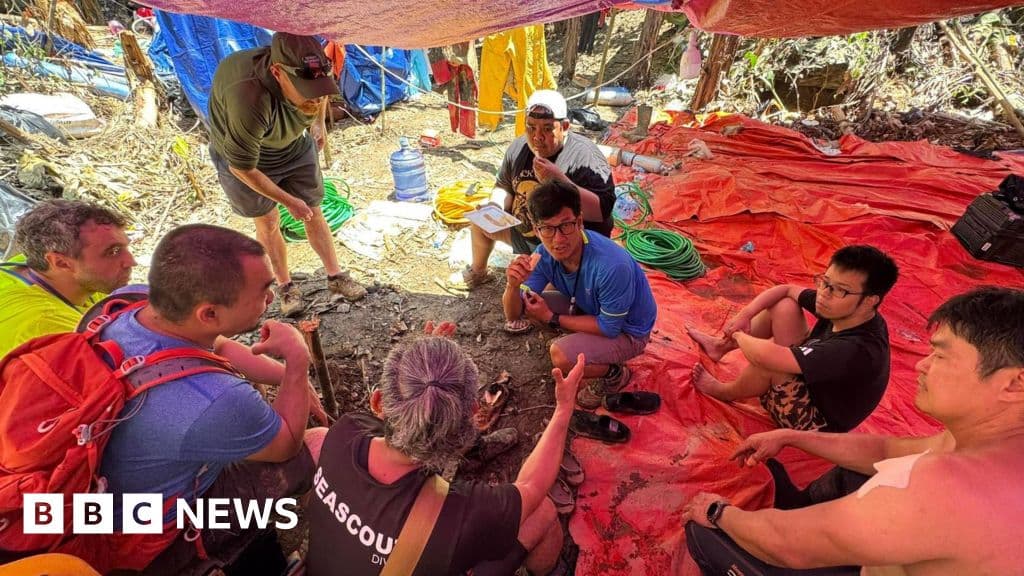
Survivors of the Laos cave rescue are aiding efforts to find the last two missing men trapped inside, sharing crucial insights for the search operation.
BBC World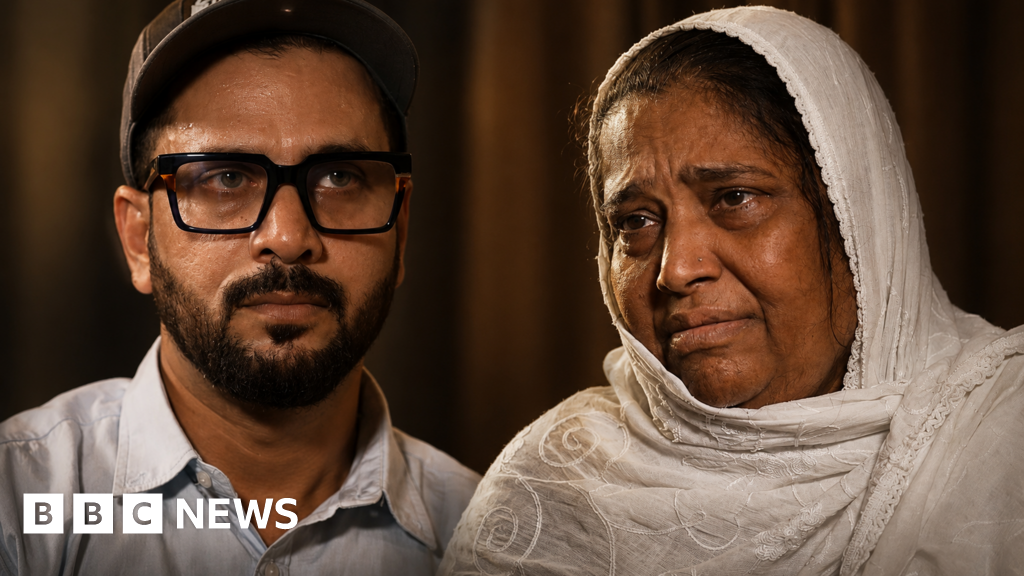
A year after the tragic Air India crash, the Ali family reflects on grief, unanswered questions, and the enduring bonds of love in the face of loss.
BBC Business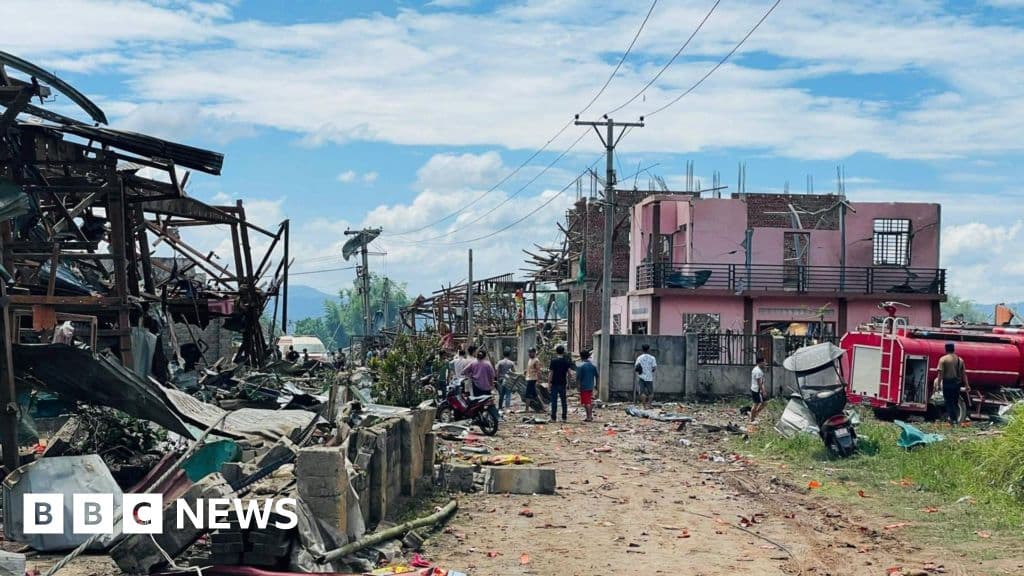
A devastating explosion in Myanmar's Kaung Tat village has killed at least 55 people, raising serious safety concerns and questions about civilian protection in conflict zones.
BBC World