
Image: BBC World
Sri Lanka's bold move to declare Wednesdays a public holiday aims to conserve fuel amid rising global oil prices and geopolitical tensions. What’s next?
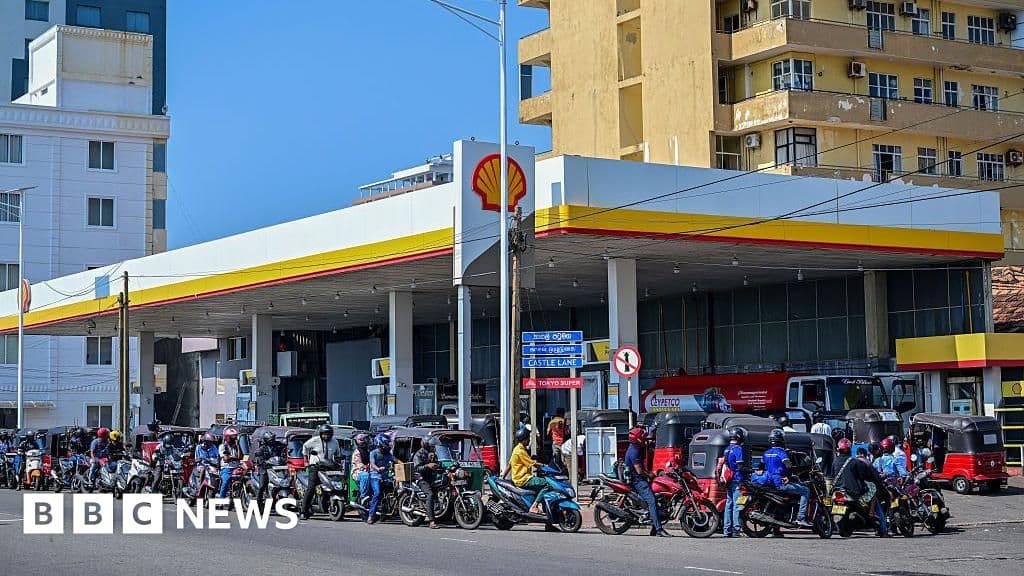
GlipzoIn a decisive step to tackle a looming fuel crisis, Sri Lanka has officially designated Wednesdays as public holidays. This unprecedented measure comes as the nation contends with the economic repercussions of escalating tensions in the Middle East, particularly the ongoing conflict involving the U.S. and Israel against Iran. President Anura Kumara Dissanayake articulated the necessity of such drastic action during an emergency meeting held on Monday, emphasizing the need to "prepare for the worst, but hope for the best."
The urgency of the situation is underscored by Sri Lanka's reliance on external oil supplies, particularly through the Strait of Hormuz, a vital maritime route that facilitates the transport of millions of barrels of oil. In fact, nearly 90% of the oil and gas that passed through this strait in the last year headed toward Asian markets, making Asia the world’s largest oil-importing region. As global oil prices soar, currently hovering around $100 per barrel, countries across Asia are implementing various measures to conserve energy and mitigate the impact of potential shortages.
Sri Lanka’s initiative is part of a broader trend observed across Asia, where governments are adopting austerity measures to address fuel conservation in light of rising prices and geopolitical tensions. Here are some notable strategies being employed in various countries: - Thailand: Authorities are encouraging citizens to opt for short-sleeved shirts over suits to reduce air conditioning usage. - Myanmar: A vehicle usage policy permits private cars to operate only on alternate days based on license plate numbers. - Bangladesh: The government has shifted Ramadan holidays at universities earlier and imposed planned power outages nationwide. - Philippines: Government offices have mandated remote work at least one day a week, while President Ferdinand Marcos Jr. has prohibited non-essential travel in the public sector. - Vietnam: Citizens are urged to minimize personal vehicle use, with recommendations to bike, carpool, or utilize public transport.
These measures reflect a collective urgency to adapt to the evolving energy landscape and the potential for continued disruptions.
In addition to the new Wednesday holiday, Sri Lanka is also mandating that motorists register for a National Fuel Pass. This system imposes fuel rations, limiting the amount of fuel available to individuals. Under the current regulations, private vehicle owners can purchase 15 liters of fuel, while motorcyclists are restricted to 5 liters.
The introduction of this fuel rationing system has not been without controversy. Many Sri Lankans feel that the quotas are insufficient, particularly in light of the country's previous struggle with fuel shortages during its 2022 economic crisis. That crisis forced the nation to exhaust its foreign reserves, leading to the inability to import essential items, including fuel.
The decision by Sri Lanka to declare Wednesdays a public holiday is emblematic of the significant challenges faced by nations dependent on imported oil. As global events unfold, the implications extend beyond local economies, touching on international relations and energy security. The rising oil prices and the potential for further conflict in the Middle East could ripple through economies worldwide, affecting everything from transportation costs to food prices.
Moreover, the actions taken by Sri Lanka and other Asian nations highlight the need for long-term solutions to energy dependency. As countries grapple with these immediate challenges, there is a growing recognition of the importance of investing in renewable energy sources and improving energy efficiency.
As Sri Lanka embarks on this new four-day work week, the government’s focus will likely shift to monitoring the effectiveness of the fuel rationing system and the overall response from the populace. The success of these initiatives will depend on public compliance and cooperation, as well as the global oil market’s stability.
In the coming weeks, observers will be keen to see if other nations adopt similar measures or if Sri Lanka will adjust its approach based on the evolving energy landscape. With the global economy facing unprecedented challenges, the world will be watching how these fuel conservation strategies unfold and impact local and international markets.
As tensions continue in the Middle East, it will be crucial for countries to remain vigilant and proactive in their energy policies while fostering resilience against external shocks. The decisions made today could shape the energy landscape of tomorrow, making the current moment a critical juncture for nations like Sri Lanka and their Asian counterparts.
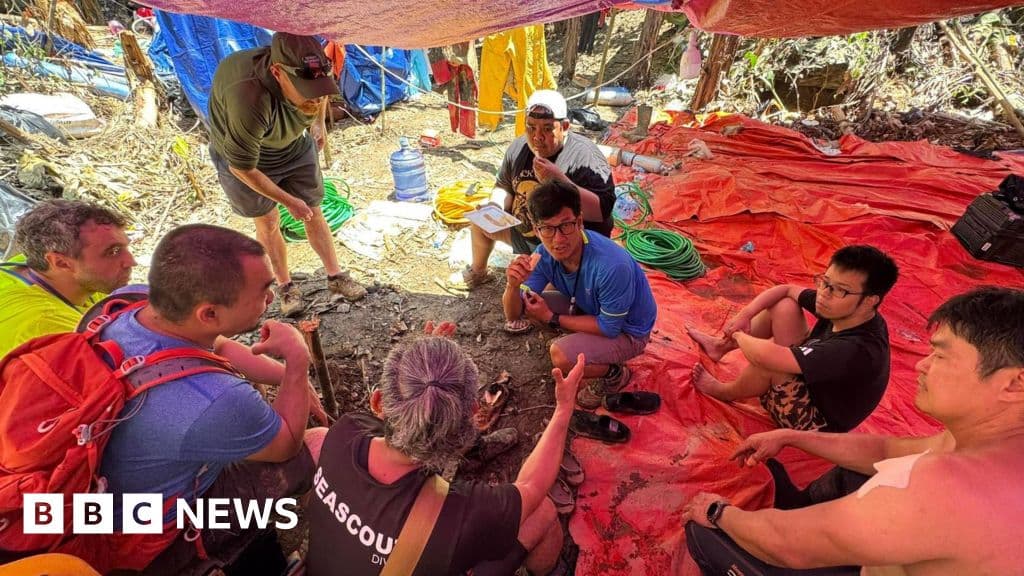
Survivors of the Laos cave rescue are aiding efforts to find the last two missing men trapped inside, sharing crucial insights for the search operation.
BBC World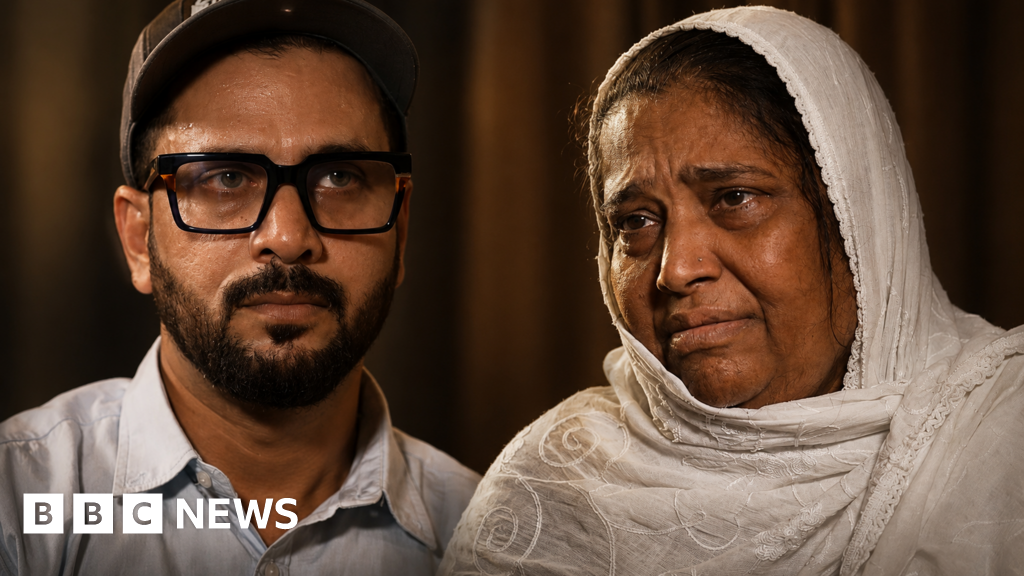
A year after the tragic Air India crash, the Ali family reflects on grief, unanswered questions, and the enduring bonds of love in the face of loss.
BBC Business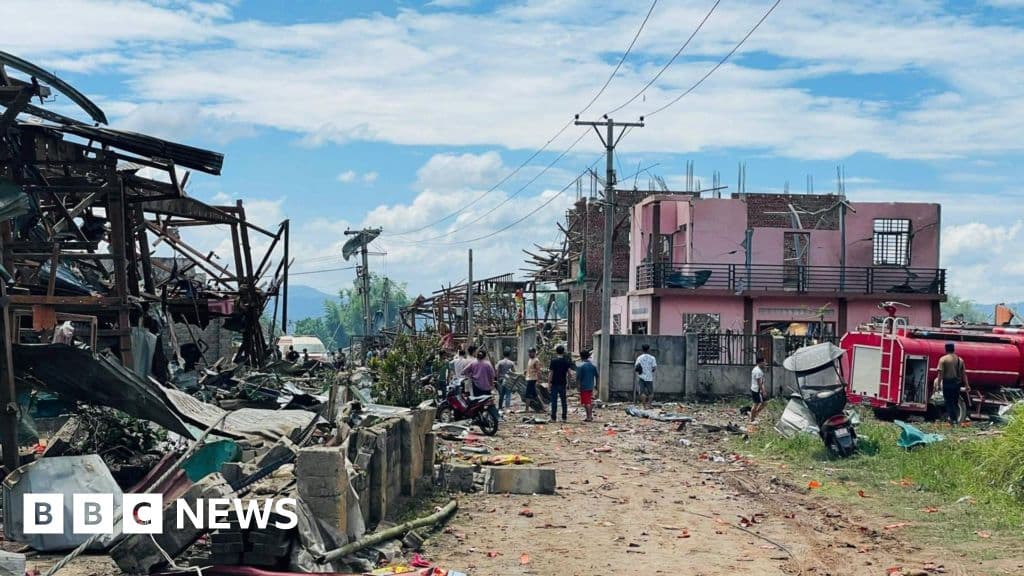
A devastating explosion in Myanmar's Kaung Tat village has killed at least 55 people, raising serious safety concerns and questions about civilian protection in conflict zones.
BBC World