
Image: BBC World
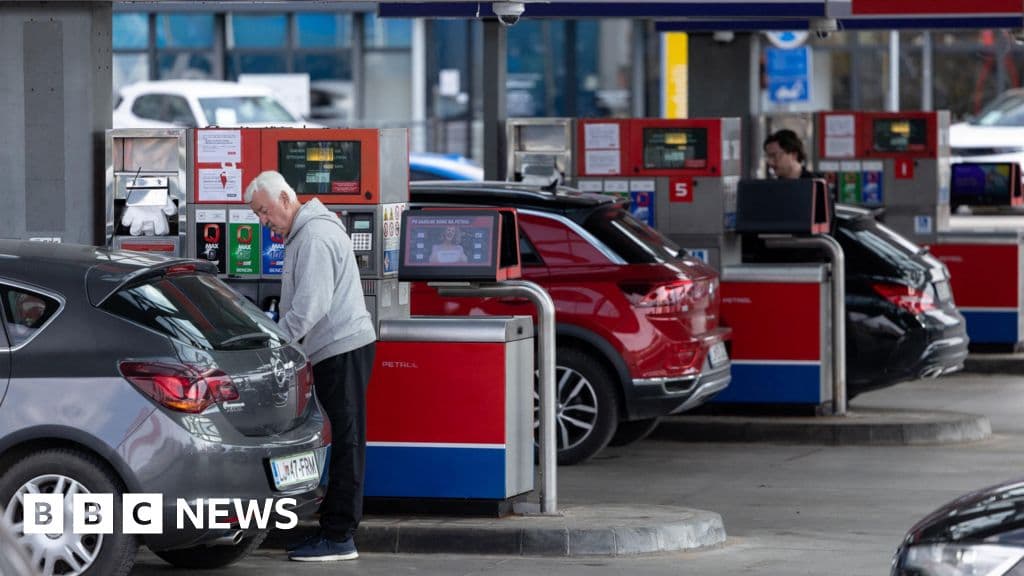
Slovenia has become the first EU nation to introduce fuel rationing due to rising prices and fuel tourism. Discover how this impacts local and regional economies.
GlipzoThe recent turmoil has prompted a phenomenon dubbed "fuel tourism," as drivers from neighboring nations, especially Austria, flock to Slovenia to take advantage of its relatively lower fuel prices. This influx of foreign motorists has raised concerns about local supply and fairness, prompting the government to act.
The situation has been exacerbated by prior measures taken by fuel retailers. For instance, MOL, Hungary's leading fuel retailer, had already implemented its own restrictions, limiting purchases to 30 liters at its stations across the region. The Slovenian government, under the leadership of Prime Minister Robert Golob, insists that there is no immediate shortage of fuel, with ample supplies stocked in local warehouses. Golob reassured citizens, stating, "Let me reassure you that there is enough fuel in Slovenia, the warehouses are full and there will be no fuel shortages."
Currently, fuel prices highlight the stark contrast between Slovenia and Austria. As prices in Austria approach €1.80 for Euro-super 95 petrol and nearly €2.00 for diesel, Slovenia's prices are set at a maximum of €1.47 and €1.53, respectively, although these are expected to rise soon. This price difference is a significant motivator for Austrian drivers, leading some to question their own country’s pricing policies.
The ramifications of these fuel price disparities have also spilled into the political arena. Herbert Kickl, a prominent far-right Austrian politician and leader of the Freedom Party, has utilized images of long lines at Slovenian petrol stations in his political messaging. He lamented, "Isn't this sad that we live in a country where it has become necessary for many to go abroad so that life is cheaper?"
The evolving situation in Slovenia is not just about fuel; it reflects larger issues of economic stability, regional cooperation, and the interconnectedness of global energy markets. As the government continues to monitor the situation, the public will be keenly observing how these decisions affect their daily lives and the broader implications for European energy policy.
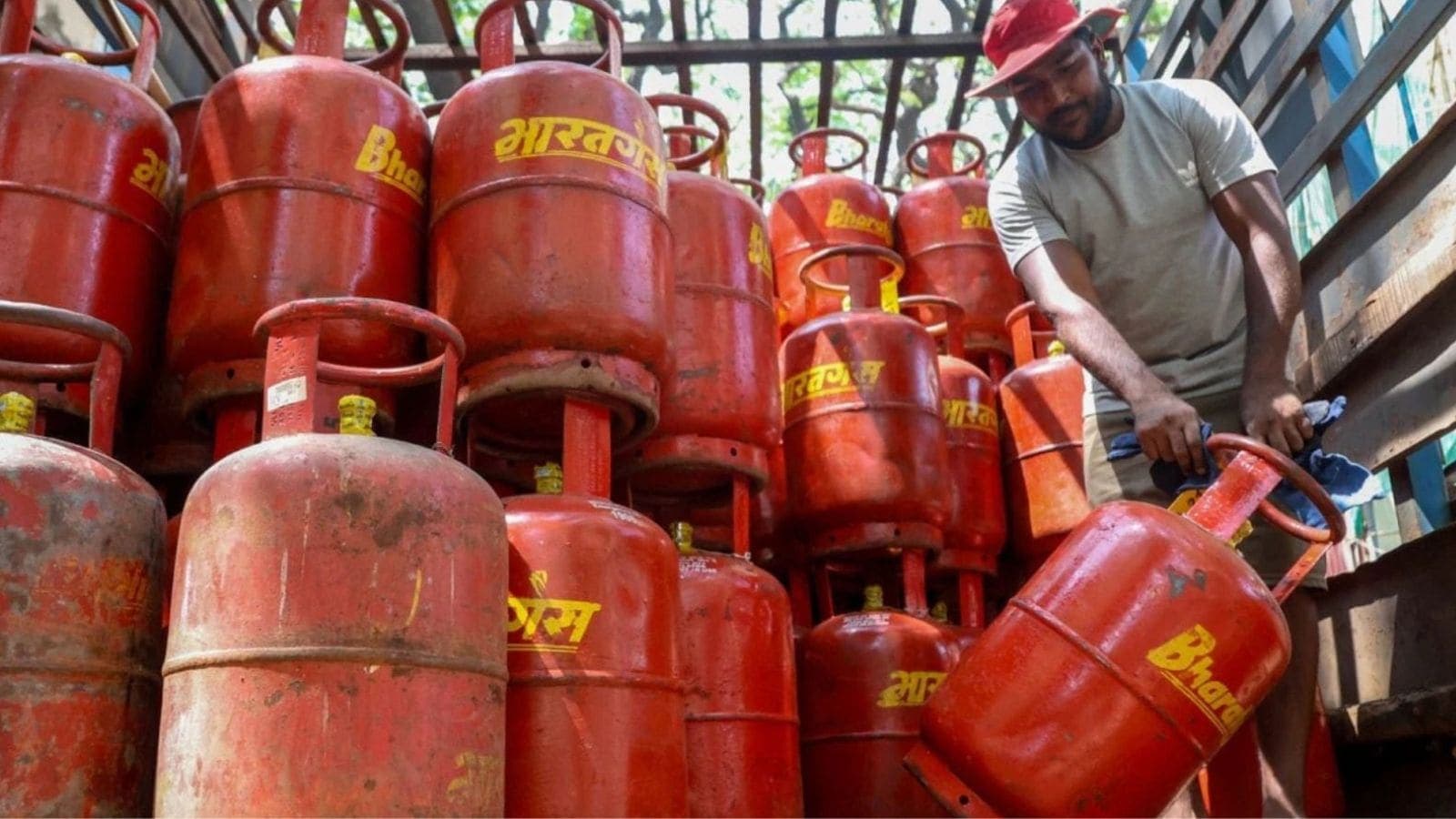
Commercial LPG prices have risen again, with increases of ₹42 in Delhi and ₹53.50 in Kolkata impacting businesses and consumers alike. Find out more.
Indian Express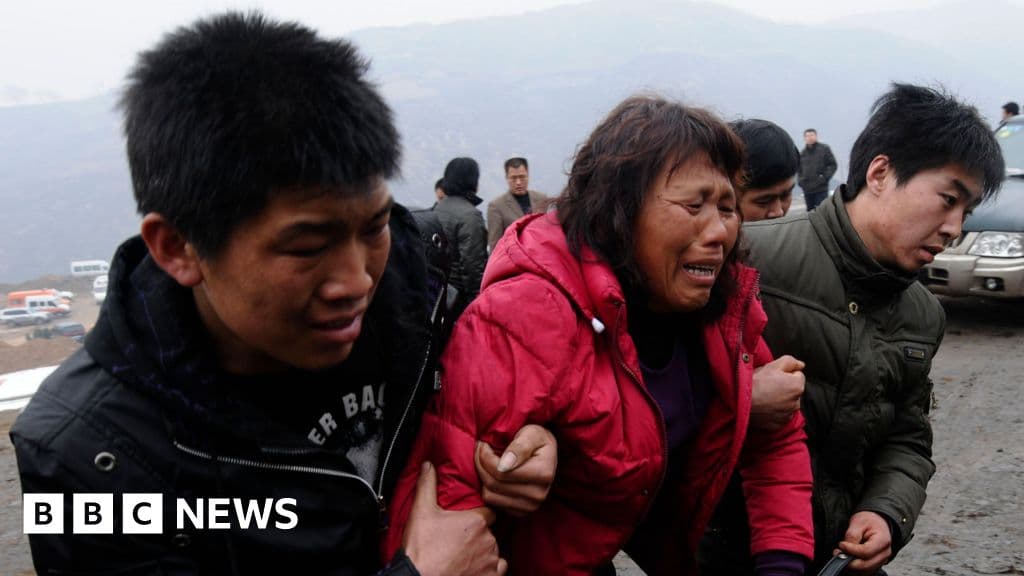
Discover how a tragic coal mine explosion in Shanxi, China, reveals ongoing safety concerns in the industry amidst a push for green energy.
BBC Business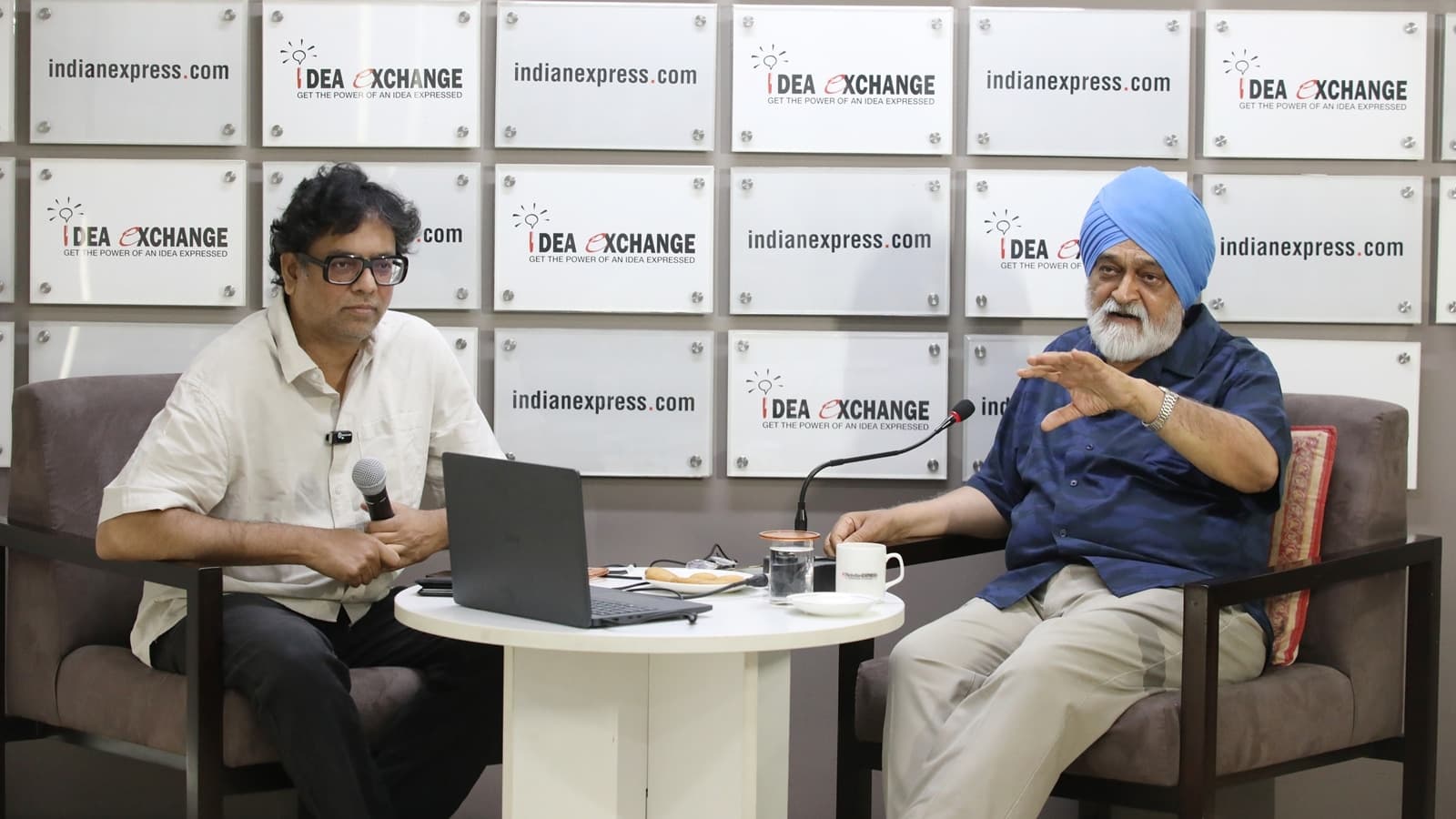
Montek Singh Ahluwalia highlights key economic challenges for India, emphasizing the need for a strategic approach to balance payments and investment.
Indian Express