
Image: BBC Business
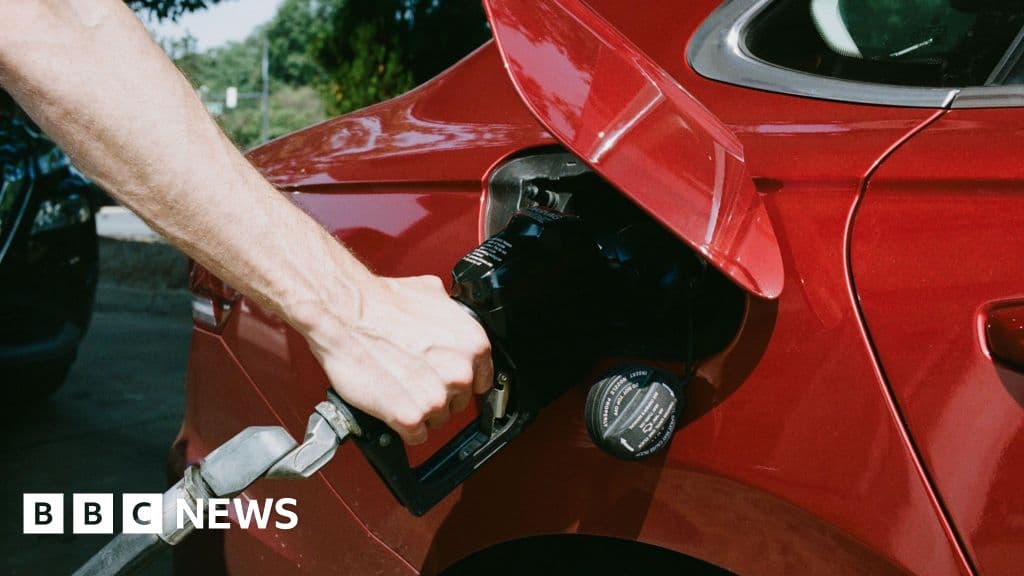
Fuel prices in the UK have stabilized after 43 days of increases, but remain significantly higher than pre-war levels. What does this mean for drivers?
GlipzoIn a significant development for drivers across the UK, the RAC has announced that the relentless rise in petrol and diesel prices has finally come to a standstill after 43 consecutive days of increases. This shift comes on the heels of a temporary ceasefire in the Gulf region, which has contributed to a decrease in crude oil prices. This change in the global oil market is crucial as it directly impacts the costs consumers face at the pump.
Despite this welcome news, the current prices remain substantially elevated compared to pre-war levels. As of now, the average price for petrol stands at just over 158 pence per litre, a marked increase from 133 pence recorded in late February. Similarly, diesel prices have surged from 142 pence to 192 pence per litre during the same timeframe. The RAC's latest report indicates that while prices are stabilizing, they are still considerably higher than those experienced before the geopolitical tensions escalated.
The recent spike in fuel prices can be traced back to the outbreak of the US-Israeli conflict with Iran, which effectively closed off the Strait of Hormuz—a vital waterway responsible for transporting around 20% of the world's oil and liquefied natural gas. The closure has disrupted supply chains and sent global oil prices soaring, which in turn affects fuel costs in the UK and beyond. Higher crude oil prices translate to increased wholesale costs for petrol and diesel, making it more expensive for consumers to fill their tanks.
The financial burden on families has been significant, with the cost of filling up a typical family car with petrol rising by approximately £14 and a full tank of diesel costing £27 more than it did just weeks ago. This increase has added strain on households already grappling with inflation and rising living costs.
Looking ahead, the RAC suggests that fuel prices may begin to decrease in the coming weeks. Simon Williams, head of policy at the RAC, noted that wholesale fuel costs are now significantly lower than they were at the start of the month, indicating that motorists might soon see a reduction of several pence per litre at the pumps. He expressed cautious optimism, stating, "As things stand, we'd expect petrol and diesel to drop by several pence a litre in the next week or so."
Williams emphasized the need for this reduction, saying, "Drivers could do with some relief at the pumps." However, the extent of price changes may vary depending on geographical location due to what the AA refers to as the "pump-price postcode lottery."
Edmund King, president of the AA, explained how local market competition can influence fuel prices. He noted that motorists in towns with competitive retailers are more likely to see price adjustments compared to those in areas where retailers closely monitor each other’s pricing strategies. This discrepancy can lead to inconsistent pricing, with some areas experiencing delays in price reductions.
Historically, the motor fuels sector has faced criticism for its pricing strategies. Reports of "rocket and feather" pricing—where prices rise quickly in response to increasing oil costs but fall slowly when oil prices decrease—have raised concerns among consumers. The Competition and Markets Authority (CMA) has been monitoring these pricing trends and has committed to intensifying its scrutiny in response to the surging energy costs.
In an effort to provide more transparency and assist consumers in finding the best fuel prices, the government has implemented a new scheme allowing drivers to compare fuel prices at various petrol stations throughout the UK. This initiative aims to empower consumers and encourage competition among retailers, which may lead to better pricing for drivers.
As the situation evolves, several factors will influence the direction of fuel prices in the UK. Global oil supply dynamics, ongoing geopolitical tensions, and domestic retail competition will all play critical roles in determining how soon and how significantly prices will drop. As the RAC and AA keep a close eye on market developments, consumers will be hoping for a sustained decrease in fuel costs.
In conclusion, while the recent halt in rising fuel prices offers a glimmer of hope for drivers, the road ahead remains uncertain. The interplay of global events and local market conditions will be pivotal in shaping the future of fuel pricing. Motorists are advised to stay informed and utilize new tools to make the most cost-effective choices at the pump.
Why It Matters: Understanding the factors influencing fuel prices not only helps consumers make informed decisions but also highlights the broader economic implications of global conflicts and market dynamics.
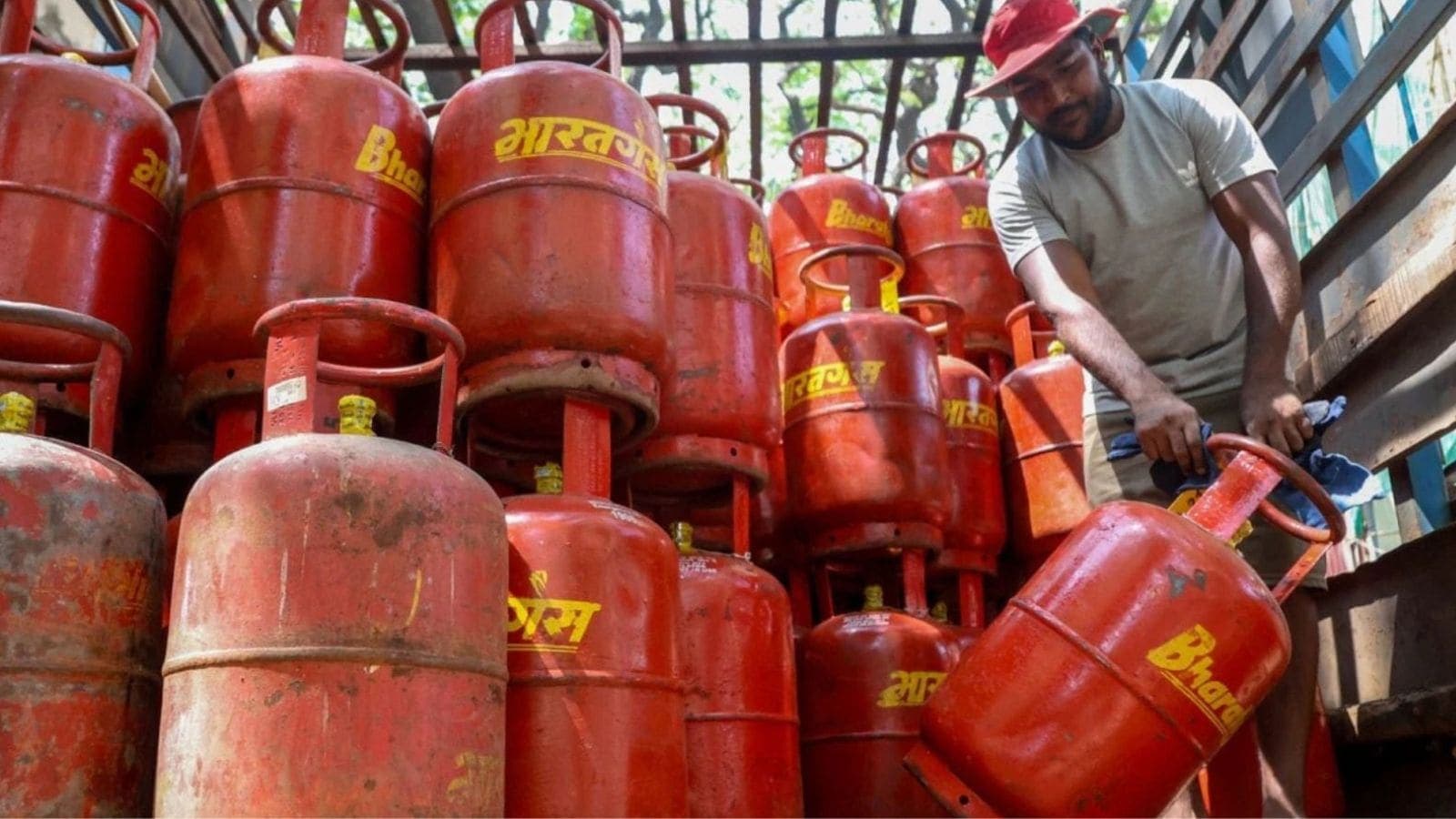
Commercial LPG prices have risen again, with increases of ₹42 in Delhi and ₹53.50 in Kolkata impacting businesses and consumers alike. Find out more.
Indian Express
Discover how a tragic coal mine explosion in Shanxi, China, reveals ongoing safety concerns in the industry amidst a push for green energy.
BBC Business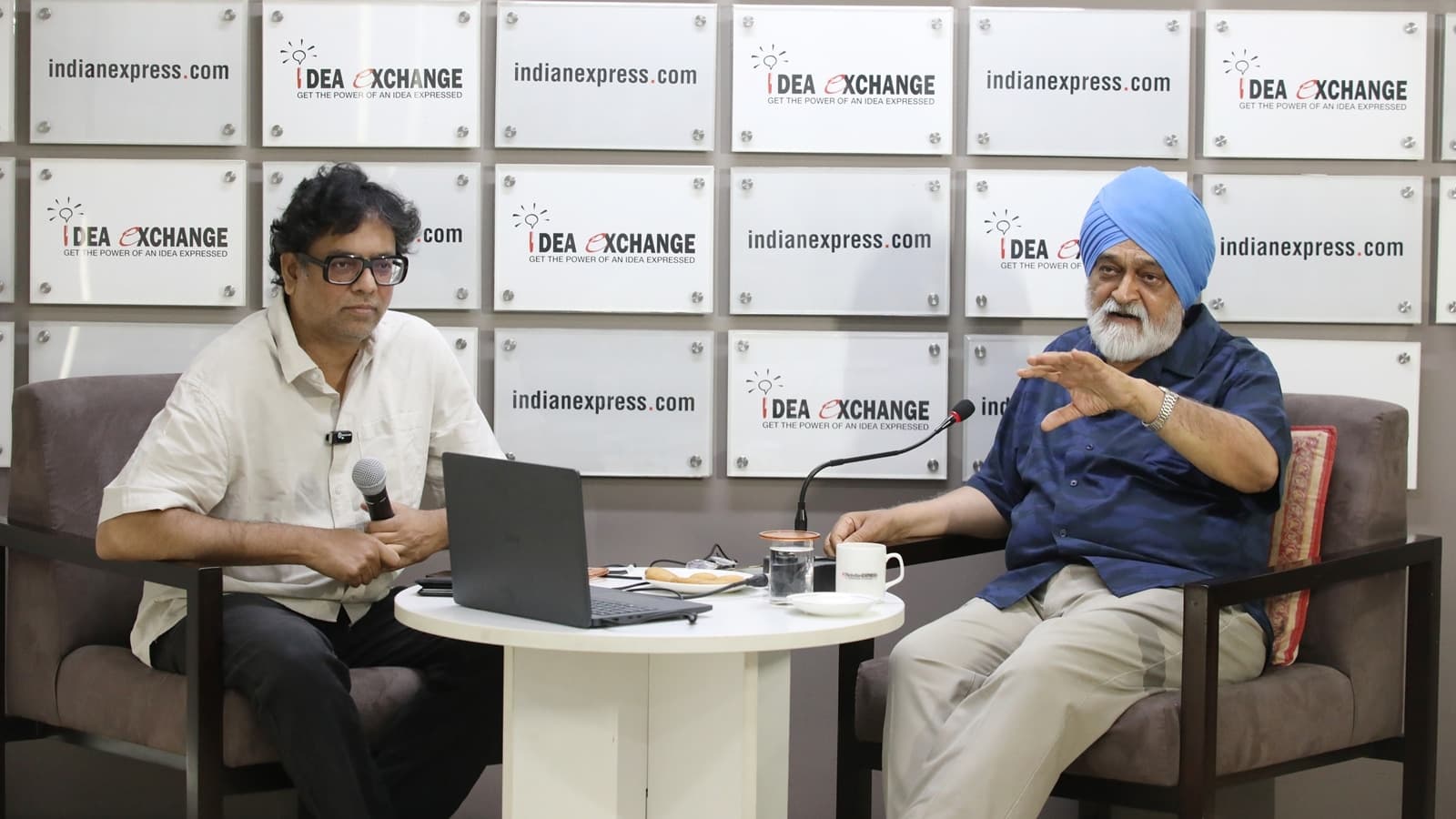
Montek Singh Ahluwalia highlights key economic challenges for India, emphasizing the need for a strategic approach to balance payments and investment.
Indian Express