
Image: BBC Business
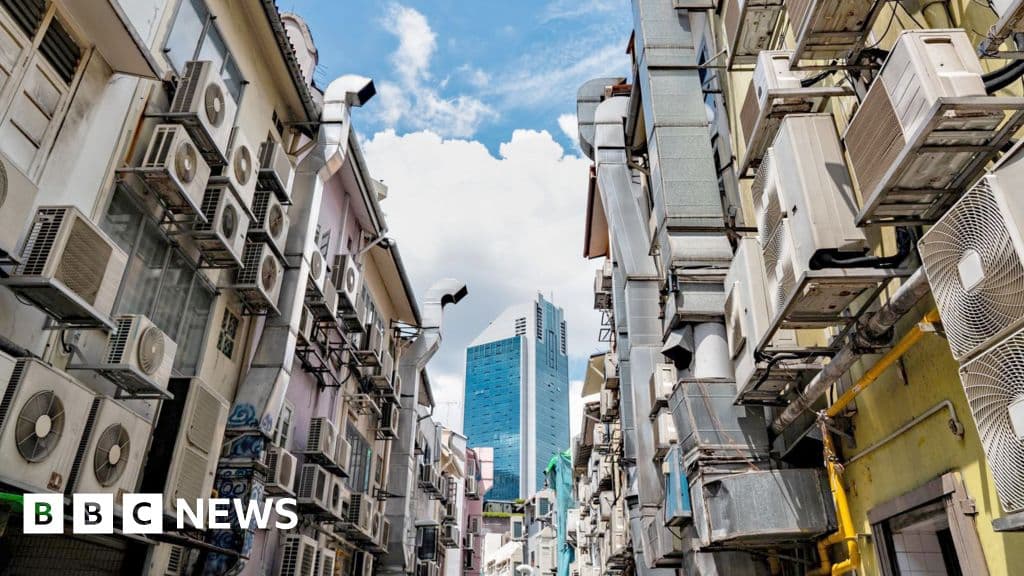
Singapore mandates temperature increase to 25°C in offices amid rising energy prices due to the Iran war. How will this affect its air-conditioning culture?
GlipzoIn a bold move to combat the escalating energy crisis triggered by the ongoing conflict in Iran, Singapore has mandated that government offices raise indoor temperatures to a minimum of 25°C (77°F). This initiative aims to tackle soaring energy costs and reflects the city-state's notorious dependency on air-conditioning, a staple of life in this tropical region.
The Ministry of Sustainability and the Environment announced this directive on April 8, 2023, emphasizing the need for energy conservation as fuel supply chains are disrupted by the war. In addition, public offices will adopt energy-efficient technologies, such as LED lighting and smart sensors, to optimize energy usage. This decision positions Singapore alongside other Southeast Asian nations, like Thailand, which has similarly urged citizens to maintain air-conditioning settings at 26-27°C.
Singapore's reputation as a hub of modernity is often attributed to its efficient infrastructure, including its ubiquitous use of air-conditioning. The late Lee Kuan Yew, recognized as the founding father of modern Singapore, once stated that air-conditioning transformed life in tropical regions, making indoor work feasible despite the oppressive heat.
In his own words, Lee remarked, "The first thing I did upon becoming prime minister was to install air conditioners in buildings where the civil service worked. This was key to public efficiency." Since then, air-conditioning has become integral to both residential and commercial spaces, with few offices lacking these cooling units. However, the excessive reliance on air-conditioning has also led employees to bring sweaters to combat the extreme indoor temperatures.
The Singaporean government is taking a proactive stance in addressing energy consumption as global fuel prices rise. The Ministry has indicated that raising air-conditioning temperatures by just one degree can reduce energy consumption by approximately 10%.
To further mitigate energy usage, government employees are encouraged to: - Utilize fans instead of air-conditioning whenever possible. - Opt for public transportation instead of driving to reduce fuel consumption.
In addition to government efforts, local businesses and the general public are being called upon to adopt similar energy-saving strategies. With the possibility of more disruptions to the economy due to the ongoing conflict in the Middle East, the urgency for these measures cannot be overstated.
Singapore's energy crisis is part of a broader trend across Southeast Asia, where nations are grappling with rising fuel prices and supply constraints. Approximately two-thirds of Singapore’s crude oil imports come from the Middle East, making the nation particularly vulnerable to geopolitical disruptions. The US Energy Information Administration highlights that as tensions escalate, countries like the Philippines and Thailand are also implementing energy-saving policies.
For instance, the Philippines has declared a national energy emergency, shortening the workweek for government offices and implementing strict electricity usage guidelines. Similarly, Thailand has instructed public sector workers to work remotely and maintain higher air-conditioning temperatures.
As Singapore navigates this challenging energy landscape, the government has yet to resort to drawing from its fuel reserves or implementing rationing measures. However, warnings have been issued to the public about potential economic upheaval as fuel prices continue to climb.
In the face of rising energy costs, it remains crucial for Singapore to diversify its energy sources and explore sustainable options. The current crisis serves as a wake-up call for not only Singapore but the entire region to seek alternatives to traditional energy supplies.
The evolving energy crisis has prompted Singapore to rethink its relationship with air-conditioning and energy consumption. As the city-state implements these new regulations, the impact on productivity and public sentiment will be closely monitored.
Looking forward, the question remains: Will Singapore's efforts to conserve energy inspire a broader cultural shift towards sustainability? As residents adapt to higher temperatures and more efficient practices, the region may witness a transformation in energy consumption that could redefine life in this tropical metropolis.
In summary, Singapore's approach to this crisis could shape energy policies not only for itself but potentially influence neighboring countries grappling with similar challenges.
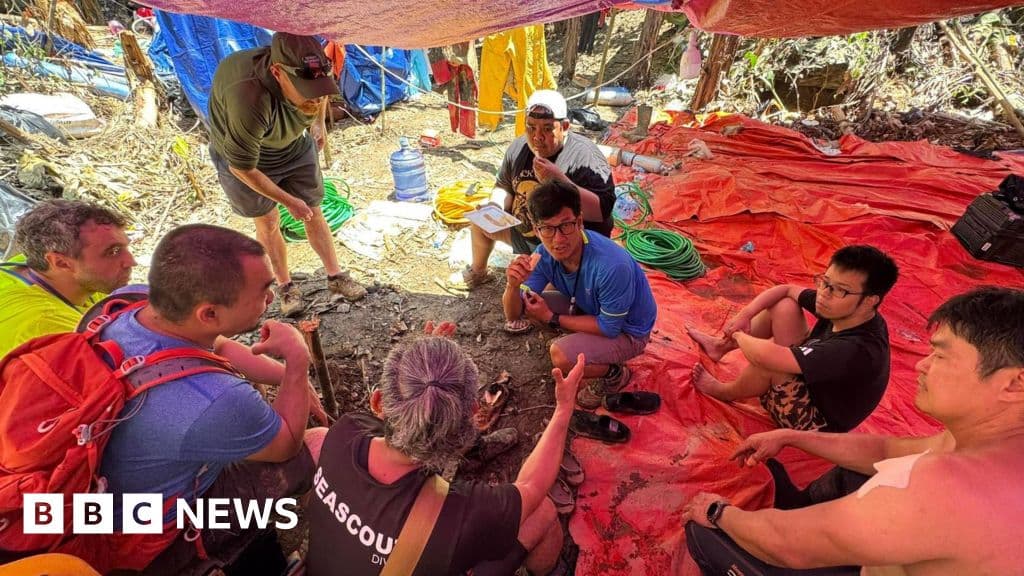
Survivors of the Laos cave rescue are aiding efforts to find the last two missing men trapped inside, sharing crucial insights for the search operation.
BBC World
A year after the tragic Air India crash, the Ali family reflects on grief, unanswered questions, and the enduring bonds of love in the face of loss.
BBC Business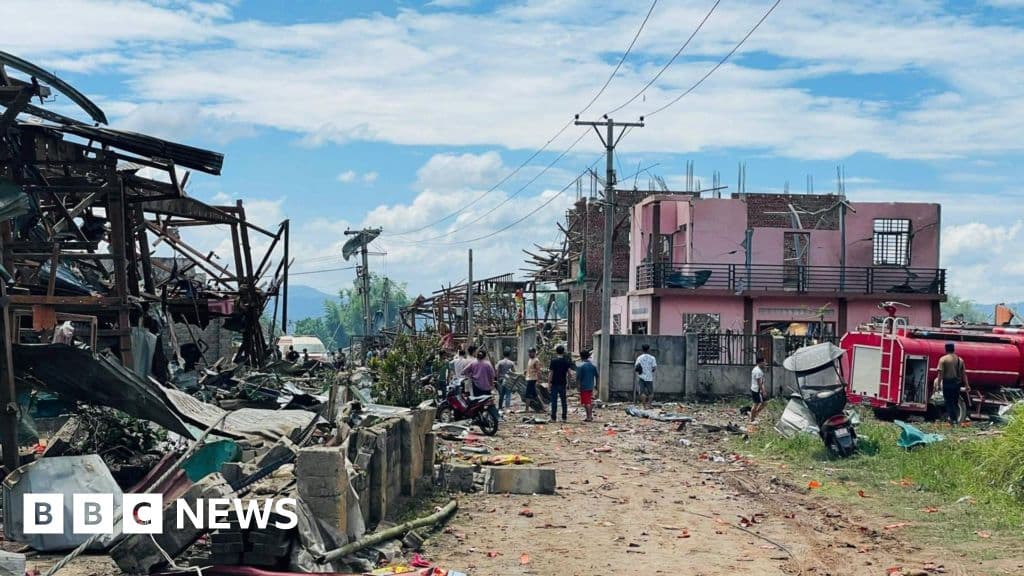
A devastating explosion in Myanmar's Kaung Tat village has killed at least 55 people, raising serious safety concerns and questions about civilian protection in conflict zones.
BBC World