
Image: BBC World
In a shocking incident, West Bank settlers forced a family to dig up their deceased father’s grave, raising serious human rights concerns. What’s next?
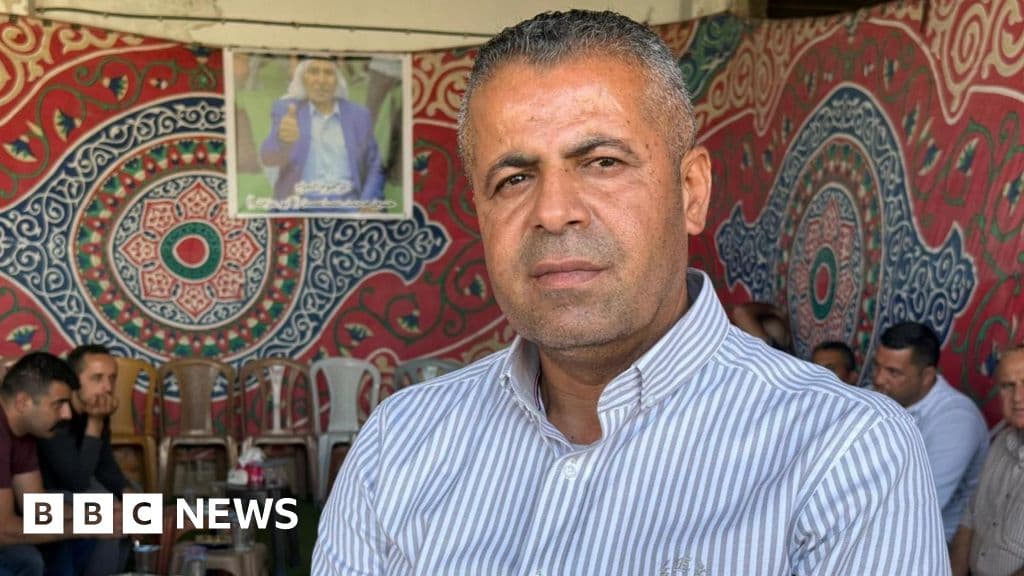
GlipzoIn a heart-wrenching incident that has sparked outrage and disbelief, Mohammed Asasa faced a horrifying moment just after burying his father, Hussein Asasa, in their village near Jenin in the West Bank. On the night of September 22, 2023, as Mohammed returned home from his father’s funeral, children rushed to him with alarming news: settlers were digging up the grave. This shocking scenario unfolded shortly after Hussein, a respected figure and father of ten, was laid to rest.
Hussein passed away at the age of 80 from natural causes, and following Islamic customs, he was buried in a simple grave on a hillside cemetery. Mohammed had even sought approval from a nearby Israeli military base to ensure a smooth funeral process, demonstrating his desire for peace amidst rising tensions. However, what transpired shortly after the burial was anything but peaceful.
Less than thirty minutes after the funeral, Mohammed and his family returned to the grave site to find armed settlers from the Sa-Nur settlement aggressively digging up the ground. Despite their efforts to negotiate, the situation escalated rapidly. Mohammed recounted the moment he realized the settlers were dangerously close to unearthing his father’s remains. "They were on the point of reaching the body," he stated, underlining the urgency and panic felt by the family.
The settlers, who claimed the burial site was too near their settlement, issued a chilling ultimatum: "Either you exhume the body or we'll do it ourselves." With no other option, Mohammed and his brothers were forced to dig up the grave themselves, a deeply humiliating act that no family should ever have to endure during their time of mourning. Mobile phone footage captured the distressing scene as the family, under duress, removed the shrouded body of their beloved patriarch.
In the aftermath, the Israeli army intervened to confiscate the settlers’ digging tools, ostensibly to prevent further conflict. However, the Asasa family accused the soldiers of passively allowing the settlers to dictate the terms of this horrific event. The Israel Defense Forces (IDF) later released a statement condemning actions that disrupt public order and respect for the deceased, yet many locals viewed this as inadequate given the gravity of the situation.
The United Nations quickly condemned the incident, with Ajith Sunghay, the local head of the Office of the High Commissioner for Human Rights, describing it as "appalling and emblematic of the dehumanization of Palestinians." His words resonate deeply, emphasizing that such acts of violence affect not just the living but also the dignity of the dead.
The shocking incident underscores the rising tensions in the region, particularly since the re-establishment of the Sa-Nur settlement. Residents of Asasa expressed their fears, stating that settlers now feel entitled to the area, exerting control over land that has long belonged to Palestinians. "They think they own the whole area now that they've moved back in,” one local lamented.
Further compounding these tensions, it has been reported that settlers and the military have increasingly encroached upon Palestinian-owned land. For instance, relatives of the Asasa family have recently faced the destruction of their olive trees by settlers and military personnel. This ongoing conflict highlights the distressing reality of life for Palestinians in these areas, where their rights and their very dignity are continually challenged.
As the situation unfolds, it raises critical questions about the future of Palestinian rights and the international community's role in addressing such violations. The reoccupation of Sa-Nur and the expansion of settlements are significant points of contention in the Israeli-Palestinian conflict, often leading to violent confrontations and increased hardship for Palestinian families. The Asasa family's ordeal is a stark reminder of the human cost of these geopolitical maneuvers.
Looking ahead, observers and human rights advocates will be closely monitoring the response from both Israeli authorities and the international community. Will there be accountability for the settlers' actions against the Asasa family? How will this incident influence the ongoing discourse around settlement policies and Palestinian rights?
The world watches as tensions continue to escalate in the West Bank, and the need for a resolution becomes ever more pressing. The Asasa family's tragedy serves as a poignant reminder of the urgent need for dialogue and respect for human dignity in a region fraught with conflict.
The events surrounding the exhumation of Hussein Asasa's remains are not just an isolated incident but a reflection of deeper issues faced by Palestinians under occupation. As the community grapples with these challenges, the hope for justice and peace remains a distant dream for many. The Asasa family's grief is compounded by the knowledge that their struggles are emblematic of a broader fight for recognition and dignity in the face of adversity.
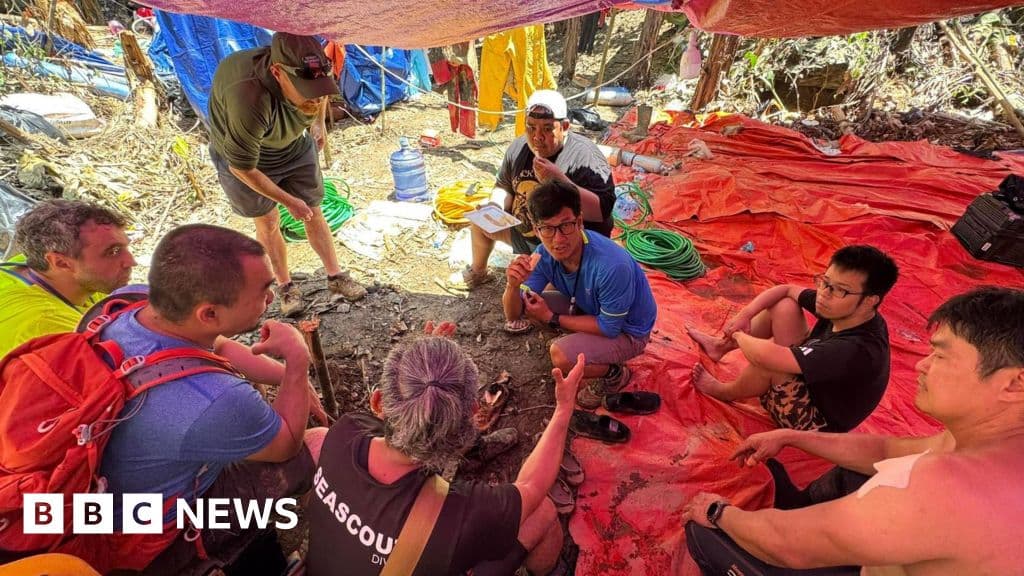
Survivors of the Laos cave rescue are aiding efforts to find the last two missing men trapped inside, sharing crucial insights for the search operation.
BBC World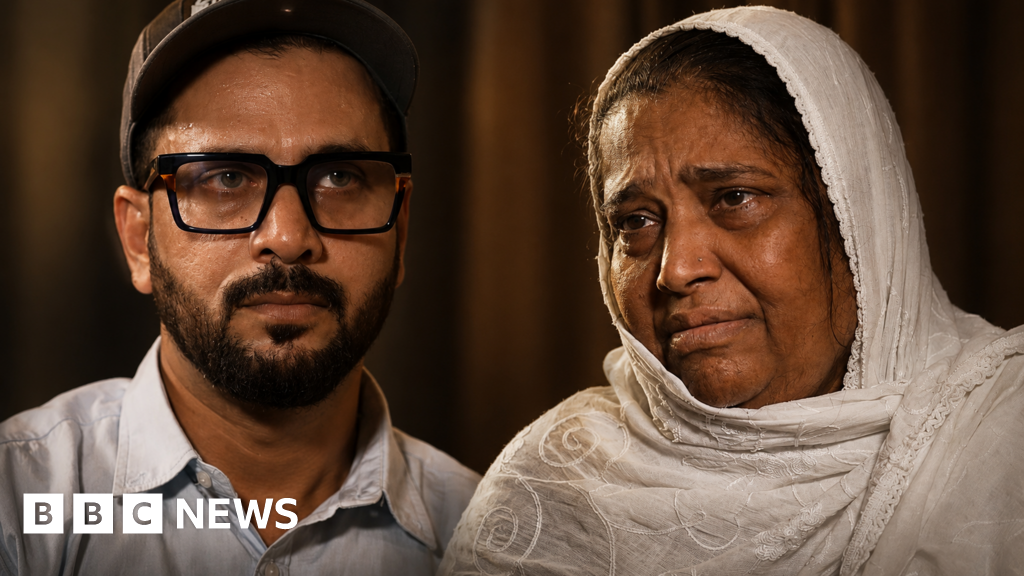
A year after the tragic Air India crash, the Ali family reflects on grief, unanswered questions, and the enduring bonds of love in the face of loss.
BBC Business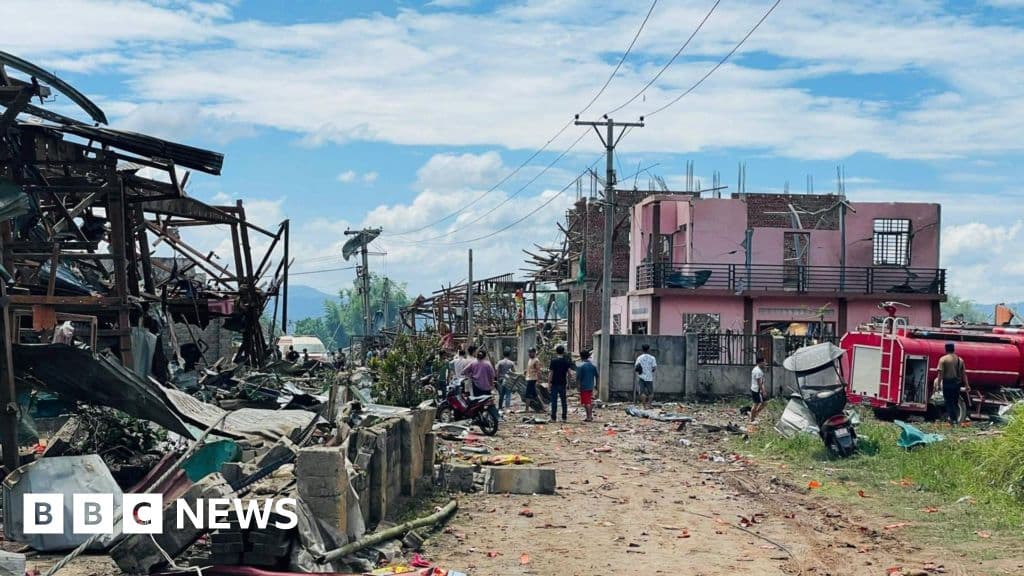
A devastating explosion in Myanmar's Kaung Tat village has killed at least 55 people, raising serious safety concerns and questions about civilian protection in conflict zones.
BBC World