
Image: BBC World
In a shocking incident, West Bank settlers forced a grieving son to exhume his father's body just hours after the burial. Discover the details of this tragic event.
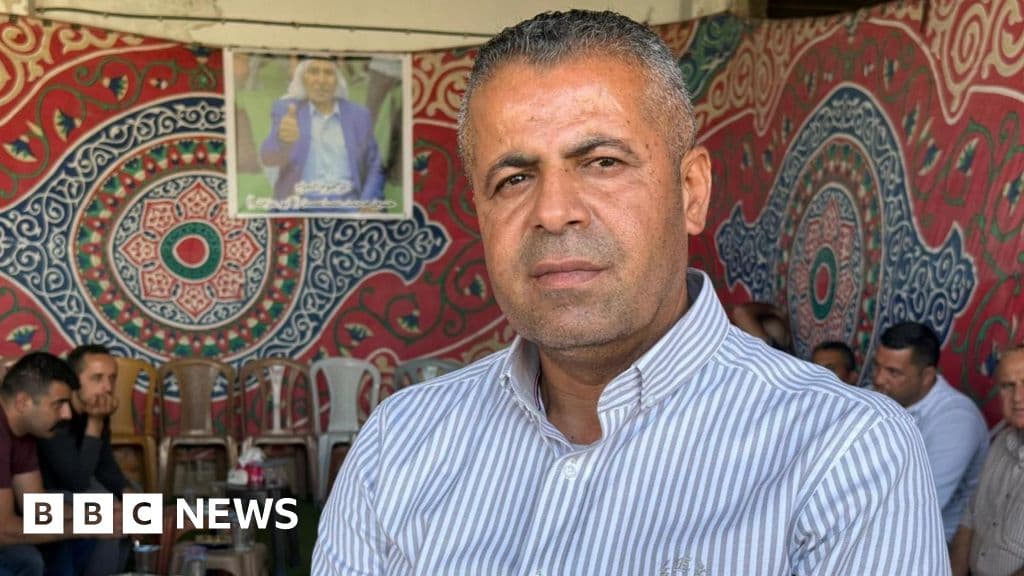
GlipzoIn a harrowing incident that has sent shockwaves through the Palestinian community, Mohammed Asasa faced an unimaginable ordeal just hours after burying his 80-year-old father, Hussein Asasa. Following the funeral on Friday, tragedy turned into horror when children from the village of Asasa near Jenin frantically alerted him, shouting, "the settlers are digging up the grave!"
Hussein, who passed away from natural causes, was a respected figure in his community and a father to ten children. Following Islamic customs, he was laid to rest in a modest grave on a hillside cemetery not far from the family home. In a bid to ensure peace, Mohammed sought permission from a nearby Israeli military base for his father's funeral.
To Mohammed's utter disbelief, barely thirty minutes after the burial, he and his brothers returned to the cemetery only to find a group of Jewish settlers, some armed, actively digging at the freshly consecrated grave. The settlers belonged to Sa-Nur, a recently reestablished settlement located on a hill above the cemetery, which has been a source of rising tensions since its return.
Mohammed described the moment, saying, "They were on the point of reaching the body. I'm sure they were about to remove it, so we had to make a decision there and then."
Faced with an untenable situation, the Asasa family was coerced into exhuming the body themselves. Video footage shows the family, under duress from armed settlers who threatened, "Either you exhume the body or we'll do it," forced to comply. The settlers claimed the burial site was too close to their settlement.
In a deeply emotional scene, Mohammed and his brothers carried their father’s shrouded body away from the cemetery, moving it down the hill to relative safety while settlers looked on. This act of desecration was compounded by the presence of the Israeli Defense Forces (IDF), who later claimed they intervened to confiscate digging tools from the settlers to prevent additional tensions.
Yet, the family felt abandoned, alleging that soldiers stood by as they were humiliated and forced to unearth their father's grave. In a statement to BBC, the IDF expressed disapproval of any actions that threaten public order or the dignity of individuals, dead or alive.
The incident has drawn widespread condemnation, with the UN human rights office calling it "appalling and emblematic of the dehumanization of Palestinians" in the Occupied Territories. Ajith Sunghay, the local head of the Office of the High Commissioner for Human Rights, remarked, "It spares no one, dead or alive."
Community members expressed their outrage, noting that this incident reflects the escalating tensions since the settlement of Sa-Nur was re-inaugurated. One mourner at Hussein Asasa's mourning tent lamented, "It's terrible; they think they own the whole area now that they've moved back in."
Relatives shared accounts of land invasions, including a recent incident where settlers and the army uprooted olive trees belonging to another family member without justification. Such actions underline the growing sense of insecurity among villagers.
Since the re-establishment of Sa-Nur, many areas around the village have been designated as a 'closed military area', effectively restricting access to olive groves, fields, and even the cemetery. Residents report that even when they coordinate access with the IDF, settlers often respond aggressively, many now openly carrying firearms.
The incident surrounding the Asasa family not only highlights an individual tragedy but also serves as a disturbing reflection of the broader tensions in the region. As the Israeli government continues to support the expansion of settlements in the West Bank, the ramifications for Palestinian communities are dire.
As the situation continues to evolve, observers are left to ponder the implications of this incident. Will there be any accountability for the settlers' actions, or will the cycle of violence and humiliation continue unabated? Community members remain on high alert, wary of further incursions into their lives and lands.
This heartbreaking episode may serve as a flashpoint, prompting international scrutiny and calls for policy changes regarding settlement activities in the West Bank. As tensions simmer, all eyes will be on the evolving dynamics between settlers, the Israeli government, and the Palestinian communities caught in the middle. The world watches, hoping for justice and a pathway to peace amid the turmoil.
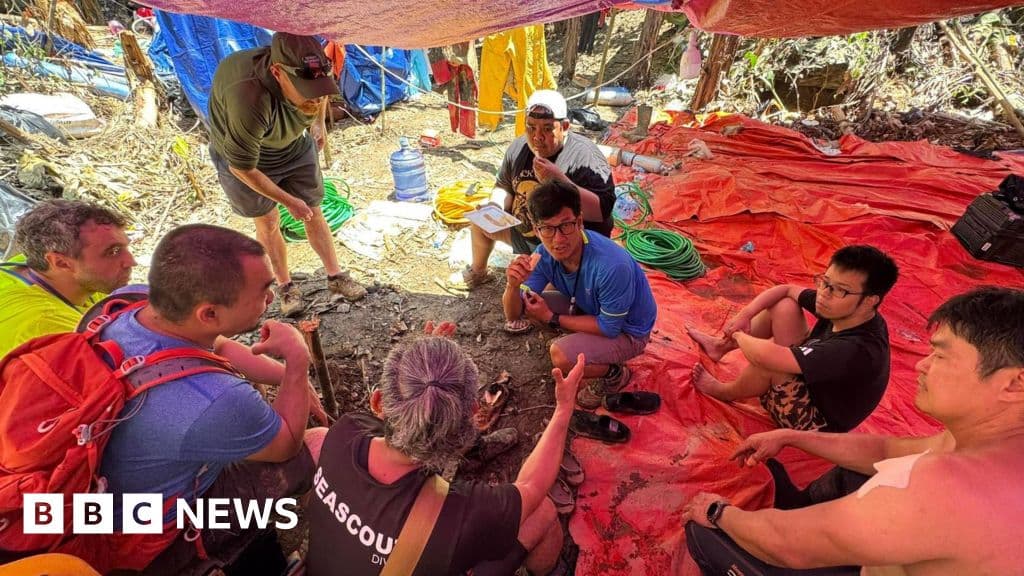
Survivors of the Laos cave rescue are aiding efforts to find the last two missing men trapped inside, sharing crucial insights for the search operation.
BBC World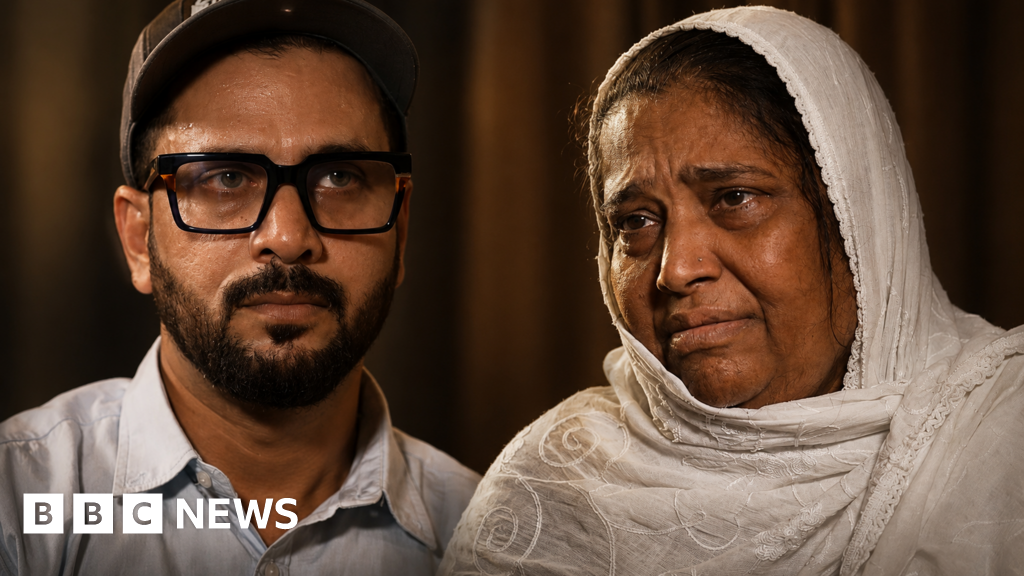
A year after the tragic Air India crash, the Ali family reflects on grief, unanswered questions, and the enduring bonds of love in the face of loss.
BBC Business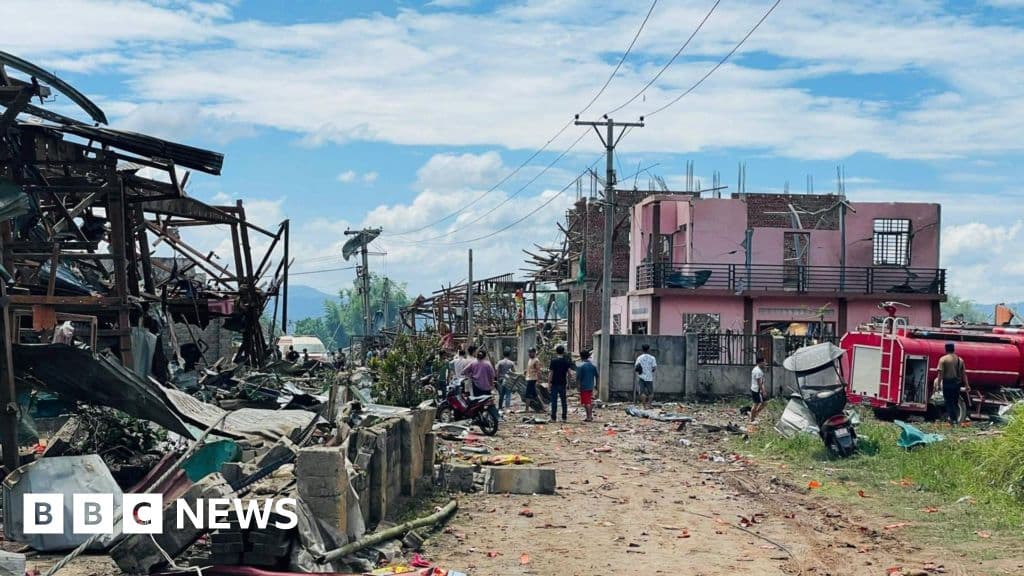
A devastating explosion in Myanmar's Kaung Tat village has killed at least 55 people, raising serious safety concerns and questions about civilian protection in conflict zones.
BBC World